Discover how Brentwood School in Essex is using sustainability to reduce long-term costs and improve campus operations. Through investment into like recycled plastic picnic tables for schools, energy efficiency, and data-led environmental initiatives, the school is proving that sustainability in schools can deliver real financial savings while supporting education and wellbeing.
Table of Contents
- A Journey Of Prioritising Sustainability In Schools
- Mark’s Path to Sustainability in Schools
- The Importance of Sustainability Roles in Schools
- Estates Sustainability Engineer: Key Duties and Responsibilities
- Empowering the School Community
- Advice for Other Schools
- Recycled Plastic Picnic Tables For Schools
- Brentwood School is using sustainability to cut long-term maintenance and operational costs.
- Estates Sustainability Engineer Mark Staggs leads data-driven environmental improvements across the school.
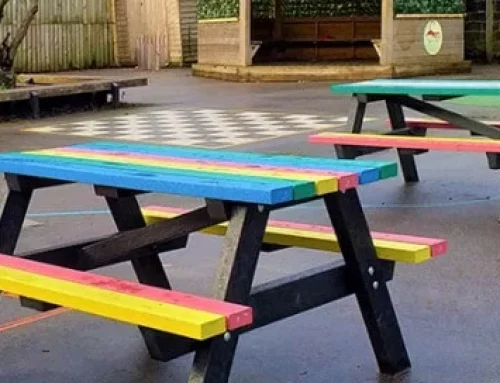
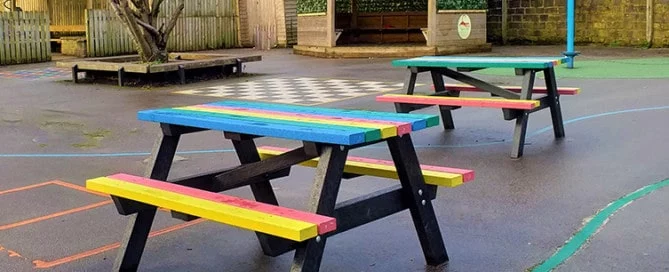
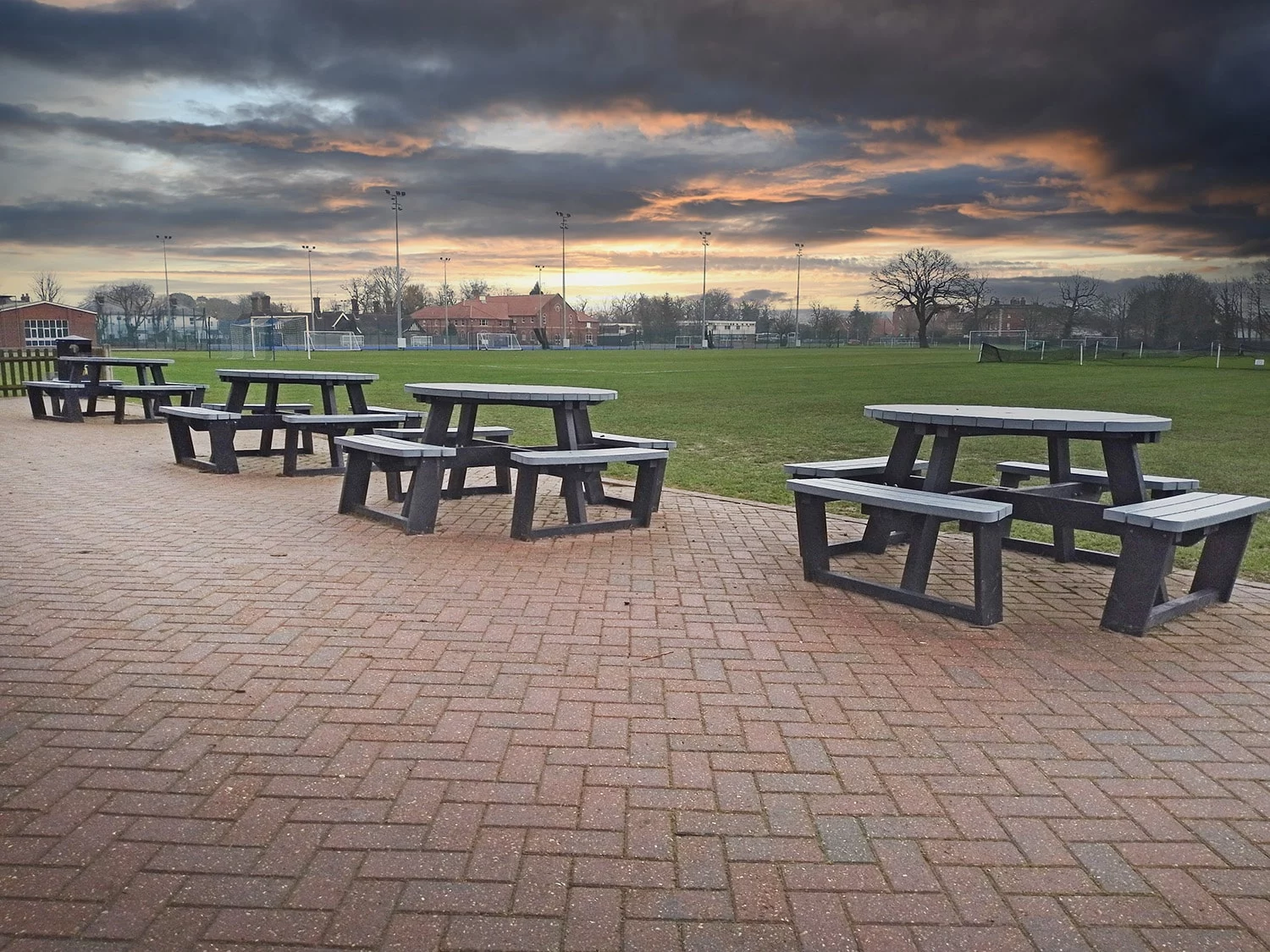
- Recycled plastic picnic tables for schools help reduce upkeep, repairs, and replacement costs.
- Investing in sustainability in schools supports both environmental goals and tighter school budgets.
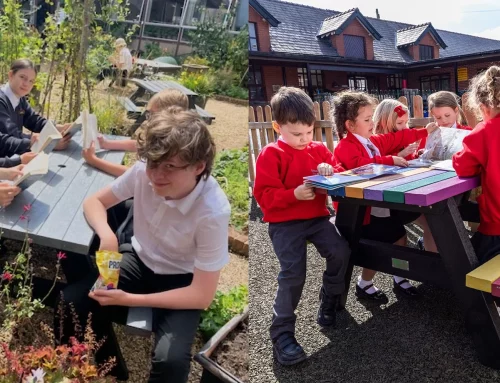
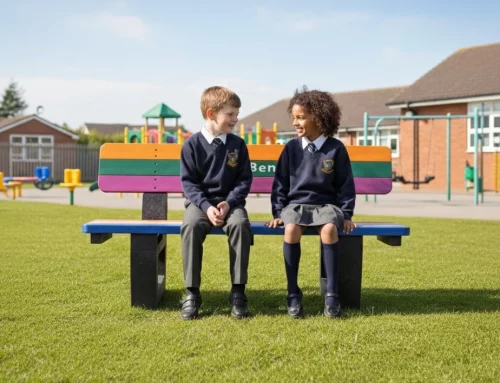
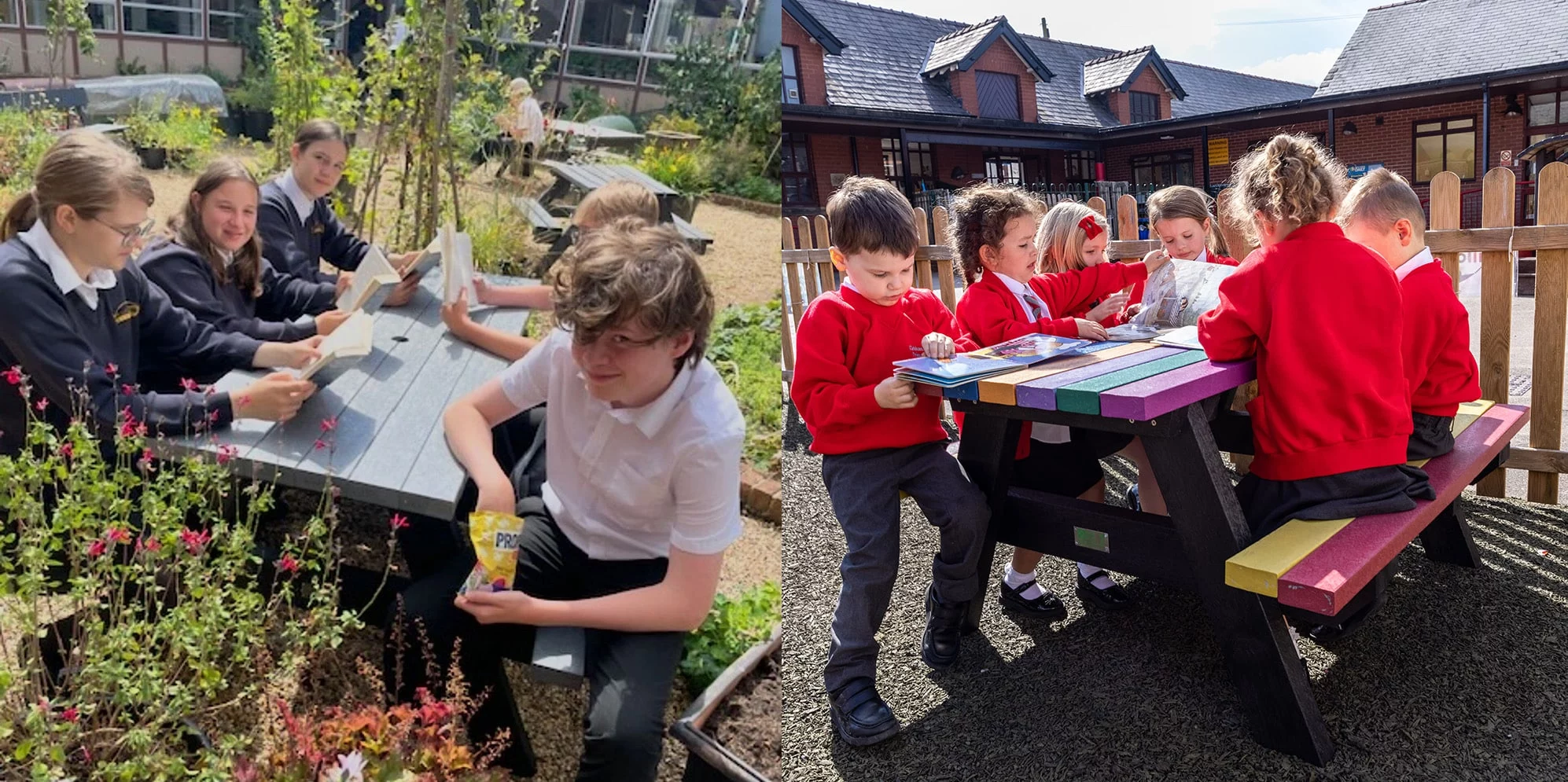
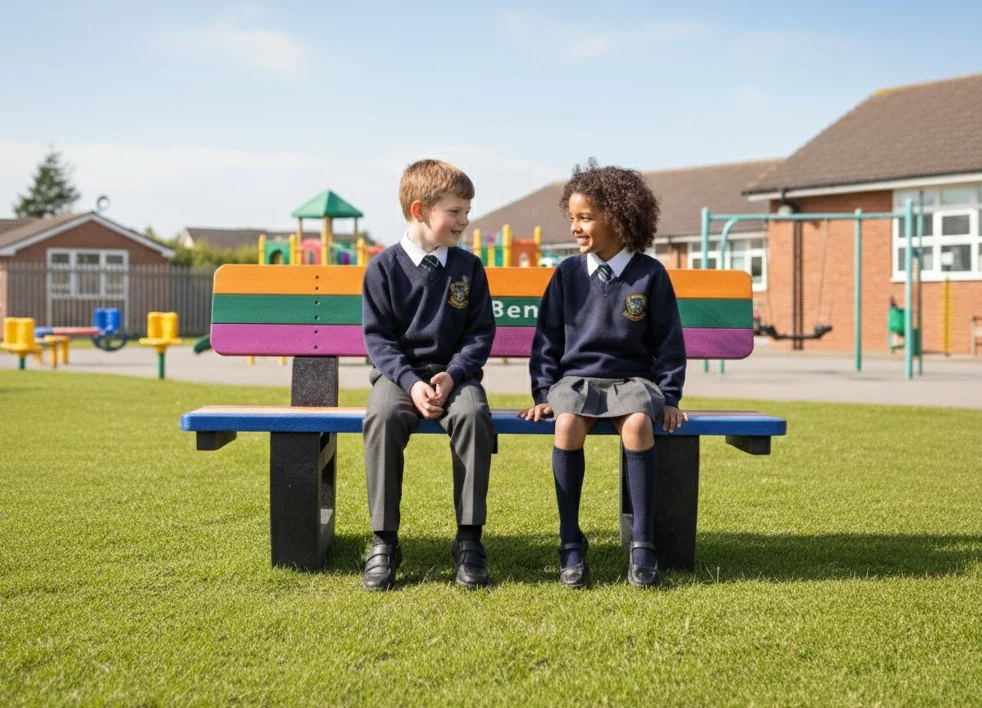
- Outdoor furniture for schools can create inclusive, durable learning environments.
- Brentwood’s approach highlights how sustainability in schools benefits both the planet and the school’s finances.
“Schools should be very keen to grasp the potential saving opportunities that sustainability can offer. Tight budgets are a constant reality, and sustainability in schools offers tangible long-term benefits that go beyond environmental responsibility. By investing in well-made, durable products and implementing sustainable practices, schools can significantly reduce maintenance costs down the line. Energy-efficient appliances, for example, may have a higher upfront cost, but they pay for themselves over time through lower energy bills. Similarly, sustainable construction materials can ensure a building’s longevity and minimise the need for frequent repairs. In essence, sustainability in schools isn’t just good for the planet, it’s good for the school’s bottom line.”
A Journey Of Prioritising Sustainability In Schools
Brentwood School, located in the beautiful county of Essex, England, has emerged as an advocate in the realm of sustainability in schools and environmental stewardship. As one of the customers of British Recycled Plastic, Brentwood School has embarked on an ambitious journey to transform its campus into a model of eco-friendly practices.
At the heart of Brentwood’s sustainability initiatives is the role of Estates Sustainability Engineer, a position recently established to spearhead the school’s green efforts. We had the opportunity to sit down with the newly appointed Estates Sustainability Engineer, Mark Staggs, to learn more about his journey and the importance of sustainability in schools. We also touched on how important it is to choose the right outdoor furniture for schools.
Mark’s Path to Sustainability in Schools
Mark’s background is unique, as he brings a diverse set of technical skills to the table. “I started with an apprenticeship as an Electrical Control Specialist, programming and maintaining robots in the manufacturing industry,” he explained. “I then transitioned to the NHS, working as an Electrical Maintenance Engineer.”
Throughout his previous roles, Mark was always on the lookout for efficiency and opportunities to improve. “In both these positions, we were constantly seeking ways to enhance our operations and reduce our environmental impact,” he said. “This experience laid the groundwork for my current role as the Estates Sustainability Engineer at Brentwood School.”
Mark elaborated on how his new position evolved: “Initially, we developed this role to provide technical support for our maintenance team. As we delved deeper, we realised that much of this role overlapped with energy-saving opportunities. This realisation prompted us to expand the scope of the position, focusing not only on energy savings but also on the broader context of waste management, environmental stewardship, recycling, water management, outdoor furniture for schools, and transportation.”
The Importance of Sustainability Roles in Schools
When asked about the significance of sustainability roles in the education sector, Mark emphasised the need for dedicated professionals to drive these initiatives forward.
“Many schools have a sustainability champion or a similar role, but these individuals are often juggling this responsibility alongside their primary duties as teachers, finance bursars, or administrators,” he explained. “This can make it challenging for them to fully dedicate the time and attention required to make a meaningful impact.”
Mark believes that having a dedicated Estates Sustainability Engineer position allows for a more focused and effective approach to sustainability.
“Schools are highly motivated to embrace sustainability, as it offers tangible savings and aligns with the growing emphasis on environmental education,” he said. “By having a role like mine, we can ensure that sustainability in schools is not just an idea, but a meaningful career path that can make a real difference.”
By buying the recycled plastic picnic tables for schools, he has been able to save on maintenance time and effort, and also costs.
Estates Sustainability Engineer: Key Duties and Responsibilities
As the Estates Sustainability Engineer at Brentwood School, Mark’s primary focus is on gathering and analysing data to drive informed decision-making. “Data is key,” he stressed. “It’s easy to make claims about potential savings, but being able to demonstrate tangible results is what really captures people’s attention and sparks further investment.”
Mark plans to leverage these data-driven insights to prioritise and implement a range of sustainability initiatives. “I’ll be assessing our current practices, identifying areas for improvement, and then using the savings generated to reinvest in natural environments, student and staff well-being, and, most importantly, education,” he said.
Empowering the School Community
Mark believes that engaging the entire school community is crucial to the success of Brentwood’s sustainability efforts. “I’ve found that there are many people already contributing to sustainability in schools, but their efforts may not be celebrated or amplified,” he said.
“By giving these ideas and actions a voice and recognising the contributions of students and staff, we can spark even more new ideas and encourage greater involvement.”
Advice for Other Schools
Drawing on his early experiences in the role, Mark offers valuable advice for others looking to establish or enhance sustainability in schools.
“Start by gathering data and establishing a baseline. This will enable you to measure the impact of your initiatives and secure buy-in from stakeholders,” he said.
Mark also emphasises the importance of collaboration and community engagement. “A school is the perfect environment to harness the collective knowledge and innovation of students, staff, and the wider community,” he explained. “Tap into this valuable resource and empower everyone to contribute to the sustainability journey.”
As Brentwood School continues its path towards a greener future, the partnership with British Recycled Plastic and the dedicated efforts of the Estates Sustainability Engineer, Mark Staggs, will undoubtedly serve as a model for other educational institutions seeking to make a lasting impact on the environment.
Recycled Plastic Picnic Tables For Schools
Email: [email protected]
or give us a call on
01422 419 555
Let’s work together to create a greener, more sustainable future for our schools and communities.
Written by the British Recycled Plastic team.
Updated May 2026
Absolutely. When planted with carbon-absorbing species, our planters make excellent smog shields, particularly at school gates and urban spaces.
British Recycled Plastic benches are maintenance free and come with a 25 year guarantee making them a top choice for outdoor seating. Their advantages include:
- Durability: Resistant to rot, rust, splinters, and insect damage, these benches withstand harsh weather conditions, ensuring long-lasting performance.
- Low Maintenance: Unlike wood or metal, recycled plastic benches require no painting, staining, or regular upkeep. A simple wash keeps them looking like new.
- Sustainable: Made from 100% recycled materials, these benches reduce plastic waste, promote sustainability, and minimise environmental impact.
- Weather Resistance: Recycled plastic benches are impervious to water and UV rays, so they won’t fade, warp, or crack over time.
- Cost-Effective: Their durability and minimal maintenance make recycled plastic benches them a more economical choice in the long erm.
- Safe and Comfortable: Splinter-free and smooth, these benches are safe for all users, including children and pets.
- Aesthetic Versatility: Available in a range of styles and colours, British Recycled Plastic benches can suit any outdoor environment, from parks and schools to gardens and memorial sites.
- Customisable: recycled plastic benches can be personalised with plaques, engravings, or logos, making them ideal for memorials or branding.
Why Buy from British Recycled Plastic?
Choosing British Recycled Plastic means you’re supported every step of the way. Our friendly and knowledgeable customer support team is available five days a week to help you choose the perfect bench for your needs. Whether it’s advice on styles, sizes, or customisation options, we’re here to assist. By buying from British Recycled Plastic, you’re not just investing in high-quality, sustainable furniture—you’re also backed by exceptional customer care that ensures your experience is seamless and satisfying.