
Artificial lumber, also known as recycled plastic lumber, is a durable and sustainable alternative to traditional wood. Designed to look and feel like timber while offering far greater resistance to British weather, it provides a long-lasting solution for outdoor environments. Widely used across the UK in public spaces, schools, parks and coastal areas, plastic lumber requires minimal maintenance and can withstand harsh conditions without cracking, splintering or degrading. Read on to understand more about why plastic wood is the perfect choice for so many different projects.
Table of Contents
- Recycled plastic lumber is a durable, low-maintenance alternative to wood made from 100% British waste plastic.
- Unlike timber, it won’t rot, splinter, crack, absorb water, or require regular treatment.
- It’s commonly used for fencing, boardwalks, decking, playgrounds, raised beds, signage, and footbridges.
- Graffiti is easier to remove thanks to its non-porous surface.
- Recycled plastic lumber is weather-resistant, long-lasting, and backed by a 25-year guarantee.
- Although it costs more upfront than wood, it saves money over time through reduced maintenance and replacement costs.
- British Recycled Plastic supplies sustainable artificial lumber products for schools, councils, parks, and public spaces across the UK.
British Recycled Plastic lumber is a durable and sustainable material made from 100% British waste plastic. The plastic has already had a life, perhaps as a drinks bottle, packaging, or even a car bumper.
Instead of being sent to landfill or incineration, it’s processed, cleaned, sorted, and then formed into timber-like planks or furniture using extrusion or injection moulding methods.
The result is a material that looks and feels like wood, but performs far better outdoors — particularly in climates where timber is prone to decay.
Plastic Lumber vs Wood
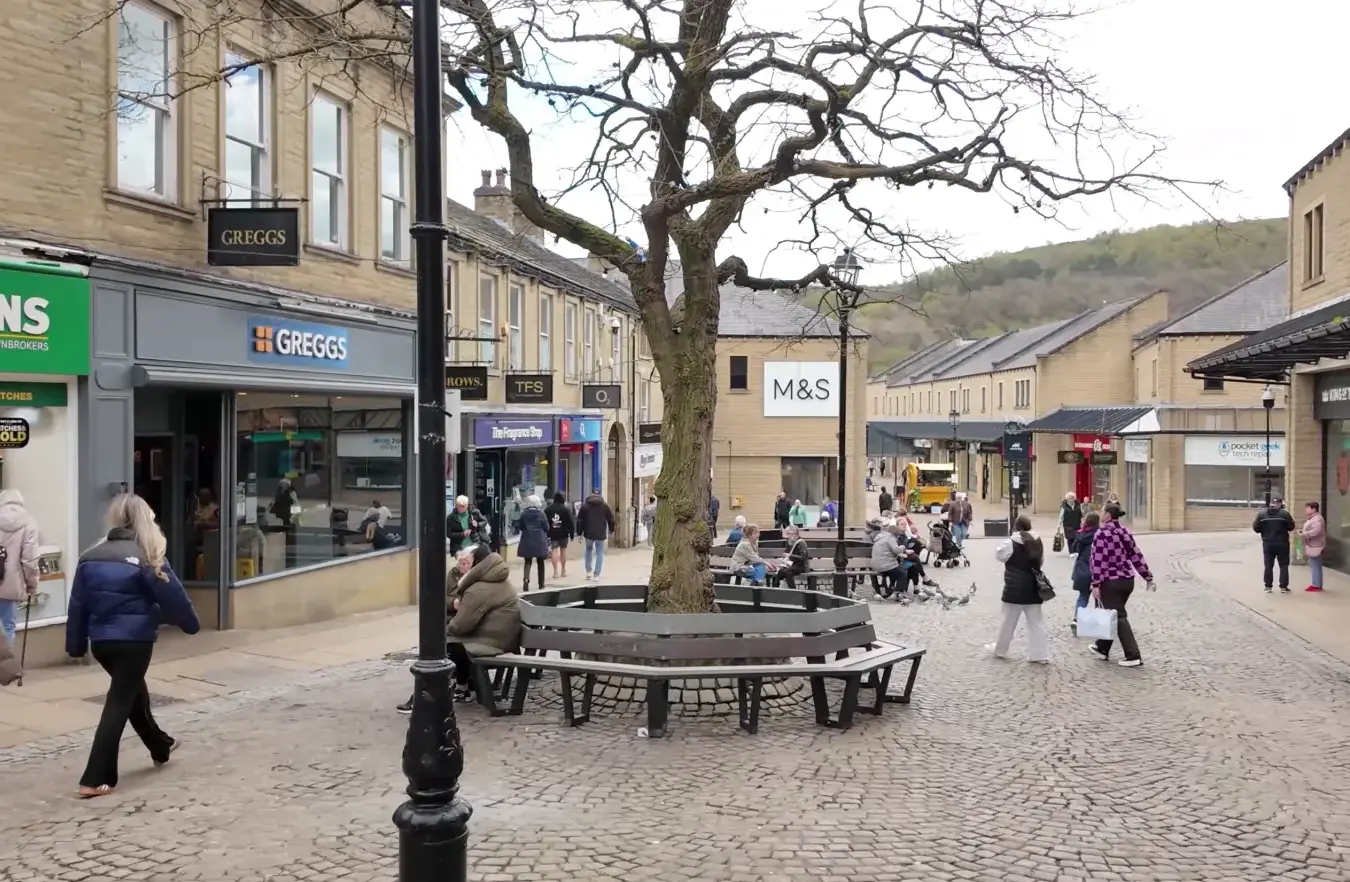
For public spaces, damage and deterioration are common issues – especially when using traditional wooden fences, benches and barriers.

One of the biggest advantages of using plastic wood is how simple it is to maintain.
Unlike wood, artificial lumber is non-porous; it won’t soak up water or provide a home for mould – keeping it looking fresher for longer. Animals such as horses, squirrels, or rodents often are able to chew through wooden fixtures, which can cause significant damage, while our plastic lumber is much less appealing.
A quick jet wash, or a scrub with soapy water and our artificial lumber looks as good as new.
Goodbye to graffiti
Due to the non-porous material, paint and graffiti aren’t absorbed into plastic lumber in the same way as they are on wood. This means it can quickly be removed.
British Recycled Plastic lumber doesn’t chip, splinter, crack, rot or degrade. And we’re so sure about its quality, all our products comes with a 25-year guarantee.
Where Is Plastic Lumber Used?
Artificial lumber is now widely used across the UK, both in public spaces and commercial settings. It’s strong, safe and weather-resistant, making it an ideal choice for reducing recurring material and labour costs that come with traditional wood products.
Below are just a few ways British Recycled Plastic lumber is being used across the country.
Recycled Plastic Lumber Fencing
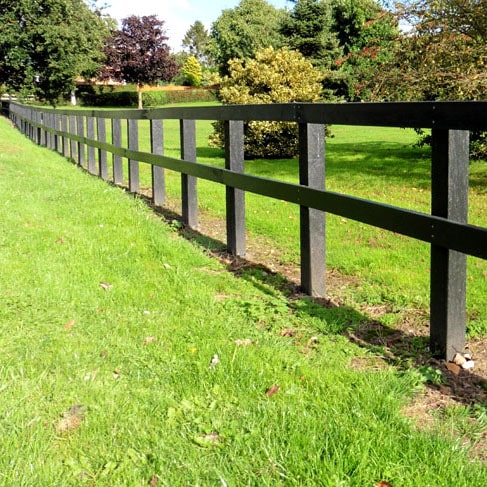
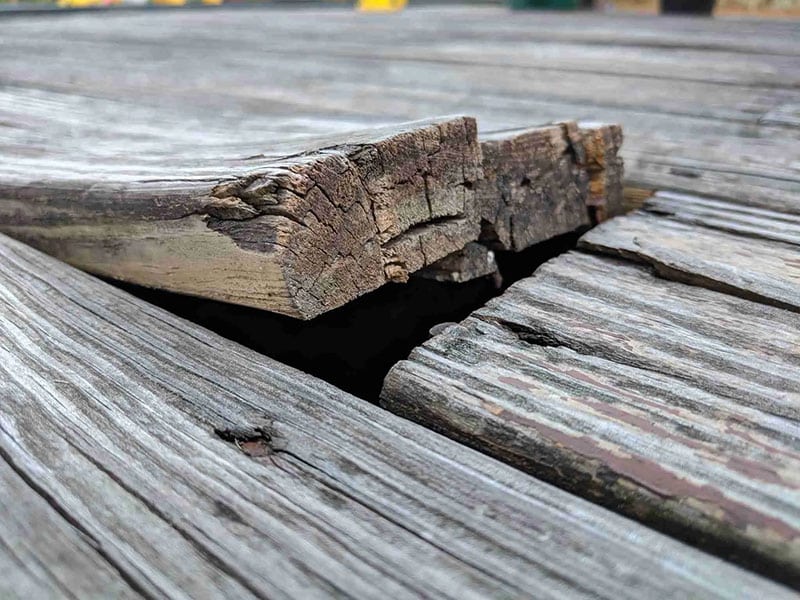
Timber fencing ages quickly, especially when posts are set into damp ground.
Recycled plastic fencing offers a solid alternative that’s simple to install and remains stable over time. It’s widely used for schools, parks and walkways. With no chemical upkeep needed, it’s also a great choice for wildlife reserves and equestrian centres where durability is key without contamination soaking into the land.
Artificial Lumber Boardwalks and Walkways
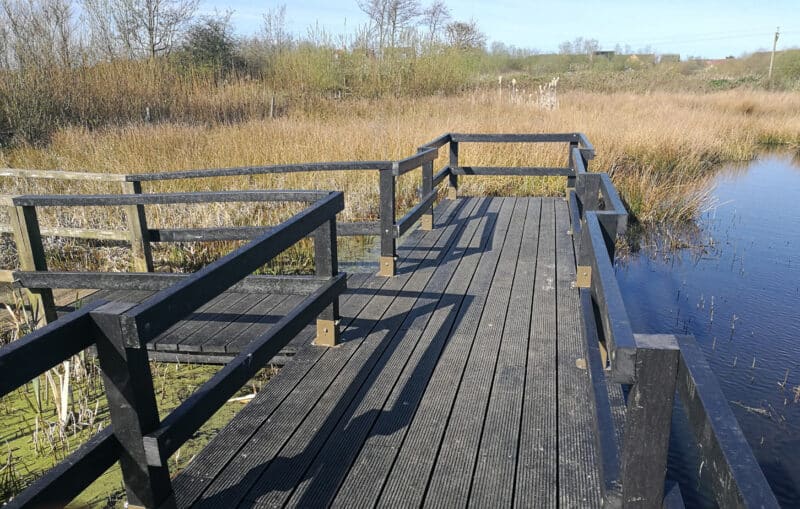
Recycled plastic lumber is ideal for high footfall areas such as access paths and viewing platforms at heritage venues, beaches or nature reserves. It stays clean and stable year after year through sea air, rainy seasons and muddy boots.
Coastal environments are particularly harsh on traditional materials. Salt spray, sand, and constant moisture exposure can shorten the lifespan of even treated wood. Recycled plastic stays strong through it all, and its natural resistance to mould and algae means it isn’t slippery or dangerous underfoot.
Artificial Lumber for Playgrounds and Schoolyards
In play areas, safety and longevity are key.
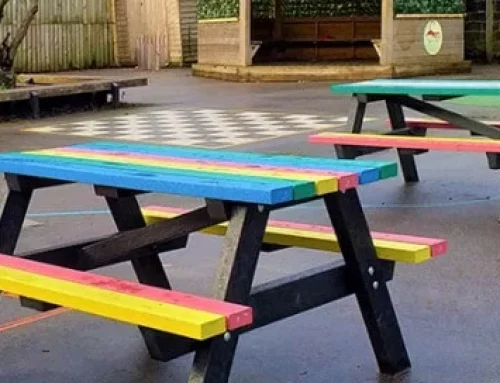
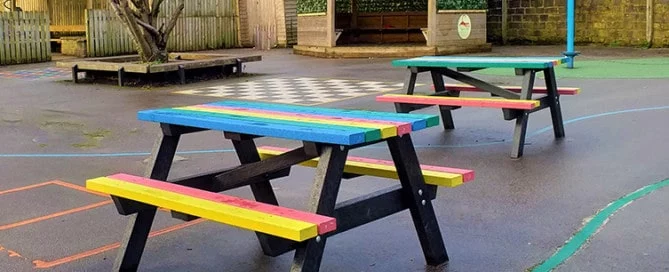
Our artificial lumber is commonly used for edging, fencing, decking, and outdoor classroom spaces. It doesn’t splinter, warp, or degrade, so children can play safely without leaving school staff responsible for expensive, recurring repair work.
Plastic Wood Raised Beds and Planters
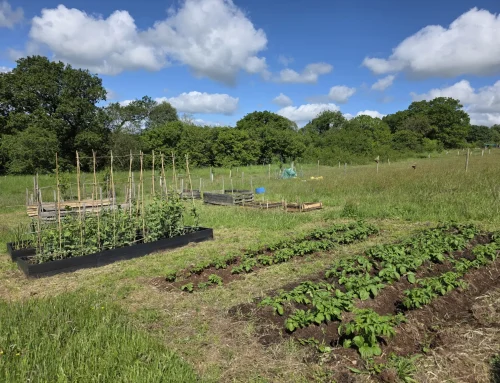
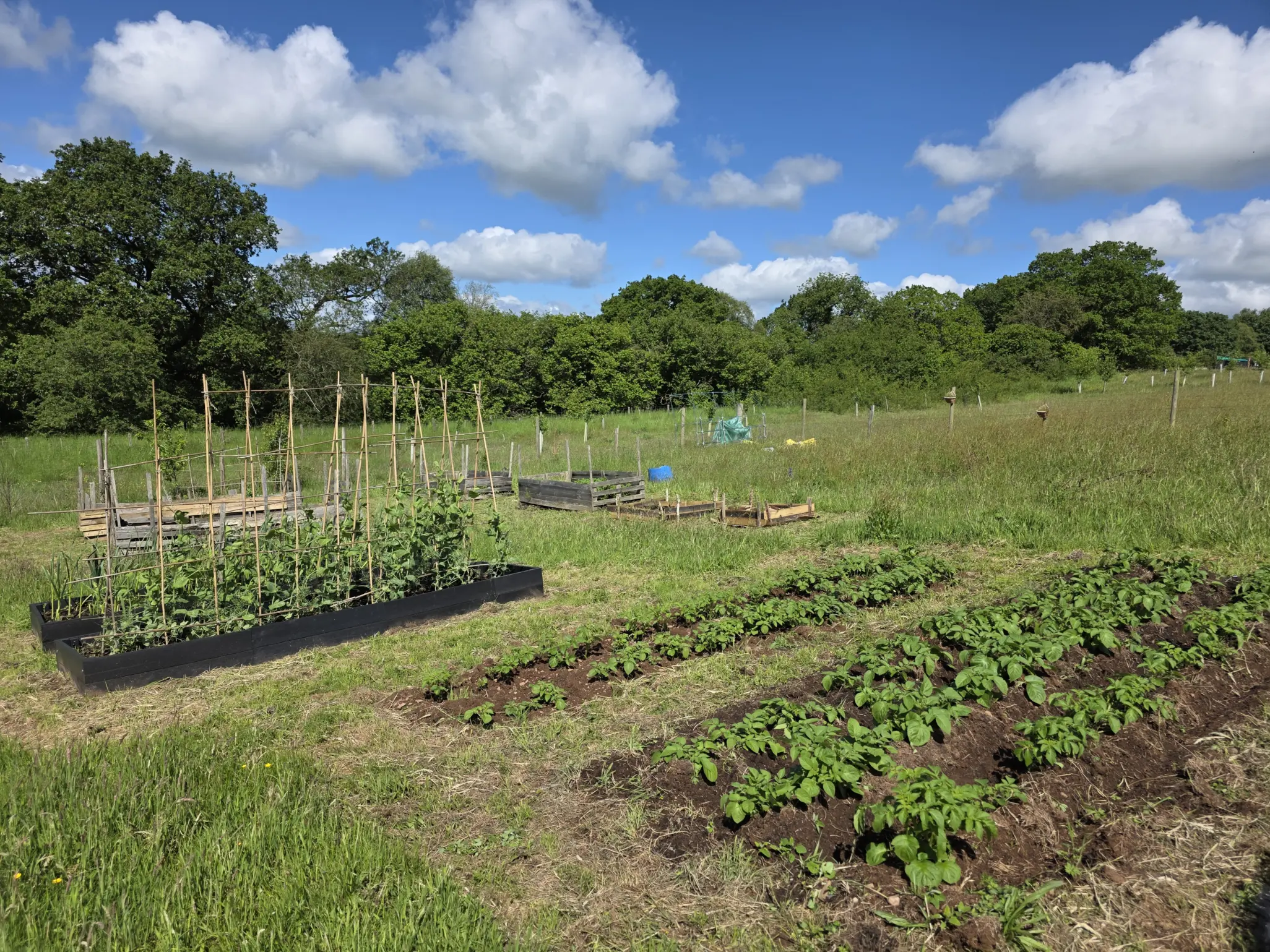
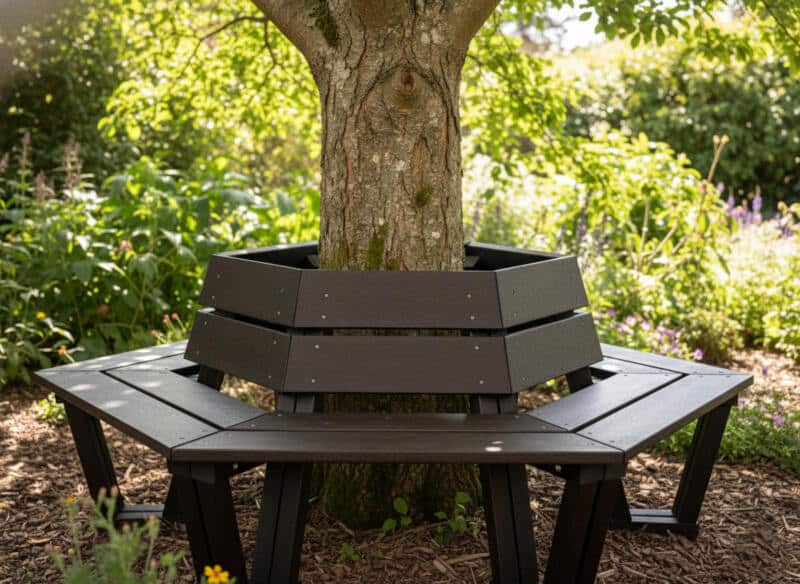
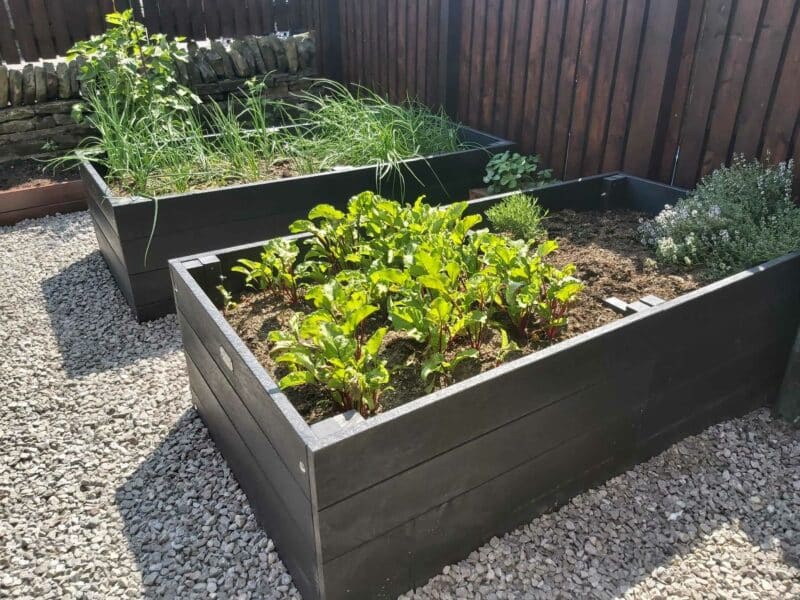
Another use for our plastic lumber is public gardens, community allotments, and urban greening projects. Our ever-popular raised beds are maintenance-free and are perfect for ensuring moisture and warmth stay in the soil itself for better growing.
Recycled Plastic Lumber Decks and Footbridges
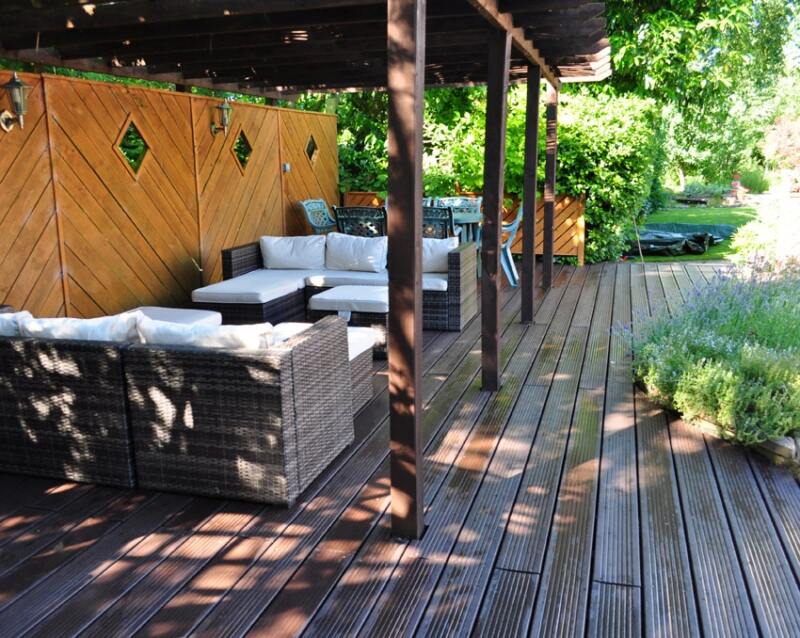
Recycled plastic decking boards are grippy, slip-resistant and won’t crack or become slimy like timber often does.
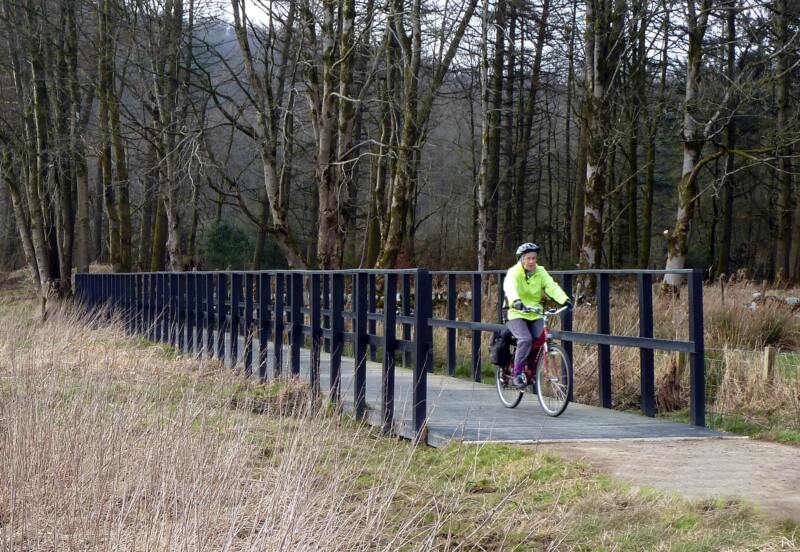
Small bridges and overpasses can also be built with recycled plastic components, providing a strong structure that lasts longer in British weather — no need for treatment or frequent checks for rot.
Signage and Plastic Lumber Trail Posts
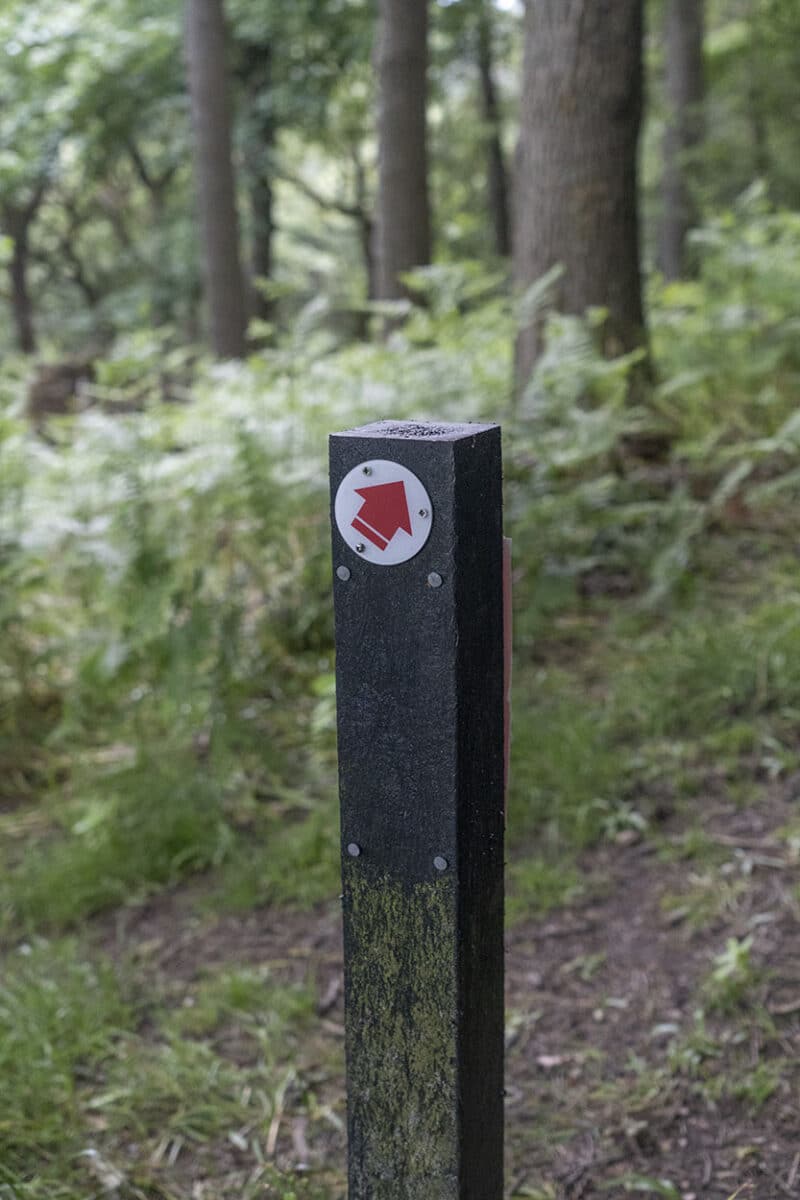
Signage often goes unnoticed until it begins to deteriorate. With recycled plastic posts and boards, signs remain straight, clear, neat and secure for years. Signs can be engraved directly into the material or mounted with plaques that stay easy to read.
For countryside paths and heritage trails, this ensures long-term clarity without the need to keep replacing fading wooden boards.
Roofing Applications
Recycled plastic lumber is now being explored in more specialist construction uses, too.
One roofing contractor recently told us:
“We haven’t often seen recycled plastic used in roof construction, but we’re looking to avoid the rot that can often compromise roof integrity in the long term. These plastic battens should never need replacing and whilst the initial cost is a little higher than wood, the long-term savings and increased reliability easily justify the cost.”
The Benefits of Using Artificial Lumber
The appeal of recycled plastic lumber is clear. It has a long lifespan, requires minimal upkeep, and is a sustainable use of British waste plastic.
While upfront costs may be higher than those of untreated timber, the reduced need for repairs, replacements, and ongoing maintenance makes it a financially practical choice over time.
It’s a circular, resource-conscious approach — turning waste into long-lasting products that support parks, schools, and public infrastructures across the UK.
Artificial Lumber Suppliers: How British Recycled Plastics Can Help
British Recycled Plastic supplies a wide range of artificial lumber profiles, including:
- Rectangular
- Square
- Decking and edging
- Fence posts
We aim to make any project simple by providing:
- Quick quotes and expert project support
- Installation and handling tips
- Case studies
- FAQ videos
- Boardwalk calculator
Request a quote for your project or speak to the British Recycled Plastic team on 01422 419 555.
Written by The British Recycled Plastic Team
British Recycled Plastic supplies long-lasting, maintenance-free outdoor products including recycled plastic fencing, benches, picnic tables and artificial lumber. We work with UK councils, parks departments, schools and contractors to deliver sustainable solutions designed for public spaces.
Updated May 2026
You don’t need to paint plastic lumber. Our recycled plastic lumber is available in a range of colours, reducing the need for painting or finishing. While it is technically possible to paint recycled plastic, the material has a non-porous surface, meaning paint does not adhere well and is likely to peel or flake over time.
British Recycled Plastic lumber is designed to retain its colour and appearance without painting, staining, or sealing. With built-in UV resistance and long-term durability, recycled plastic lumber maintains its look for years, making it a low-maintenance alternative to traditional timber.
Recycled plastic lumber is a long-lasting, low-maintenance alternative to traditional timber, manufactured from 100% recycled plastic materials. Designed for durability, it resists rot, moisture, insects, and weather damage, making it ideal for outdoor uses such as decking, fencing, garden furniture, and landscaping structures. Unlike wood, recycled plastic lumber does not require painting, staining, or ongoing treatment, reducing both maintenance costs and labour over time.
As a sustainable building material, British Recycled Plastic’s goal is to help divert waste from landfills and support a circular economy, transforming used plastics into high-performance construction products. It offers the natural appearance of wood while delivering superior longevity, making it a practical and environmentally responsible choice for residential, commercial, and public space projects.
The best fixings for plastic lumber, and the only fixings we recommend at British Recycled Plastic, are stainless steel bolts and screws. Whether that’s for boardwalks, platforms or anything else. Nails, staples and other fixings won’t bite into the material, correcting and will quickly need replacing.
We advise against burying a screwing plastic lumber directly because stainless steel screws are relatively soft for the extremely dense plastic. Driving a screw straight in without a pilot hole could cause the screw to strip, snap or bind too tightly, making it difficult to remove later down the line. A simple pilot hole removes this risk, making installation far easier.
How To Properly Size A Pilot Hole
When you drill plastic lumber, the pilot hole should match the diameter of the screw shank – not the thread. This ensures the screw goes in smoothly without excessive force and provides a clean and consistent result every time.
You can find out more detailed information on cutting, drilling and screwing plastic lumber in our British Recycled Plastic guide.
Yes, British Recycled Plastic can cut your material to your specified sizes for a small charge (see price list).
Recycled Plastic and Composite materials typically combine different elements, like wood fibres and plastics, for enhanced strength and durability. However, due to their composition, composites can’t be easily recycled. On the other hand, recycled plastic, like that from British Recycled Plastic, originates solely from reused plastic, making it fully recyclable and a more sustainable choice. It lasts longer, offers eco-friendly benefits, and can be continually recycled, minimizing environmental impact. Choose British Recycled Plastic for durable, sustainable solutions that make a lasting difference.
British Recycled Plastic is made from 100% uk plastic waste.
Our recycled plastic is made with a wide variety of plastic waste products from industrial, commercial, agricultural and domestic sources. These materials are shredded, melted and mixed together to create our incredibly strong plastic lumber.
The most common plastic types used are High Density Polyethylene, Low Density Polyethylene, Polypropylene and Polythene. These are all members of the Polyolefin family, so mix well together at the same temperature.
These materials form 99% of the content. They are mixed with 1% masterbatch, for colour control, which is also made from entirely recycled material.
Recycled plastic lumber is a sustainable alternative to timber is is typically just as strong, if not stronger than wood. It is widely used in applications where timber would traditionally be used however, due to its dense, non-porous composition, it is longer-lasting and low maintenance. Unlike wood, British Recycled Plastic lumber won’t rot, splinter, split or warp.