Recycled Plastic Raised Bed Kits
Recycled plastic raised bed kits in a variety of sizes and heights all with a 25-year guarantee. Free UK Mainland Shipping.
Shop Raised Bed Kits
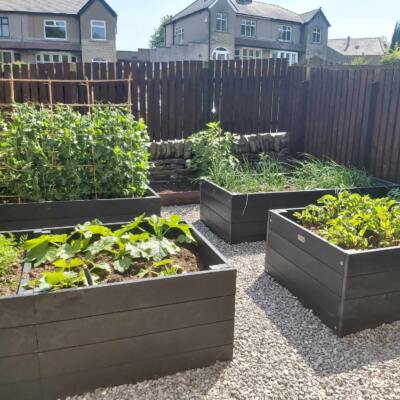
British Recycled Plastic raised bed kits are flat packed and offer a sustainable solution for any garden. Made from chemically inert materials, they won’t degrade, rot, or require harmful preservatives, ensuring no leaching into the soil.
Our raised garden beds come in 3 heights, 2 widths and a range of lengths, so you can find the perfect fit for your space.
-
Shop Raised Bed Kits

Recycled Plastic Raised Bed Kits
From £269.75 Ex. VATView sizes & colours This product has multiple variants. The options may be chosen on the product page Details Quick View
Need something more specific? You’re welcome to purchase lumber from us to build your own — though please note we don’t offer a bespoke design service.
Claim Your Free Sample
Request A Quote




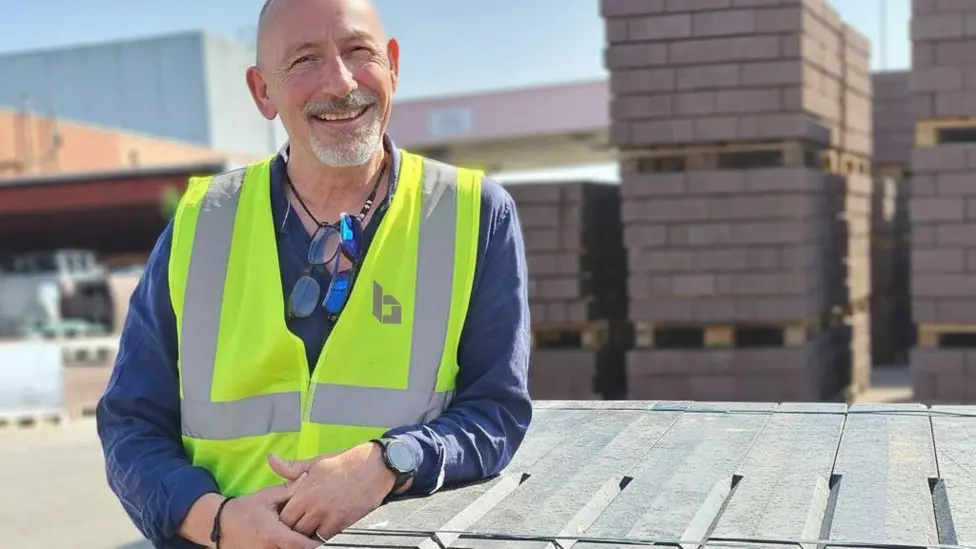
*As featured on BBC news! Read the online article here.
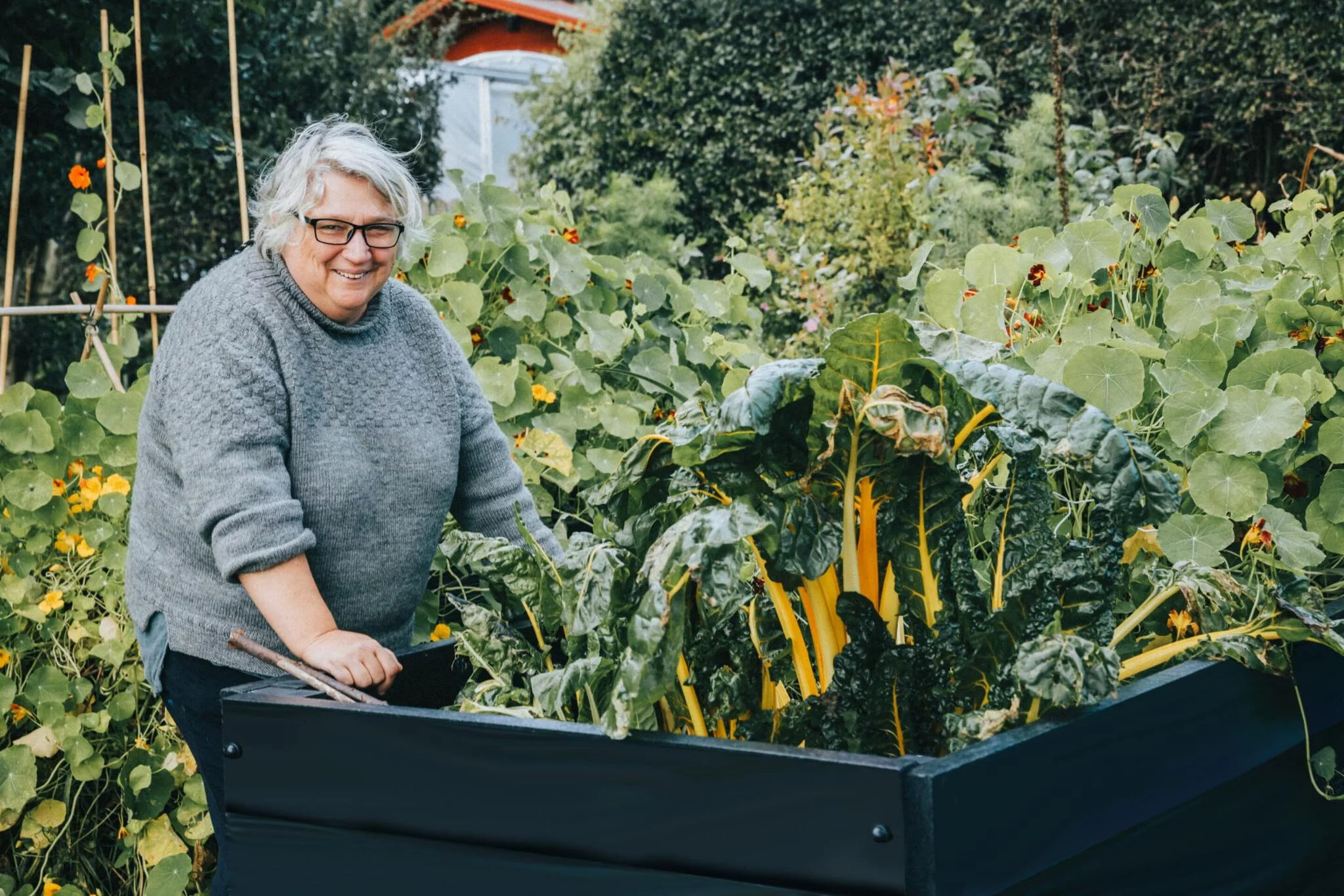
“We’ve had the new beds for about two years now, and the feedback from the members is that they are really sturdy. The weeds are not growing in between and it’s much easier to maintain.
Another thing that is really good about plastic versus natural materials like wood is the fact that obviously it’s plastic. You can’t get any mould growing in it. You’re not gonna get a lot of green algae or any kind of slippery stuff. Often when you use wood and you’re in West Yorkshire where it’s raining a lot, for example, wood gets really slippery.
Also another thing that a lot of people don’t think about is the temperature of the soil. Our growing season seems to be shorter and shorter, so the additional heat that the plastic takes from the sun in early spring actually warms the soil up to get a lot more warmth a lot earlier because of the black colour attracting the heat.”
How to Assemble a Raised Bed
Watch Our Raised Bed Kit Customer Videos
“We chose BRP for the environmental benefits of using recycled materials, and because recycled plastic raised beds will last much longer. They are very easy to assemble – it’s a good design, and the beds look great in the garden planted up.They look very plush in place with the rest of the garden finished – everyone is very happy with them!”
Raised Bed Case Studies


British Recyled Plastic Raised Bed Kits FAQ’s
Can British Recycled Plastic lumber / fencing be worked like wood?
Recycled plastic works like wood in most scenarios, but how you work with the material differs and factors such as thermal expansion need to be considered. Its crucial that you follow our technical Guidance on our Lumber Page.
For example, we would never recommend stapling, nailing or welding plastic lumber. At British Recycled Plastic, we always suggest pre-drilling holes and using mechanical fixings.
How long does British Recycled Plastic delivery take?
All of British Recycled Plastic products are made to order so under normal circumstances please allow up to three weeks for delivery. On rare occasions at extremely busy times, delivery may take a little longer, but we will let you know when you order if this looks likely.
Is the delivery included in British Recycled Plastic raised beds?
Delivery to most of mainland Britain is included; however, there is a small additional charge for the Highlands, Islands and Northern Ireland, depending upon your postcode. Please contact us for specific prices if you are in one of these areas.
How are British Recycled Plastic Raised Beds shipped out?
Due to the very heavy weight of these and all of our other products, they are sent out strapped to pallets through the national road haulage network. Due to the kit form, even 3.5 metre long raised beds are stacked on individual pallets, making them suitable for relatively small delivery vehicles that can in turn access narrow lanes.
Can I buy British Recycled Plastic Raised Bed Kits from garden centres?
No, they are only available direct from us. Please email your enquiries to info@britishrecycledplastic.co.uk or call us on our freephone number of 01422 419 555 and let our expert team know what you’re interested in and where you are. We are available 5 days a week.
Do I need to buy a kit, or can I make my own by just buying the lumber?
You can do either. If you have specific dimensions you wish to fill, you may prefer to buy full lengths and cut them to your exact requirements, saving a little money in the process. If you want something easy to assemble, pre-cut and with fixings supplied, a flat-packed kit is probably best for you.
Can I get a raised bed in a custom size?
Yes. Our standard kits cover a range of widths and lengths, but if you have a specific space to fill, we can cut recycled plastic lumber to your exact dimensions. This is particularly useful for allotment plots, school gardens or awkward-shaped spaces.
For a custom build, you’d source your own fixings — but we can advise on what to use and how to approach the build. Contact us on 01422 419 555 or email info@britishrecycledplastic.co.uk with your measurements.
Do I need to line my raised bed?
No lining is needed if you’re placing the bed on soil or grass — this is the most common situation and the easiest setup. Worms will enter naturally from below, which actively helps break down organic matter and improves soil health. If you have persistent weeds, placing the bed on a double layer of cardboard underneath the soil will suppress them as you get started (the cardboard breaks down naturally over time).
If you’re placing the bed on a hard surface such as paving or concrete, lay a 5–10cm base layer of grit or gravel at the bottom for drainage, then fill with growing medium above that. A weed-suppressing membrane between the grit and soil is optional but helps keep the two layers separate.
Do not line the inside walls or base with impermeable plastic sheeting — this will prevent drainage and can cause waterlogging.
Will the recycled plastic raised beds leach any preservatives into the soil?
Not at all.
One of the most common questions we’re asked is about leaching — especially when people are growing food. It’s a fair concern. If we care about soil health, we need confidence in the materials that surround it.
Independent laboratory testing under EU soil and groundwater regulations assessed the material for heavy metals, PAHs, PCBs and mineral oil hydrocarbons. The results were either extremely low or below detectable levels, all comfortably within strict environmental limits, including standards applied to soils used on children’s playgrounds
What this reinforces for us is that when flexible plastic waste is transformed into a dense, rigid, long-life structure, its environmental behaviour changes. It is no longer subject to constant abrasion or movement. Instead, it becomes stable infrastructure designed to remain in place for decades — keeping existing material safely in circulation rather than allowing it to fragment or be discarded elsewhere.
Are your raised beds safe for growing vegetables and fruit?
Yes. This is one of the most common questions we’re asked, and it’s a fair one if you’re growing food.
Our raised beds are made from polyolefin plastics — High Density Polyethylene, Low Density Polyethylene, Polypropylene and Polythene. These are the same family of plastics used for food containers, milk bottles and vegetable crates. They’re chemically stable and don’t require preservatives of any kind.
We’ve also had our material independently tested under EU soil and groundwater regulations, specifically assessing for heavy metals, PAHs (polycyclic aromatic hydrocarbons), PCBs and mineral oil hydrocarbons. Results were either extremely low or below detectable levels, all well within the limits applied to children’s playground soils. These results are available on request.
Short answer: yes, they’re safe for growing food.
I have one of your raised beds and the seedlings seem to sprout earlier — why?
The recycled plastic acts as a thermal store, retaining heat and allowing for earlier germination.
I have replaced wooden raised beds in the past. How long will these last?
Raised beds made from recycled plastic will last for many decades, maybe even 100 years, but ours come with a 25-year guarantee.
Once it’s been delivered, how do I store my raised beds parts?
Recycled plastic lumber should always be stored laid flat on delivery until you start work on it. It’s best to just leave everything on the pallet.
Why do your kits and flat packs come in three different heights?
300mm is a good general height for those people who are able to kneel while tending the bed; 600mm is the perfect height for wheelchair users, and 750mm is a good height for those who would prefer to stand without bending too much.
Why do your kits come in two different widths?
500mm wide kits are perfect for those people who have only access to their raised beds from one side, for example, if they are on the edge of a garden or against a wall, whereas 1 metre wide beds are ideal when access is possible from all around the raised bed.
How are the recycled plastic raised beds made?
They are made from a mix of High Density Polyethylene, Low Density Polyethylene, Polypropylene and Polythene. These plastics are derived from a wide variety of plastic products from hay bale wrapping, computer cases and car bumpers to vegetable crates and bottle tops but all belong to the polyolefin group of plastics.
Are raised beds worth it?
Yes — especially if you’ve ever had to replace a rotted timber bed after a few years. The upfront cost of recycled plastic is higher than basic timber, but the comparison changes when you factor in that you’ll never replace it, treat it, paint it, or maintain it in any way. Our beds come with a 25-year guarantee and realistically will outlast that many times over.
For growing, raised beds give you proper control over soil quality that in-ground growing can’t. You choose what goes in, the soil stays loose because you’re not walking on it, and the elevated position drains freely. For anyone with limited mobility, the 600mm and 750mm height options mean proper access without bending. For schools and community groups, they’re easy to move, easy to clean, and need no upkeep budget.
Which raised beds should I choose?
It depends on who’s using them and what you’re growing:
By height:
- 300mm — suitable for kneeling gardeners growing salads, herbs, strawberries and shallow-rooting crops.
- 600mm — the right height for wheelchair users working from a seated position, and ideal for deeper-rooting vegetables. Also works well for most standing gardeners.
- 750mm — standing height, so you never need to bend. Best for people who find bending uncomfortable or have back issues.
By width:
- 500mm — if the bed is against a wall, fence or border and you can only access it from one side.
- 1 metre — if you can walk around all sides. You can reach the centre without stepping on the soil.
By length: we offer a range of standard lengths. If none of them fits your space, we can cut lumber to a custom size — contact us to discuss.
If you’re not sure, call us on 01422 419 555. It’s a 5-minute conversation and we’ll point you straight to the right kit.
What’s the best soil to fill a raised bed with?
For most vegetables and fruit, a 60/40 mix of good-quality topsoil and well-rotted compost or organic matter is ideal. Topsoil gives structure; compost improves fertility and water retention. Avoid using soil dug from elsewhere in the garden — it tends to be compacted and may carry weed seeds.
For a 300mm bed, 20–25cm of quality growing mix is enough for salads, herbs and shallow-rooting crops like radishes and spring onions.
For a 600mm or 750mm bed, you have room for deep-rooting crops like carrots, parsnips and tomatoes — fill to at least 45cm of growing medium for these.
Top up with a layer of compost each year to maintain fertility. You won’t need to replace the full soil fill for many years.
British Recycled Plastic also sell heavy-duty compost bins which make it straightforward to produce your own compost on-site.
Why should I choose recycled plastic raised beds over wooden raised beds?
Wood is the default choice for many people, but there are practical reasons to look past it:
Durability: Even treated softwood typically lasts 5–10 years before it starts to rot, especially in wet conditions. Hardwood sleepers last longer but are extremely heavy, difficult to cut, and often very expensive. Recycled plastic boards are permanent — ours come with a 25-year guarantee and will realistically last far longer.
Safety: Old timber may have been treated with preservatives containing arsenic or copper compounds that can leach into growing soil. Recycled plastic is chemically inert and doesn’t need any preservative treatment. We’ve had our material independently tested under EU soil and groundwater regulations for heavy metals, PAHs and PCBs — results were either extremely low or below detectable levels, all within limits applied to children’s playground soils.
Maintenance: Timber needs treating, painting or replacing. Recycled plastic needs nothing — no staining, no waterproofing, no winter treatment. Wipe it down if you want to, but there’s no maintenance requirement.
Assembly: Our kits are flat-packed and straightforward to assemble. No heavy lifting, no plant hire, no specialist tools.
The upfront cost is higher than basic timber. But when you factor in the lifespan and zero maintenance, recycled plastic costs less over time.
How do raised beds compare to growing directly in the ground?
In-ground growing works well in good, free-draining soil, but it comes with limitations that raised beds solve:
Soil quality: With in-ground growing, you work with whatever soil is there. In raised beds, you control the growing medium from the start — no heavy clay, no buried rubble, no inherited weeds.
Drainage: Poorly draining ground causes waterlogging, which suffocates roots. Raised beds drain freely by design.
Compaction: In-ground soil compacts when you walk on it, which restricts root growth. In a raised bed, you never stand in the growing area, so the soil stays loose.
Season length: Raised beds warm up faster in spring than ground soil — particularly with our black recycled plastic, which absorbs heat. In the UK where the growing window is often short, even a two-week head start on germination matters.
Accessibility: Taller beds (600mm–750mm) mean no bending, which makes a significant difference for gardeners with mobility limitations.
The main trade-off is cost and initial setup. In-ground growing is essentially free. But if your soil is poor, your drainage is bad, or you’re gardening for the long term, the switch pays for itself quickly.