
- Most microplastics come from synthetic clothing fibres and tyre wear — not solid recycled plastic products.
- Washing polyester and acrylic fabrics releases huge amounts of microfibres into waterways.
- Tyres shed microscopic particles every time vehicles are driven.
- Other sources include paints, road markings, cosmetics, packaging films, and abandoned fishing gear.
- Unlike flexible or disposable plastics, rigid recycled plastic benches, picnic tables, and lumber do not significantly shed.
- Products are weather-resistant, long-lasting, and recyclable again at the end of life through a take-back scheme.
- Recycled plastic products support a circular economy by reusing materials instead of creating new virgin plastic.
- Long-life recycled plastic infrastructure is part of the solution to plastic pollution — not the cause.
The Microplastic Problem:
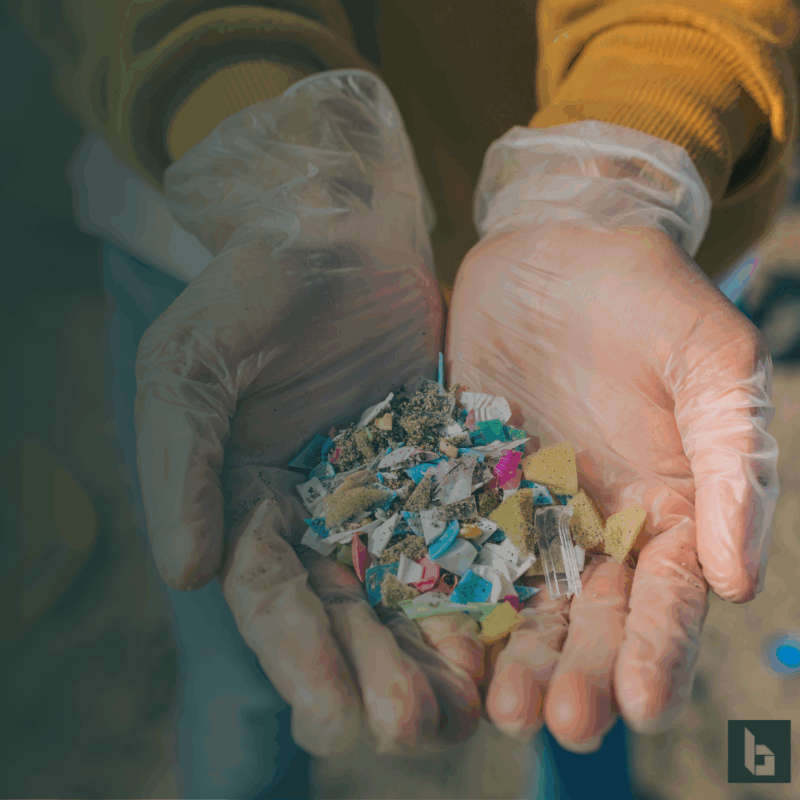
Where Microplastics Really Come From
Synthetic Textiles
Tyre Wear
The next major source is tyre and road wear particles. As tyres rub against road surfaces, they shed microscopic fragments made of synthetic rubber, natural rubber, and additives.
A major review published in 2023 found that recent estimates place tyre and road wear particles at around 5–10% of global microplastic emissions. (Source: Tyre and road wear particles from source to sea (Mattsson et al., 2023))
As IUCN Director General Inger Andersen Says:
“Our daily activities — such as washing clothes and driving — significantly contribute to the pollution choking our oceans, with potentially disastrous effects on the rich diversity of life within them and on human health. These findings indicate that we must look far beyond waste-management if we are to address ocean pollution in its entirety. The private sector must lead on the research and development needed for production shifts.”

Other Contributors of Microplastics
And then there’s the problem of fishing gear. Lost or abandoned nets and ropes — sometimes called “ghost gear” — make up a large share of the plastic waste found floating in our oceans. These materials are made from tough polymers such as nylon and polyethylene. Over time, sunlight and wave action cause them to fragment into microplastics, creating long-term harm to marine life.
Solid Recycled Plastic — A Different Story
British Recycled Plastic products are made from dense, solid, recycled British plastic, originally diverted from waste streams such as plastic bottles and household packaging. Once it’s been reprocessed, this material is chemically stable and extremely durable. It doesn’t flake, crumble or leach — even when exposed to years of sunlight, moisture and temperature changes.

The Bigger Picture: Keeping Waste in Use, Not in Nature
“Every tonne of recycled plastic we use saves more than a tonne of carbon emissions compared to manufacturing the same products from virgin material. And each product we make — whether it’s a school bench, a boardwalk for a nature reserve, or a planter for a public space — is part of a genuine circular economy, where resources are reused again and again rather than thrown away.”

British Recycled Plastic -From Waste to Wonderful!
Watch Our Microplastics Information Video for more information:
Contact Us:
For more information or for a project quote, get in Touch: info@britishrecycledplastic.co.uk or 01422 419 555. Our friendly and experienced team are on hand 5 days a week.
Written by the British Recycled Plastic team.
Updated May 2026
-
Wash synthetic clothes less often or use microfibre filters.
-
Drive less to reduce tyre wear.
-
Choose durable, recycled plastic products instead of single-use or short-life materials.
-
Support the circular economy by buying products made from recycled plastic.
Every British Recycled Plastic product — from a school bench to a garden planter — helps keep waste in use, not in nature, and prevents new microplastics from forming.
The IUCN reports that synthetic textiles cause about 30% of ocean microplastics, and tyre wear contributes up to 10%. Other sources include paints, packaging films, and fishing gear.
Products from British Recycled Plastic are part of the solution, not the problem — they’re built to last decades, resist wear, and can be fully recycled again at the end of their long life.
Studies show traces of microplastics can build up in the human body over time, especially from synthetic fibres and airborne dust.
Using durable recycled products—like British Recycled Plastic furniture and lumber—helps reduce the amount of plastic that can fragment into dust or particles, contributing to a cleaner environment overall.
Microplastics have been detected in drinking water, seafood, salt, and even the air. They’re mainly absorbed from environmental pollution caused by disposable or fast-wearing plastics.
Because British Recycled Plastic’s materials are solid and sealed, they don’t release particles into the environment — helping to reduce the sources of this contamination.
Yes — research shows that microplastics can accumulate in marine life and enter the human food chain, with potential effects on health and ecosystems.
By creating long-lasting, sustainable recycled plastic products, British Recycled Plastic helps tackle this issue at its source: preventing plastic waste from breaking down and entering nature.
The main sources of microplastics are synthetic textiles, tyre wear, city dust, paints, and marine gear. These materials shed or fragment through friction, washing, or weathering.
In contrast, British Recycled Plastic’s long-life products—such as benches, picnic tables, and raised beds—are chemically stable and don’t flake or crumble, helping to reduce microplastic pollution by locking existing waste into durable, reusable items.
Microplastics are tiny plastic particles less than 5mm in size, formed when larger plastic items break down or when synthetic materials shed microfibres. They’re found in oceans, rivers, soil, and even the air.
British Recycled Plastic’s products are made from dense, solid recycled polymers that do not break down or shed, meaning they do not produce microplastics during use.


















Leave A Comment
You must be logged in to post a comment.