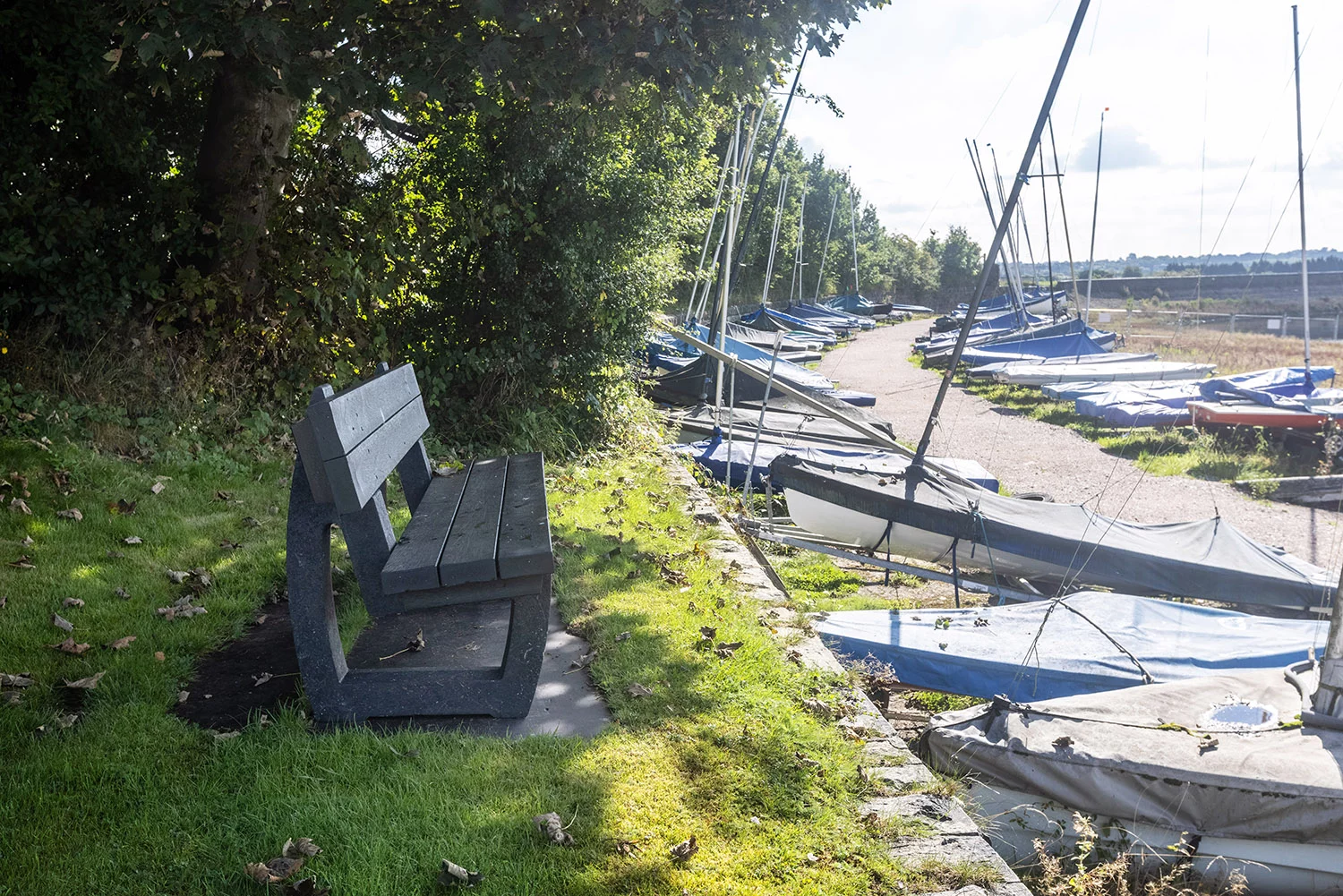
Recycled plastic furniture is surging in popularity both in domestic gardens and public spaces. And it’s no wonder why; recycled plastic is by nature sustainable, incredibly durable and requires little to zero maintenance. One of the most common questions buyers ask is: How long does recycled plastic furniture last? And in particular, picnic tables.
In this post, we’ll deep dive into how long recycled plastic picnic tables last in comparison to the traditional timber options, and why it’s such a cost-effective, long-term investment.
Table of Contents
- Recycled plastic picnic tables typically last 25+ years, significantly longer than traditional timber alternatives.
- Unlike wood, recycled plastic will not rot, warp, splinter or crack, even in harsh outdoor environments.
- Maintenance is virtually zero — no staining, sanding, painting or chemical treatments required.
- Although the upfront investment is higher, lifecycle costs are substantially lower due to reduced repairs, labour and replacement.
- Manufactured from UK recycled plastic waste, these picnic tables support circular economy principles and long-term sustainability goals.
- Ideal for schools, councils, NHS estates, parks, hospitality venues and public spaces where durability and whole-life value matter.
- British Recycled Plastic picnic tables are backed by a 25-year guarantee and designed for year-round outdoor use in all weather conditions.
The Advantages of Recycled Plastic Picnic Tables vs Timber
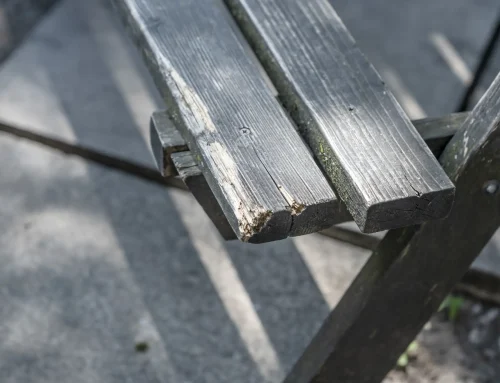
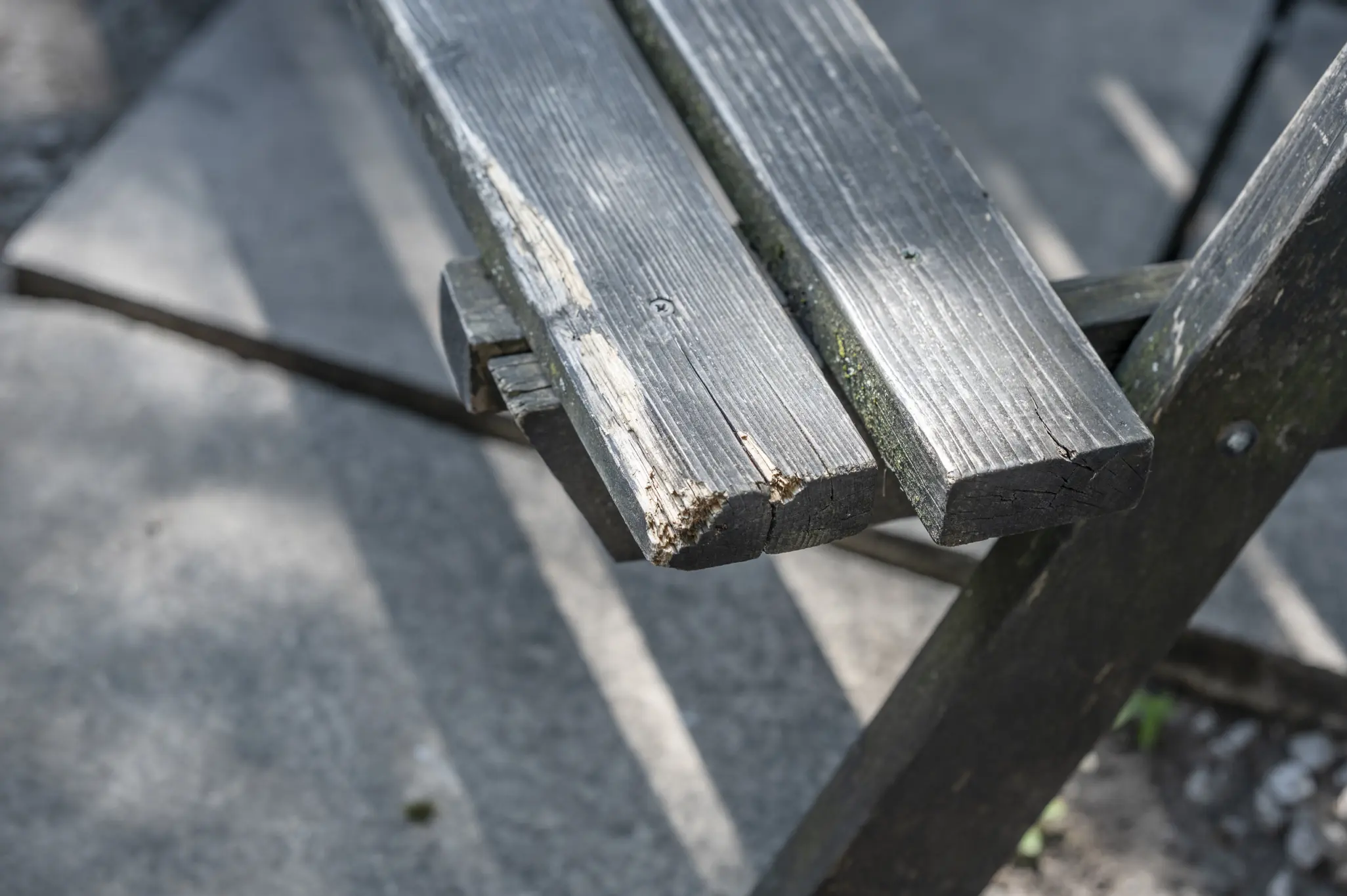
There are so many benefits of using recycled plastic furniture outdoors in the British climate. Prone to sudden downpours and unpredictable weather patterns, recycled plastic picnic tables stand strong through it all. Our recycled plastic lumber is non-porous, meaning there’s no risk of any level of moisture-related damage. That means no rotting, warping, splintering or cracking. These things are basically guaranteed with timber picnic tables.
Recycled plastic picnic tables sit strong through rain, snow and heatwaves, all without requiring additional treatments or maintenance.
Below you can see a brief overview of the other advantages of using recycled plastic picnic tables vs timber.
| Feature/Metric | Traditional Timber (Treated Softwood/Hardwood) | British Recycled Plastic – Premium Recycled Polyolefin Blend |
|---|---|---|
| Maintenance | High. Annual staining, sanding, varnishing and chemical treating needed. | Zero. Never needs painting, staining or oiling. Easy to clean with basic washing. |
| Lifespan & Durability | 5–10 years is typical, even with regular treatment. Rots, warps and cracks. | 25+ years guaranteed. Impervious to rot, insects, frost and damp. Will not crack. |
| Safety | Splinters over time and cracks, creating liability risk. Absorbs moisture, encouraging moss. | 100% splinter and crack -free. Non-porous — does not absorb water, resists moss and algae. |
| Vandalism & Fire | Vulnerable to carving and surface damage, spray-painting or bring ignited. | Graffiti easily washes off with solvent. Highly resistant to surface burns. |
| Environmental Impact | Relies on felling trees, contributing to deforestation and loss of carbon-storing woodland. Needs repeated replacement over time. | Made from recycled UK plastic waste — keeping trees in the ground and plastic out of landfill. Fully recyclable at end of life. |
| Total Lifecycle Cost | Low purchase price but high recurring costs: treatment, replacement parts, and labour. | Higher upfront cost but zero ongoing maintenance. Lower whole-life ownership costs due to minimal maintenance and replacement requirements. |
Recycled plastic picnic benches won’t rot or decay like timber; they won’t rust like metal outdoor furniture, and they won’t fade like painted or stained pieces.
Ongoing Maintenance Costs
Our plastic picnic tables do come at a higher upfront cost. However, when taking into account the additional maintenance required for timber outdoor furniture, the price is much more cost-effective.
Wooden decking and furniture require annual treatment, staining or painting, repairs and typically replacement around every 5-10 years. All of this costs financially and takes time. When comparing the long-term costs of timber furniture, the price really ramps up. With recycled plastic picnic tables, the upfront cost is the lifetime cost.
And the maintenance for recycled plastic? A basic wipe-down with warm, soapy water or an annual jet wash.
But How Long Does Recycled Plastic Furniture Last?
Recycled plastic furniture is relatively new. So when asking ‘how long does recycled plastic furniture last?’, we can only work on estimations. At British Recycled Plastic, our plastic picnic benches and tables all come with a 25-year guarantee as standard, but we believe recycled plastic furniture can last decades. This level of longevity far surpasses traditional steel or timber alternatives, which is why it is becoming so popular.
One major downside of timber furniture for outdoor use is maintenance. British summer is fleeting. So rather than wasting the first few days sanding, treating and painting your furniture, you want to get out and enjoy the sun the moment the clouds disappear. With recycled plastic, you can enjoy your garden in any weather without a lengthy preparation phase. Our plastic picnic tables require no treatments or annual maintenance – other than a quick wipe down from time to time – so spontaneous barbeques and summer soirees are never off the cards.
This is particularly good for hospitality. Having outdoor space for dog-walkers or sun-dwellers without having to continuously repair, treat or replace furniture is invaluable.
Factors Influencing the Lifespan of Recycled Plastic Picnic Benches
Not all plastic picnic benches, tables and other outdoor furniture are made the same. And when choosing yours – whether it’s for home or in a public space – there are some things to consider.
1. The Quality of the Plastic
At British Recycled Plastic, our picnic tables are made with high-density polyethylene, the same material we use to create our versatile artificial lumber. It’s known for its strength and resistance to weather, UV, vandalism and heavy use. Furniture made using this high-quality recycled plastic can last much longer than those using lower-grade or virgin plastics. Our furniture is widely used across schools, council spaces, nature reserves and NHS trusts – so we understand the need for durable seating in high-traffic areas.
2. How it’s manufactured
One of the most important parts of the manufacturing process for recycled plastic picnic tables and picnic benches is the use of UV stabilisers. These stabilisers ensure your picnic table is protected from sun exposure, degradation, and brittleness. At British Recycled Plastic, our plastic lumber is made with 100% British waste materials and mixed with UV stabilisers. It’s this that also helps our bold and bright picnic tables stay looking fresh year after year.
Environmental Benefits of Long Lifespan
By choosing a long-life material like recycled plastic, it reduces the frequency of replacement. With every replacement, there’s additional waste generation. So the fewer times you have to replace your outdoor furniture, the less waste you are contributing to landfill and the demand for new, raw materials. Choosing recycled plastic picnic tables and furniture aligns with sustainable living goals both for individuals and organisations.
At British Recycled Plastic, our plastic is made from British waste materials from manufacturing and agricultural processes. These materials would traditionally be difficult to recycle or dispose of, meaning every recycled plastic picnic bench helps divert waste from landfills and oceans.
Every time you have to replace timber picnic tables, decking or other outdoor furniture, there are manufacturing, deforestation and transportation costs to factor into the carbon footprint. Even FSC®-certified wood, which is deemed renewable and sustainable, still uses raw materials as opposed to existing waste. It also still requires multiple repair and replacement cycles within your lifetime.
Contributing To a Truly Circular Economy
One thing we’re really proud of is how our end-of-life picnic tables are fully recyclable and can even go on to become brand new furniture. We even offer a take-back scheme to ensure our products don’t end up in landfill. There will always be waste available to help create our products, and we can even use our products to create more of our high-performing picnic tables in the future.

Real World Use Of Recycled Plastic Picnic Tables
British Recycled Plastic is a proud supplier to the National Trust, as well as multiple NHS trusts, the RSPB and school trusts around the UK. Combining strength, low-maintenance design and weather-proof surfaces, our picnic benches are the best choice for a whole number of real-world situations:
Schools & Educational Settings
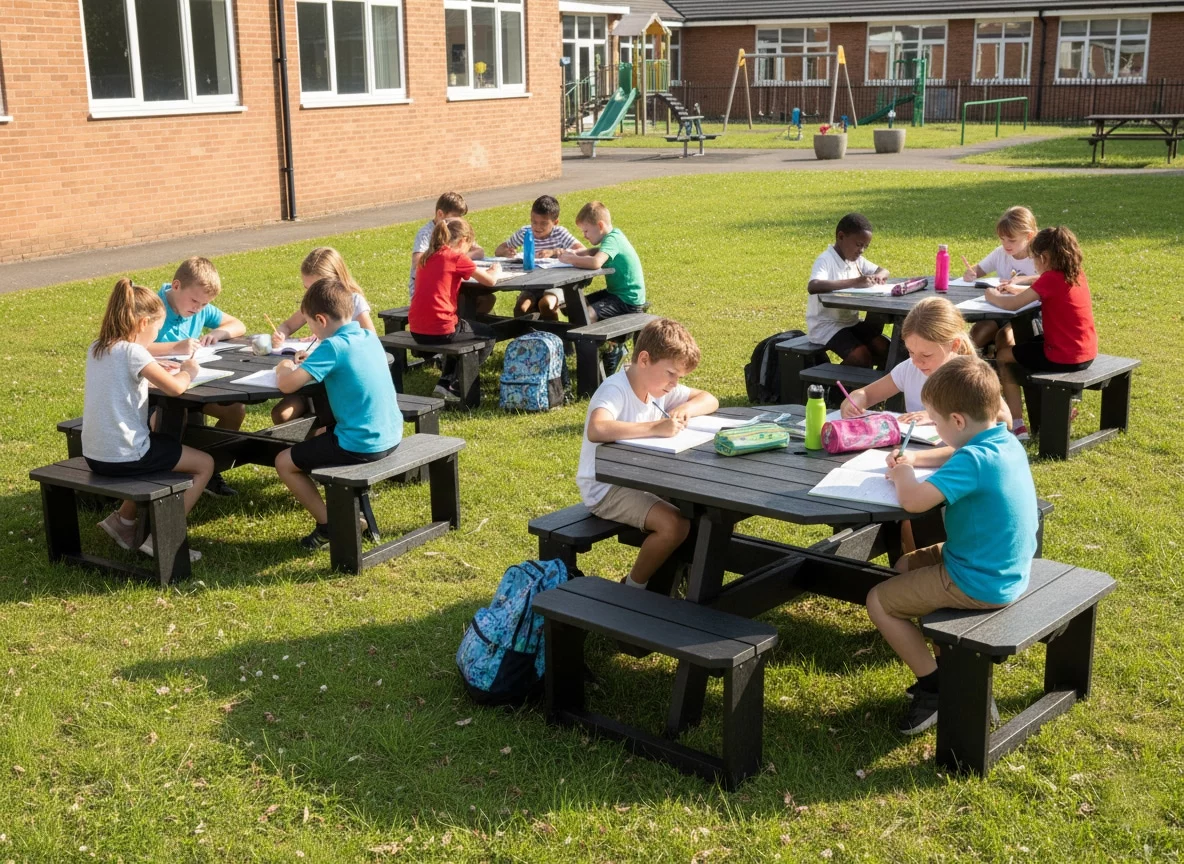
Busy playgrounds and high-traffic recreational areas need high-performing outdoor furniture. While school site managers often choose timber for its cheap upfront cost, they really need to account for the annual labour and maintenance eating into their budgets. Timber is prone to vandalism and weather damage such as cracking, splintering and rotting – making it less than ideal for schools where pupil safety is of utmost importance.
Parks & Public Spaces
Local councils and authorities can again save money on maintenance and labour by choosing recycled plastic picnic tables. Our picnic benches are weatherproof and won’t fade in colour after a few years, keeping the space looking neat, fresh and new for much longer than timber could.
Hospitality
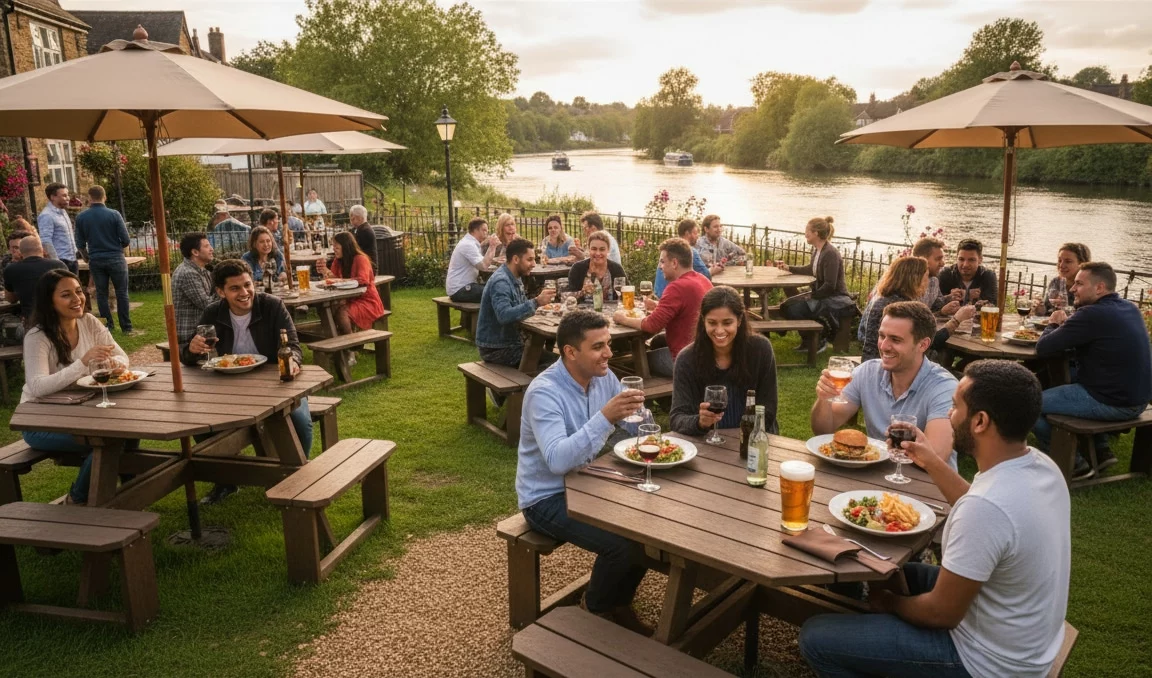
Why fork out for treatments, labour and repair every summer? Let customers enjoy every outdoor moment from the first glimpse of sunshine to the last without tons of prep. Once installed, recycled plastic picnic tables and benches can stay in place all year round and offer a high-quality finish that’s safe and cost-effective.
FAQs
Why use recycled plastic instead of timber for outdoor furniture?
Recycled plastic does not absorb moisture, so it does not rot, splinter, or require regular maintenance like timber. This makes British Recycled Plastic picnic benches and tables a more reliable long-term solution for schools, parks and public spaces. All our picnic tables and benches come with a 25-year guarantee.
What are recycled plastic picnic tables made from?
British Recycled Plastic picnic tables are manufactured from surplus plastic materials sourced from UK manufacturing processes. These materials are processed into solid plastic profiles designed to provide long-term structural performance in outdoor environments.
How are recycled plastic picnic benches transported and how much does delivery cost?
Our recycled plastic picnic benches are sent out via the national pallet network, strapped to standard 100 x 120cm pallets. We typically use 2 pallets for flat-packed picnic benches, and these can be stacked five high. Fully assembled picnic tables will be stacked two high.
The delivery cost is included in our product pricing for mainland UK, while there is an additional charge for the Highlands and Islands.
What colours are plastic picnic tables available in?
British Recycled Plastic picnic tables and benches are available in a rainbow of colours. The frames are typically black or brown, while the seats and table top can be black, brown, blue, red, forest green, lilac, pink, orange, grey and lime.
Do recycled plastic picnic tables need to be fixed to the ground?
It depends where they are. They often weigh over 100kg so they are unlikely to be moved in most situations, particularly if they are behind locked gates. But just in case, we do offer both soft and hard ground fixing kits as optional extras.
Final Thoughts
If you’re looking for picnic tables and benches that last, choose recycled plastic. Our high-density recycled plastic lasts decades and looks just as good on day 1000 as it does on day 1.
While timber can last a while with regular treatments and repairs, recycled plastic can outlast timber every time – without the need for maintenance.
And recycled plastic isn’t just good for you; it’s better for the planet. Our products are part of a circular economy and contribute to sustainability goals.
If you’re hoping for a one-off investment in your outdoor space, shop our high-performing picnic tables, or contact us on 01422 419555 or [email protected].
Written by the British Recycled Plastic team.
Published June 2026