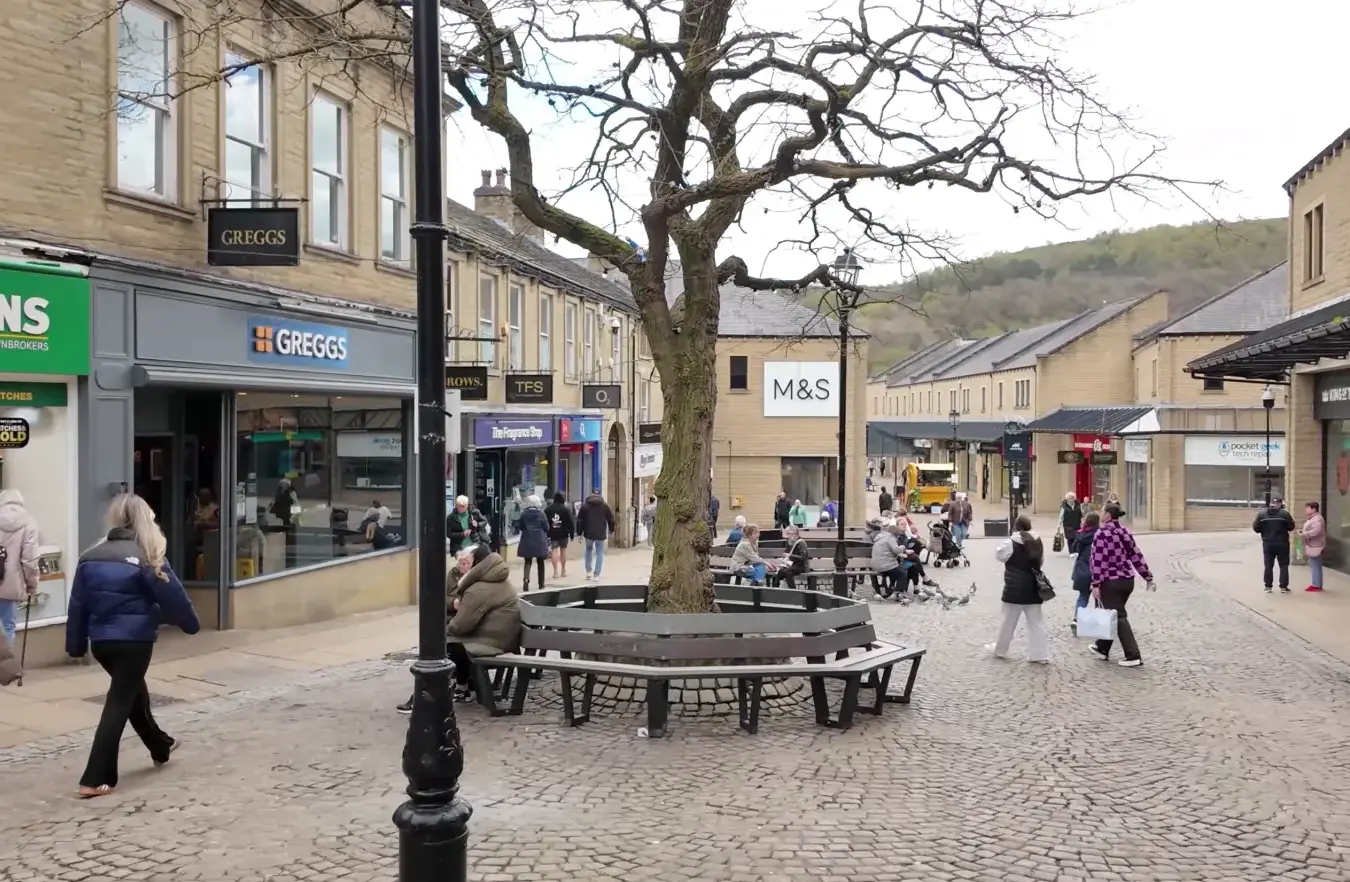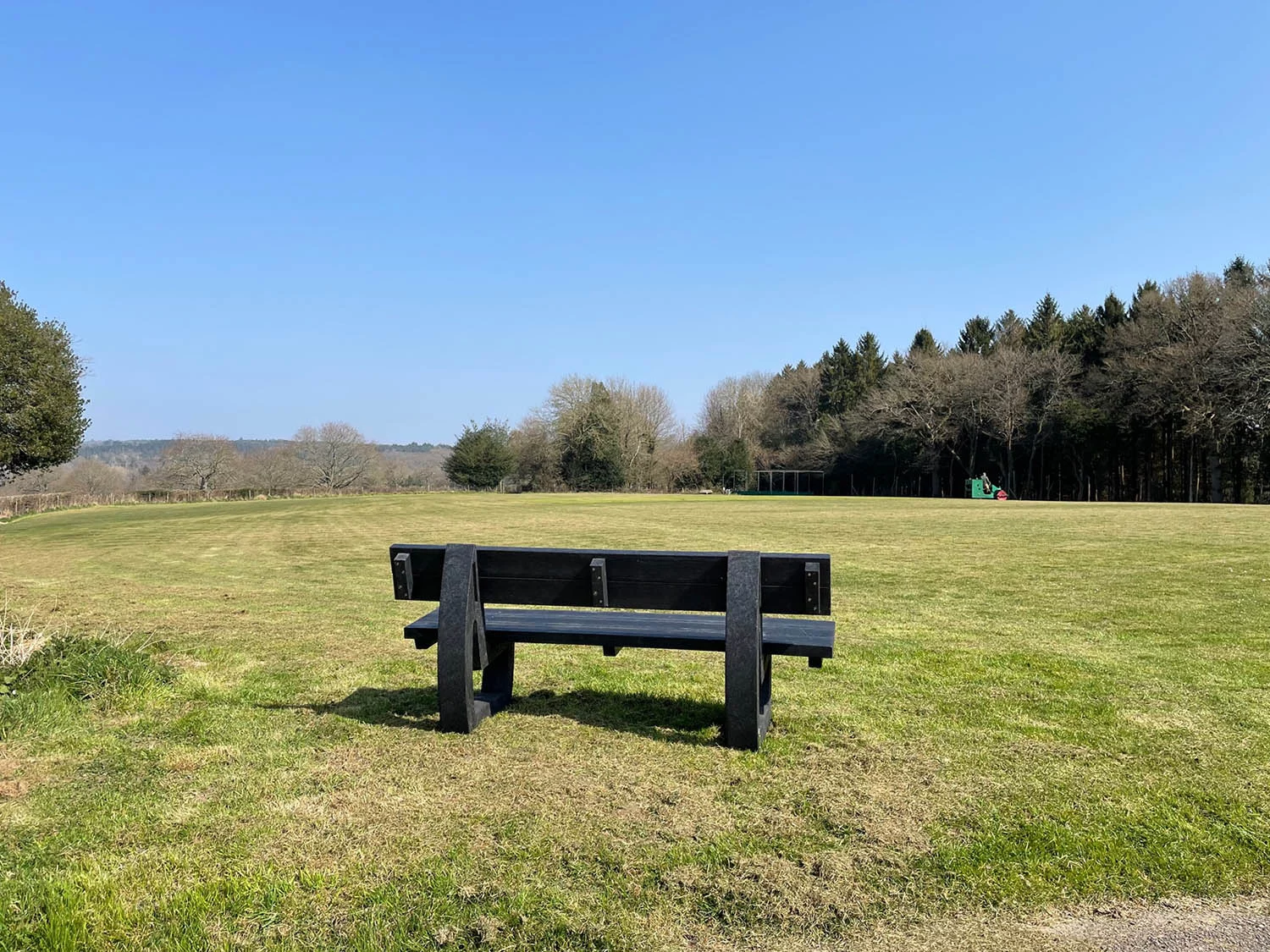
Outdoor spaces are integral for our mental and physical wellbeing. Whether that’s at school, at home or while out and about, taking a moment to sit, regroup and be present can do a world of good for so many people. Which is why city and town councils are now more than ever prioritising their outdoor green spaces.
With sustainability such a hot topic for local authorities and procurement teams, finding the right materials for outdoor projects is crucial. One solution is recycled plastic benches. These benches not only offer a huge range of budget benefits compared to timber, but also contribute to a low carbon footprint and circular economy.
- Recycled plastic benches are low-maintenance and long-lasting, making them a great choice for outdoor spaces.
- Unlike timber, recycled plastic requires no annual maintenance to last over 25 years.
- Timber has a cheaper upfront cost, but will cost quadruple its price within 25 years.
- Recycled plastic benches are a long-lasting investment perfect for schools, councils, parks and commercial environments.
Are Recycled Plastic Benches Worth It? 9 Benefits
Recycled plastic outdoor benches are a great choice for commercial use in public spaces. There are so many benefits compared to traditional timber choices:
1. Allowing you to reach sustainability targets
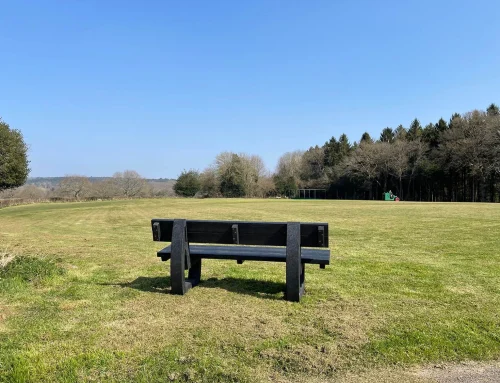
Our recycled plastic park benches are the perfect example of how we turn waste into something wonderful. Our benches are made with 100% British waste materials, typically found in manufacturing and agricultural processes. These materials are often incredibly difficult to recycle and ultimately end up in landfill. Instead, we transform them into a high-density polyethylene that is then moulded into artificial lumber pieces. This lumber is the base of all our products, including our high-performing park and garden benches.
By repurposing plastic to create practical benches for high-traffic spaces, we not only provide a useful product but also reduce pollution, conserve natural resources and divert waste from landfills and oceans.
At British Recycled Plastic, we’re proud to be part of a truly circular economy where our sustainable practises go far further than making recycled plastic furniture. We also offer a take-back scheme for end-of-life products to prevent our furniture ever reaching landfill. Thanks to our sustainable manufacturing processes, we can fully recycle old products into new ones.
What’s more, our picnic benches have a much longer lifespan than traditional timber options. Every time you replace a panel in a timber bench, its carbon footprint increases through deforestation, processing energy and transportation emissions. All of this makes timber outdoor furniture environmentally unfriendly long-term.
2. Low Maintenance
When you’re designing an outdoor space, you want it to look fresh and inviting for as long as possible. Preferably with as little upkeep and ongoing maintenance as possible. Typically, when we see organisations, local authorities and the public sector making an effort to keep spaces looking nice, the public tends to follow suit – making it feel more like a community effort.
That’s where recycled plastic outdoor benches shine; they require little to no maintenance. A quick wipe down with warm soapy water from time to time and that’s all there is to it. With built-in UV stabilisers, these park benches stay looking bold and clean year after year without fading or needing treatment. There’s no need to sand, paint or stain like you would with timber alternatives.
This makes recycled plastic garden seats and benches a great choice for busy public spaces where maintenance budgets are low, or even in the garden where you want to be able to dive into enjoying the sunshine as soon as it arrives (just in case it doesn’t hang about for long).
Recycled plastic is non-porous, which means spills and stains – which are common in high-traffic areas – are easy to wipe away and won’t stick to the surface of the bench.
3. Weather Resistance
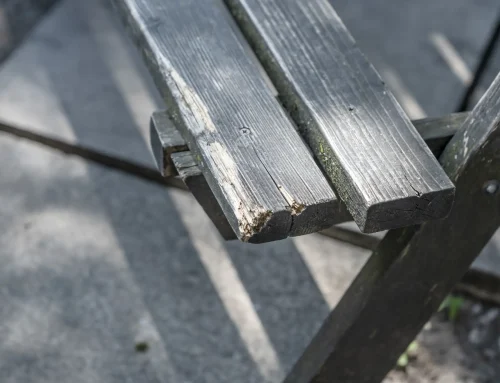
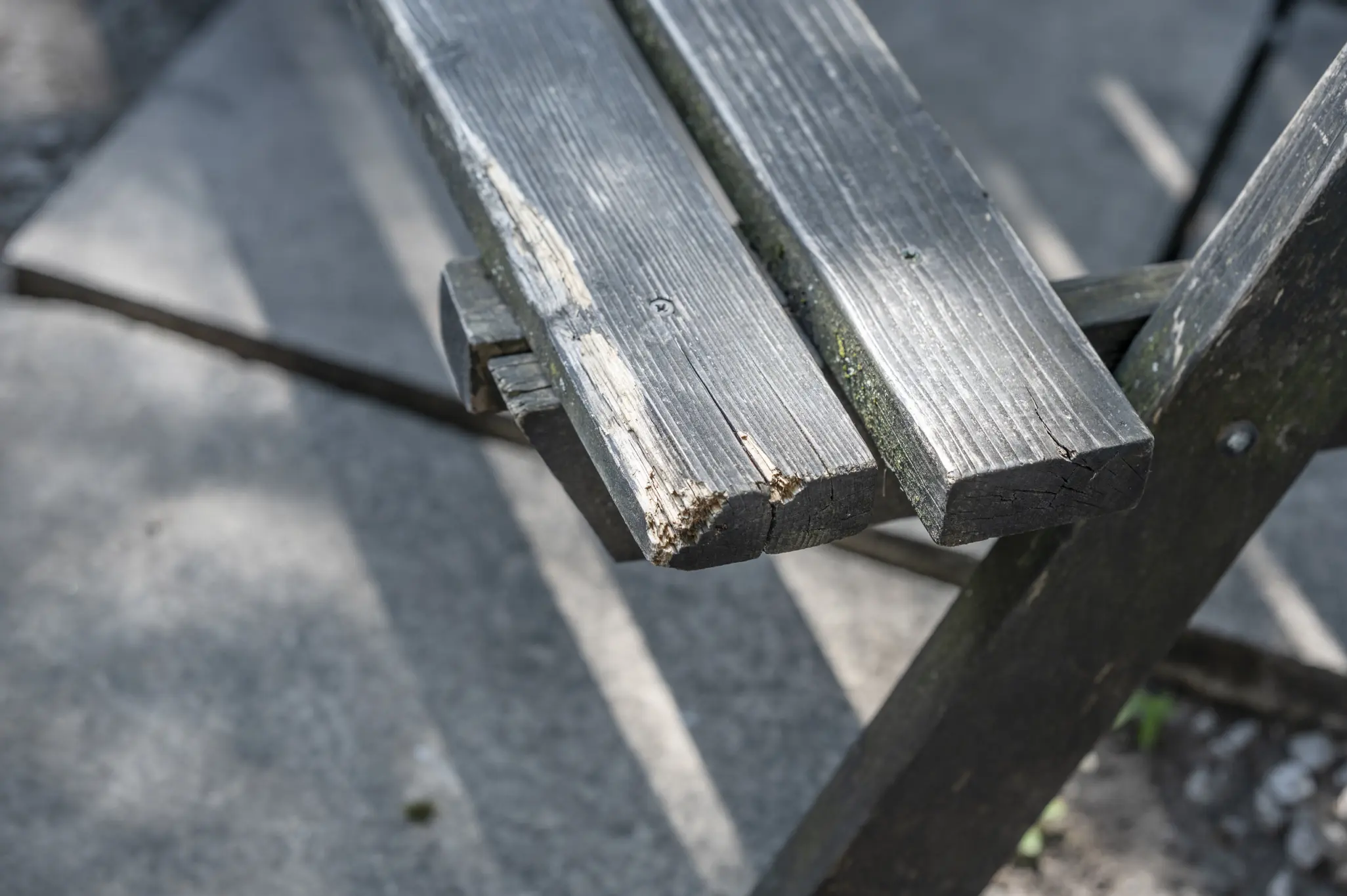
Being non-porous and containing no natural fibres, recycled plastic outdoor benches are resistant to weather damage. Unlike timber, recycled plastic won’t absorb water, meaning there’s no risk of cracking in freezing temperatures, rotting, swelling or splintering. UV stabiliser also ensures our picnic benches stay strong through heatwaves and blazing sunny spells.
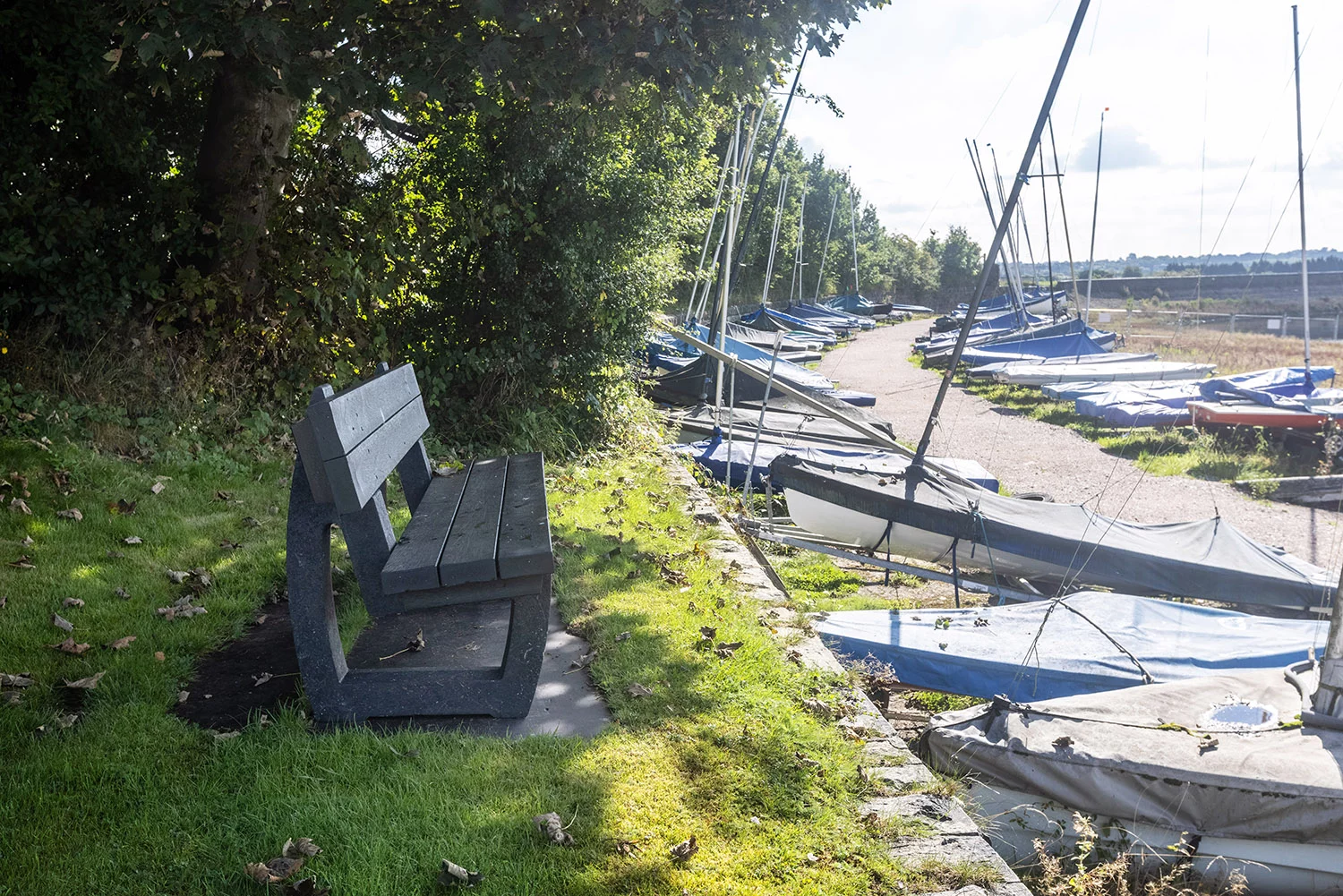
Whether it’s the peak of winter or the height of summer, recycled plastic benches can weather it all. This makes them great for coastal areas where weather impact is high, nature reserves or local parks.
4. Pest-Free
Without cracking, rotting or warping, there’s nothing to attract pests. In timber, termites and other insects can do costly damage, whereas recycled plastic eliminates this issue.
5. Hard-Wearing, Incredible Longevity
One of the most significant differences between timber and recycled plastic garden benches is their longevity. Without the risk of warping, rotting and splintering, recycled plastic can far outlive timber. This resistance to weather damage allows the benches to stay incredibly strong and structurally intact for decades with little maintenance, even in harsh outdoor conditions.
6. Safe and Comfortable
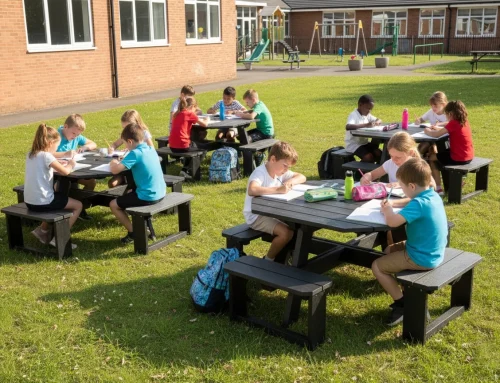
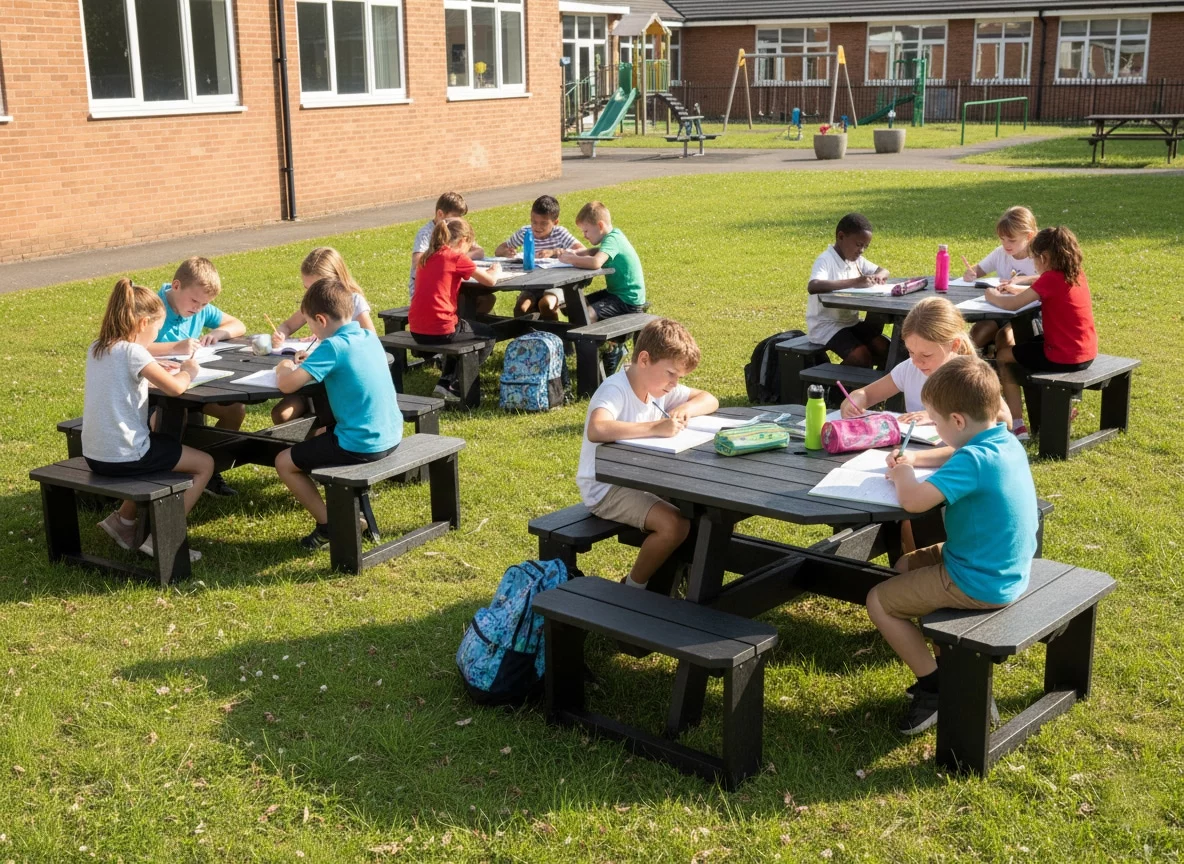
Our high-performing picnic benches are often used in schools and public spaces because they are totally safe for children and the elderly alike. Unlike timber, recycled plastic won’t splinter or crack, and is typically finished with a smooth surface and curved corners. All of this is intentional to ensure a comfortable experience, with the risk of accident and injury minimised.
7. Colour Vibrancy
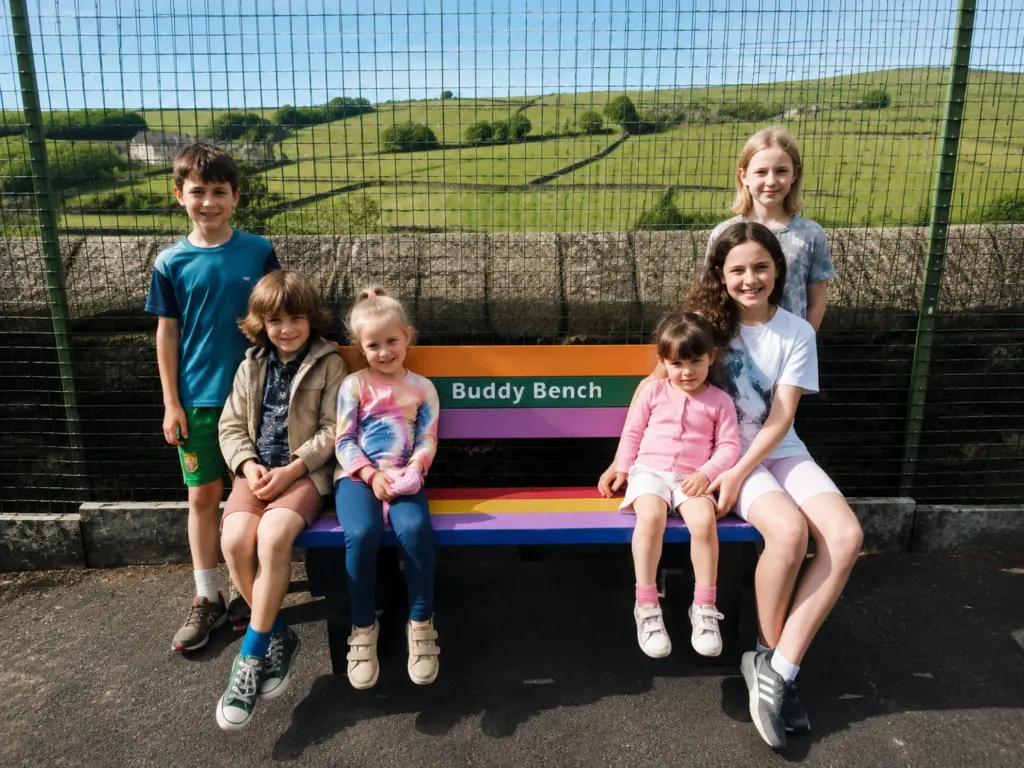
While timber will likely need staining or painting every year to keep it looking fresh, recycled plastic garden benches are a ‘one and done’ option. Our benches are available in a huge range of colours, so your space can stay looking as bright and clean on day 1000 as it does on day 1. We recommend Black and Brown benches as these hold their colour for the longest.
8. A Physical Show For Green Initiatives
For hospitality, councils and other trusts, using recycled plastic outdoor furniture is a physical display of your efforts to be greener. A recycled plastic park bench shows the public you’re environmentally conscious. This can be great for reputation and gaining the trust of the public.
9. Lifetime Cost-Effective
The final benefit of recycled plastic garden benches, which we’re going to look into more below, is cost-effectiveness. Recycled plastic comes with a higher upfront cost than timber. But when accounting for the lifecycle of both options, recycled plastic becomes much cheaper. With no maintenance and a longer lifespan, procurement teams need to consider how the upfront cost can be more cost-effective for their budgets.
| Feature/Metric | Traditional Timber (Treated Softwood/Hardwood) | British Recycled Plastic – Premium Recycled Polyolefin Blend |
|---|---|---|
| Maintenance | High. Annual staining, sanding, varnishing and chemical treating needed. | Zero. Never needs painting, staining or oiling. Easy to clean with basic washing. |
| Lifespan & Durability | 5–10 years is typical, even with regular treatment. Rots, warps and cracks. | 25+ years guaranteed. Impervious to rot, insects, frost and damp. Will not crack. |
| Safety | Splinters over time and cracks, creating liability risk. Absorbs moisture, encouraging moss. | 100% splinter and crack -free. Non-porous — does not absorb water, resists moss and algae. |
| Vandalism & Fire | Vulnerable to carving and surface damage, spray-painting or bring ignited. | Graffiti easily washes off with solvent. Highly resistant to surface burns. |
| Environmental Impact | Relies on felling trees, contributing to deforestation and loss of carbon-storing woodland. Needs repeated replacement over time. | Made from recycled UK plastic waste — keeping trees in the ground and plastic out of landfill. Fully recyclable at end of life. |
| Total Lifecycle Cost | Low purchase price but high recurring costs: treatment, replacement parts, and labour. | Higher upfront cost but zero ongoing maintenance. Lower whole-life ownership costs due to minimal maintenance and replacement requirements. |
How Much Do Recycled Plastic Benches Cost vs Timber?
When it comes to budgets, timber is often the first choice as it is cheap. But when we look at the cost of regular treatments and replacements, recycled plastic offers long-term savings. Without constant upkeep costs, recycled plastic garden benches basically pay for themselves after a few years. It’s for this reason that so many local authorities are switching from timber to recycled plastic outdoor benches for public spaces.
Similarly, private businesses, hotels and schools can all benefit from investing in plastic outdoor furniture to reduce long-term costs and ultimately provide customers, guests and pupils a safe, well-kept place to sit.
The Real Cost of Timber Benches
According to our research, timber outdoor furniture lasts an average of 5-15 years – depending on maintenance and the environment it’s placed in. The exact cost depends on a range of factors however;
Say you paid for sanding and outdoor paint once a year to treat your timber furniture. That could be around £20-£40 a year plus the time it takes. Within 10 years, that’s an additional £200-400 on top of the initial cost. This price also doesn’t include any additional treatments to prolong the bench’s life, any board repairs or fixture replacements. In contrast, a recycled plastic picnic bench won’t need treatment, sanding or painting, and will look just as good while staying strong 10 years later.
By 10 years, a timber bench will be nearing the end of its life, even with £400+ worth of additional maintenance. By 25 years, you’ll likely have replaced a timber bench at least once:
The original cost of bench no 1 + £400 of treatments + the cost of bench no 2 (which will likely be more expensive anyway) = The actual cost of using a timber bench for 25 years is around triple or quadruple the original price.
With recycled plastic park benches, the initial purchase comes with a 25-year guarantee. So your day 1 price is exactly how much the bench will have cost at the end of 25 years.
Now let’s say you’re procuring outdoor benches for a large project. The paint, treatments, board replacements, labour costs, and transportation of new goods all creep up on that initial cost that seemed so cheap.
Recycled plastic quickly becomes the only viable choice for small budgets and high-traffic areas.
Recycled Plastic Picnic Bench FAQs
How long do recycled plastic benches last?
British Recycled Plastic benches are built to last for decades, and all come with a 25-year guarantee. Unlike traditional wooden or metal benches, recycled plastic benches are resistant to weather, rot, rust and insect damage, ensuring exceptional durability even in harsh outdoor conditions. British Recycled Plastic benches are maintenance-free, making them the best long-term, sustainable choice for any outdoor space.
Can I paint a recycled plastic bench?
We wouldn’t recommend painting our plastic benches. The recycled plastic is chemically inert, so paint has a difficult time sticking to the surface. We do, however, offer plenty of colourful customisable options with UV-stable colours, keeping the benches looking bright and fresh for decades to come.
Does British Recycled Plastic offer memorial benches?
Our benches have been used across the country as beautiful tributes and memorials. Our support team is available five days a week to assist you in selecting the perfect bench, and we can guide you to reputable suppliers for personalised plaques. Our benches are crafted from durable, maintenance-free recycled plastic, ensuring they withstand the elements and remain beautiful while creating memories for years to come.
What sort of warranty do recycled plastic benches have?
Our recycled plastic picnic benches come with a 25-year guarantee as standard.
What are the benefits of recycled plastic benches?
Recycled plastic park benches are:
- Chemically inert so stains, spills and graffiti won’t stick
- Non-porous so won’t experience water damage, warping, rot, splintering or cracking
- Weatherproof for all seasons
- Low-maintenance requiring zero additional treatments
- Part of a truly circular economy made entirely from British waste materials
- UV-Stable, staying bright through the years with no fading
Recycled Plastic Picnic Benches Win Every Time
It’s clear from the benefits of using recycled plastic picnic tables, and the comparisons between plastic and wood in terms of cost-effectiveness, that plastic benches are totally worth the price.
They have a higher upfront price, but they nowhere near match the additional costs required to upkeep – and eventually replace – timber.
If you’re ready to make the financially and environmentally logical choice for your outdoor space, you can shop our recycled plastic benches for high-traffic spaces, or speak to our friendly team on 01422 419 555 or [email protected].
Written by the British Recycled Plastic team.
Published July 2026