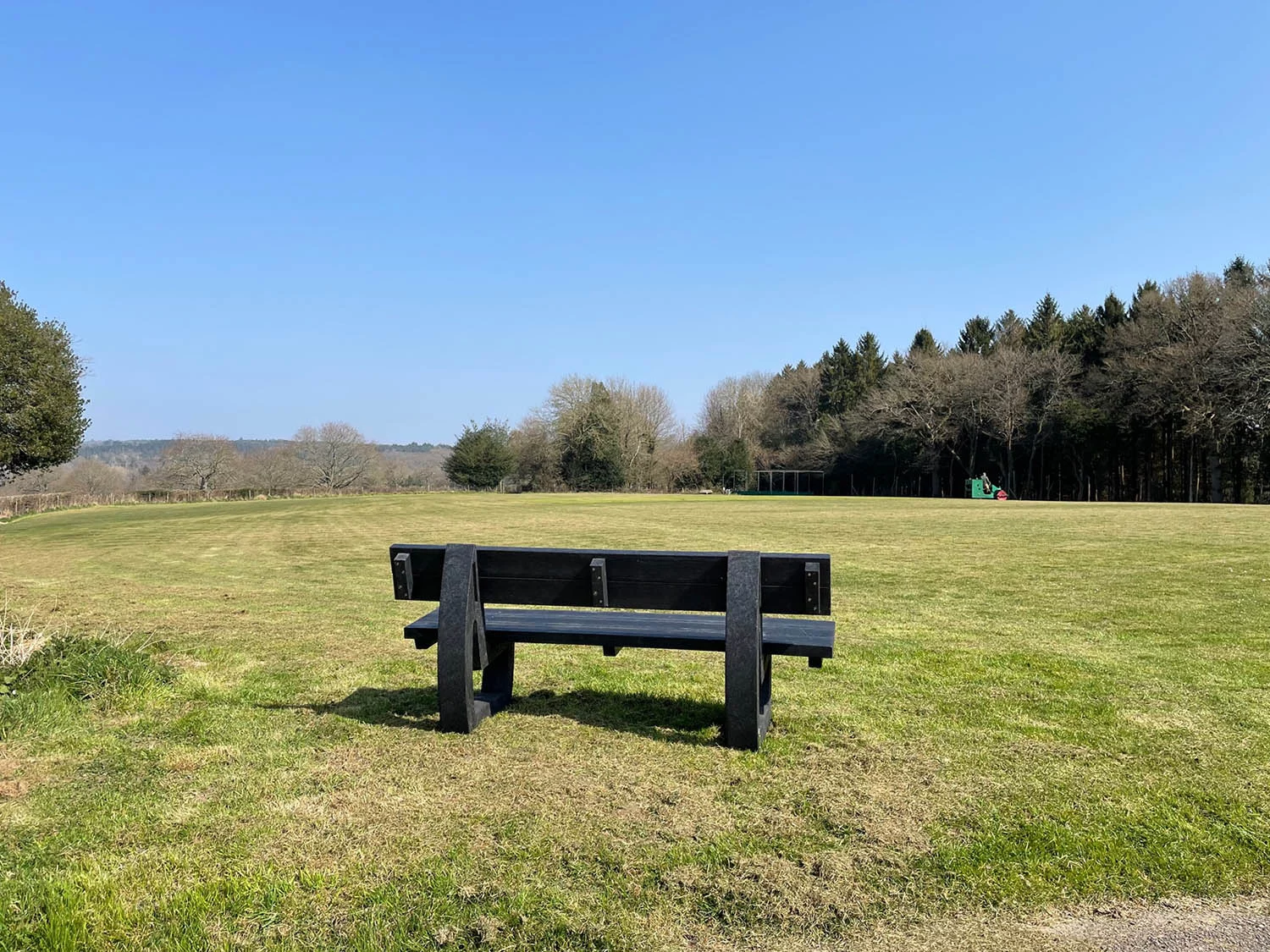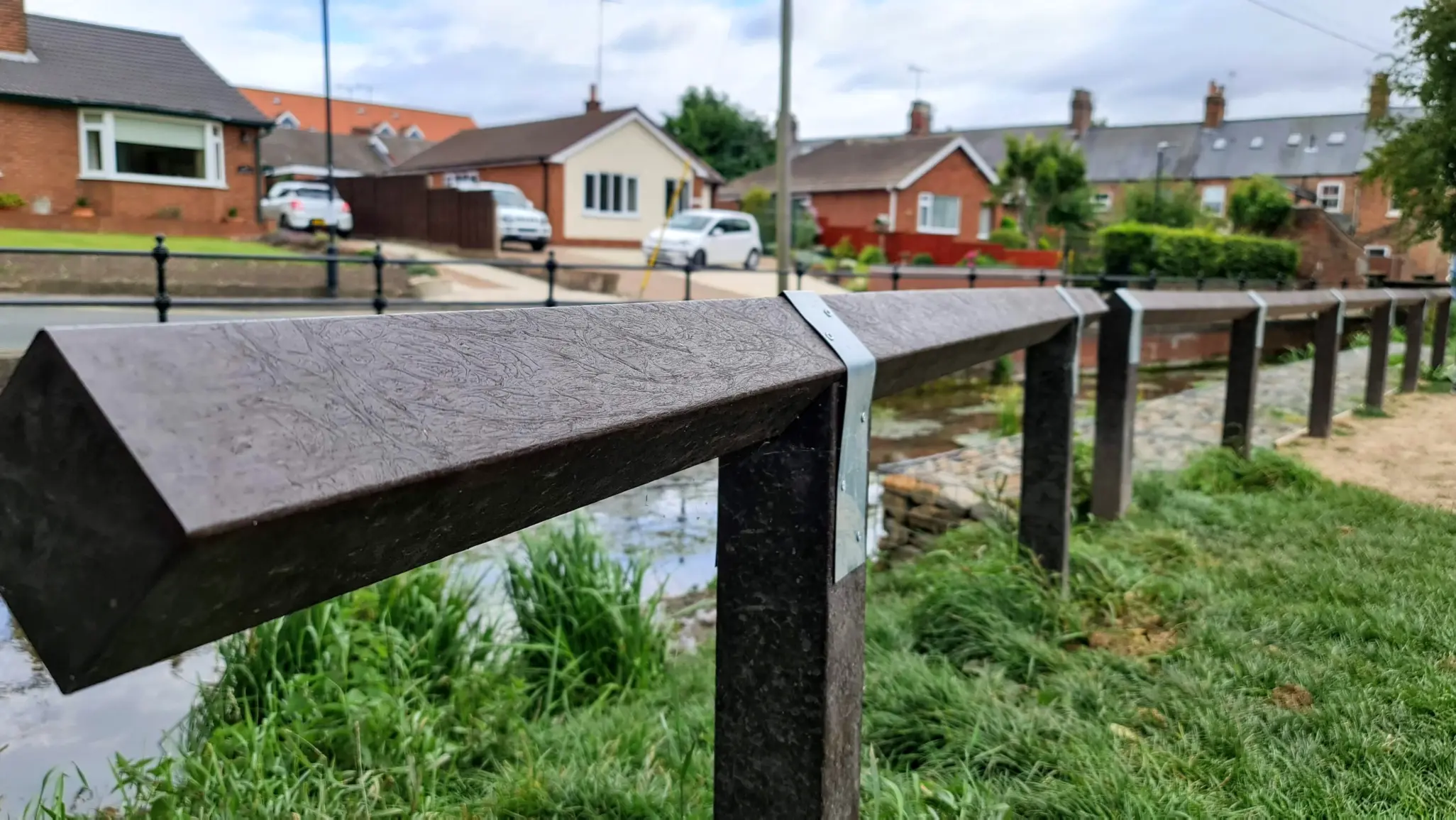
British Recycled Plastic began in 2009 as a practical response to a simple problem: outdoor timber often rots, splinters and needs constant replacement. Founded by Jason Elliot, the company set out to turn UK plastic waste into durable, low-maintenance alternatives to timber. The company evolved into a wider circular-economy mission — creating long-lasting products for gardens, schools, public spaces and major organisations such as the National Trust, while keeping plastic in use and out of landfill.
British Recycled Plastic was founded in 2009 by Jason Elliott, but the idea behind it started with a childhood curiosity: Where do materials come from, and where do they go next?
Back in 2008, the focus wasn’t on sustainability or environmental impact: It was practicality.
- British Recycled Plastic was founded in 2009 by Jason Elliott.
- The original goal was practical: create a longer-lasting alternative to outdoor timber.
- Products are made from UK-sourced recycled plastic waste, including agricultural film and industrial offcuts.
- The company works now with organisations like the National Trust, schools, councils and environmental charities.
- Its circular approach includes UK-based manufacturing, recyclable products and a take-back scheme.
- The core idea remains simple: turn waste into durable materials that last for decades.
At the time, much of the conversation around “eco homes” was driven by high-cost innovations, often seen on popular shows like Grand Designs. Triple glazing, imported systems, and architectural redesigns for people who had substantial budgets available. While sustainable home design was becoming a hot topic, it was still almost impossible for the average person in an average home to achieve.
“I was looking at how ordinary households could improve their outdoor spaces without relying on the expensive, design-led solutions often seen on television. Most British gardens — terraces, allotments, and small family spaces — don’t need showpieces. They need materials that work, year after year, in real conditions.” – Jason Elliott
While researching ways to environmentally improve existing properties, recycled plastic manufacturing kept coming up. The EU had recently banned chromium copper arsenate (CCA), a common wood preservative, due to its toxicity, and without this preservative, timber products were degrading faster than ever before.
There was a clear need for a new, long-lasting material to replace traditional timber. Having grown up watching timber structures outdoors rot, splinter, and require constant upkeep, Jason saw the potential for recycled plastic.
“Wood is beautiful, don’t get me wrong—who doesn’t love a wooden floor or a handmade table?—but in the great British outdoors, getting battered 365 days a year by storms, fog, and heatwaves, it’s a lot to ask for it to last more than a few years.”
And so the idea was straightforward: Can we use waste that already exists to build something designed to last, so people don’t have to worry about their installations?
Originally, British Recycled Plastic wasn’t created through an environmental mission. It was about improving access to practical, well-engineered materials.
By making something that can be used instead of timber in almost every situation, we can remove the repair and replacement cycle – creating something not only more practical, but ultimately more sustainable too.
A huge win early on for us was having the National Trust on board. We became official partners in 2010 and continue to provide materials for their locations across the country.

Educating Britain on Recycled Plastic
Back then, most people saw recycled plastic as a decorative novelty; recycled plastic pens, notepads and phone cases. There was very little awareness of how recycled plastic used as a performance engineering product could solve real-world problems.
A huge part of the job in the beginning was education. And we still try to provide as much information as possible to schools, councils and individuals. Recycled plastic lumber doesn’t behave the same as timber, which is why we work really hard to provide accessible information for anyone interested in our products. We have installation videos, our free dye garden guide and expert advice on our blog.
We’ve also started a Registered Installers list to highlight contractors with a progressive attitude who may want to expand their customer base with our products.
How It’s Made: A Never-Ending Supply Chain
Despite everyone being more aware of recycling and single-use plastics, virgin plastic production is still increasing globally. Which means there will always be a supply to create recycled plastic products from.
One common misconception is that recycled plastic mainly comes from household recycling. However, much of our material is sourced from post-commercial and manufacturing waste streams. Household waste plastics are clean and consistent, but often difficult to recycle through standard systems.
Black plastic is a good example. Many traditional recycling systems use optical sorting, and machines struggle to recognise black plastic, so large volumes are often excluded. By working directly with known waste streams that specialise in manufacturing waste, we are able to recover and reuse these materials.
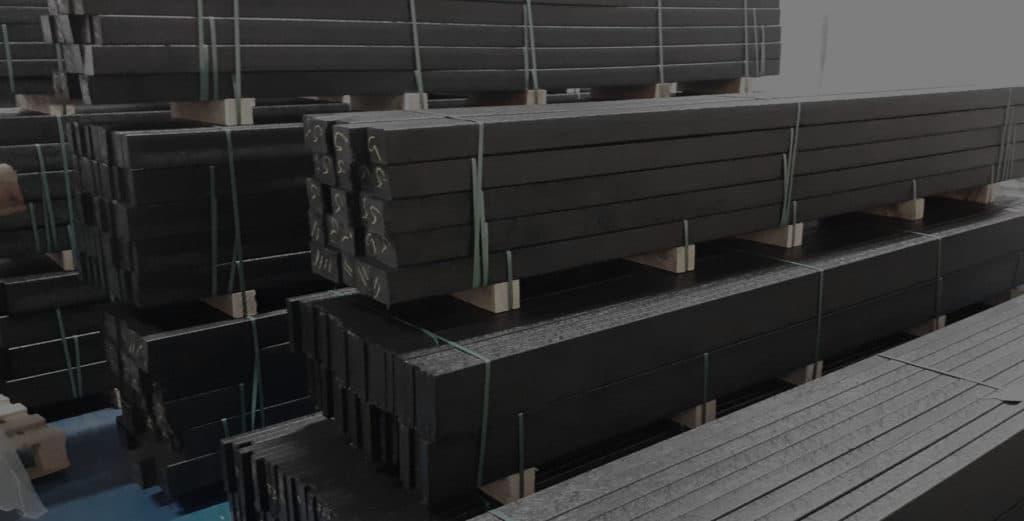
British Recycled Plastic consists of things like agricultural films, industrial containers, and manufacturing offcuts, all sourced within the UK. These plastics are washed, shredded and converted into small pellets which can be melted and extruded into solid profiles.
And the result? A dense material made from around 99% recycled content — transforming short-life waste into durable, long-term infrastructure.
From Practical Solution to Circular Thinking
Sustainability isn’t just about avoiding certain materials that are difficult to recycle or reuse; it’s about understanding the full journey of a product – as well as everything else that goes into running a business.
When Brexit and COVID hit, people saw the real benefit of our UK supply chain. Our products come from various sites in the UK – East Midlands, Greater Manchester, Scottish Borders and Sheffield – which allows us to maintain a reliable supply without depending on international borders.
As the talk around carbon footprints became bigger, our single-country supply chain became a great selling point. Transporting raw materials is always a massive chunk of any carbon count and our supplies reduced our carbon footprint – a massive benefit for Net Zero projects.
Everything we produce is designed with its entire lifecycle in mind, including what happens when the product is no longer wanted. British Recycled Plastic products can be recycled again, and we operate a take-back scheme at the end of a product’s natural life, to ensure it doesn’t become waste.
We are a very eco-conscious company, and our carbon footprint has become part of everything we do; we use recycled stationery, our website is powered by wind and solar, and our products have an ISO9001 carbon count, which means they are 100% traceable. We also work hard to ensure our customers can meet their own ESG and social value targets, and we provide extensive information on our website on sustainability policies, embodied carbon statements, and social value data.
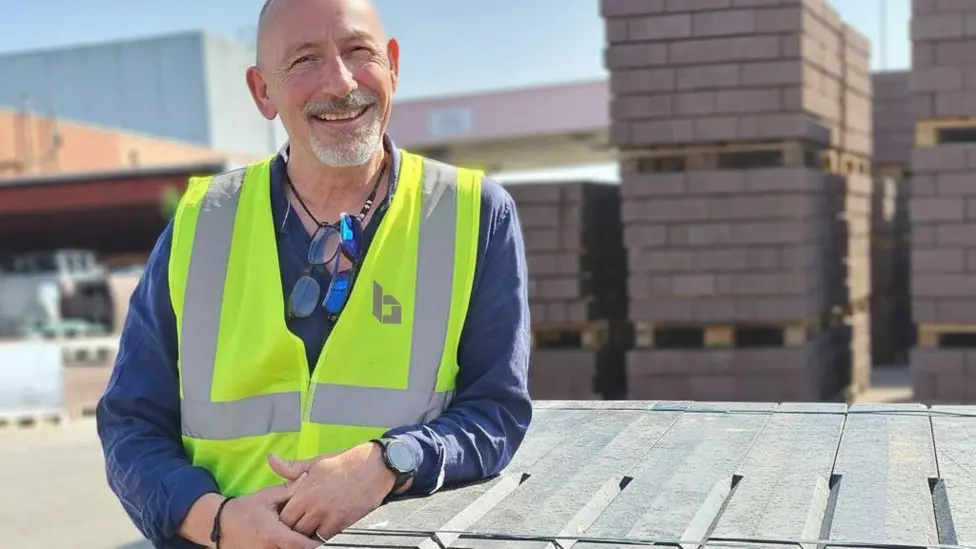
Our circular economy approach has gained wider attention in recent years. We’re now working with councils, public spaces, hospitals and businesses in every industry to help them achieve ever-demanding sustainability criteria. We’ve even been featured by BBC News, celebrating our recycling process.
Where We’re Making an Impact
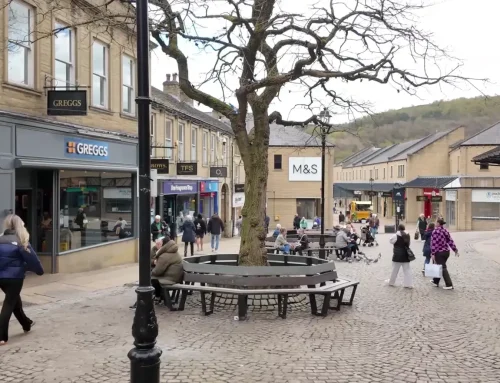
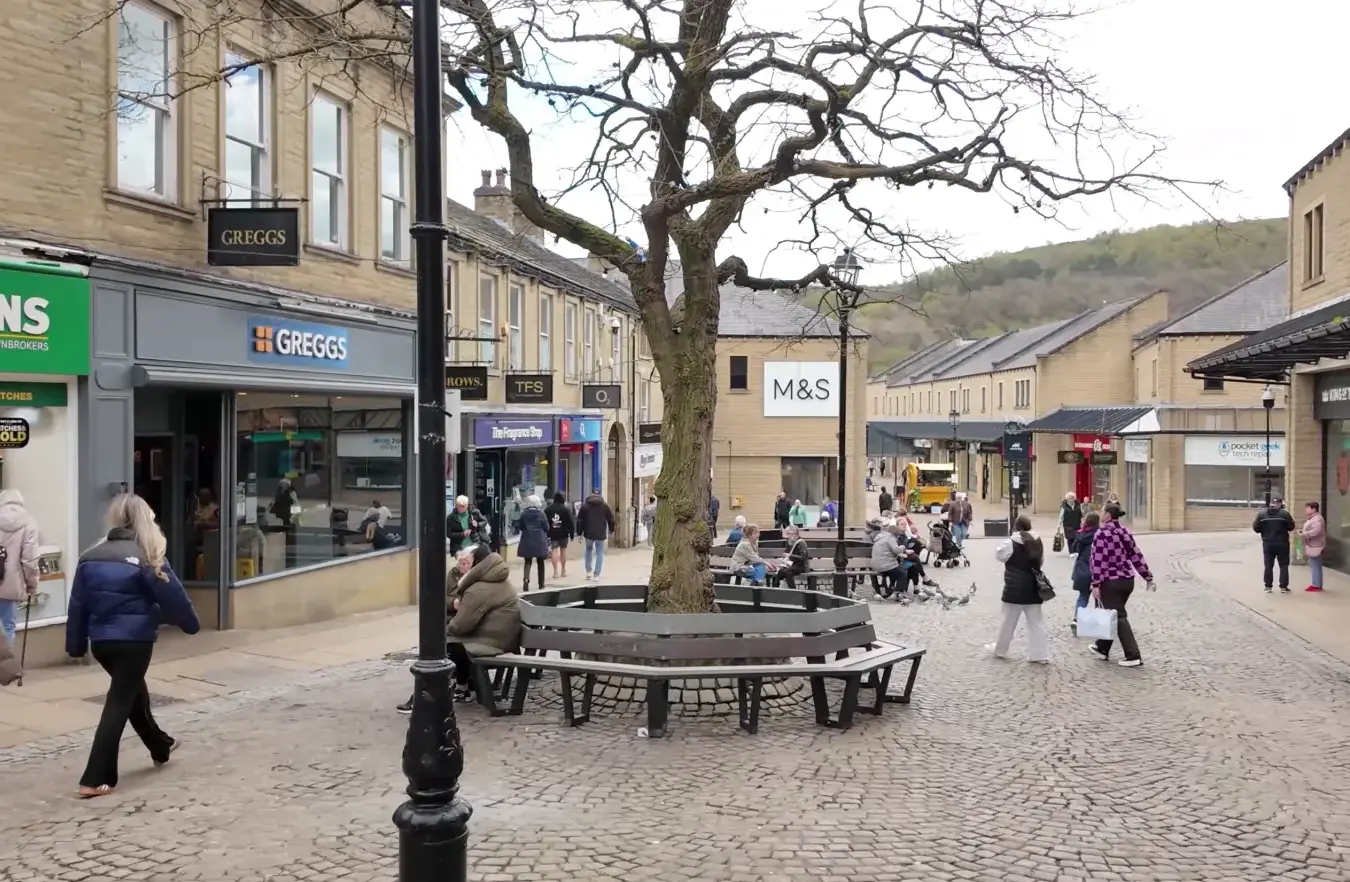
Certain sectors have naturally gravitated towards our products to help with budgets and sustainability targets. Education is a huge sector for us, and we have specialist picnic benches, accessibility furniture, and more, all being used in schools across the country. Our recycled plastic furniture is perfect for school playgrounds, where safety is key (wooden benches and raised beds are prone to splintering and cracking, which may cause minor injuries day-to-day).
We also work with large environmental charities like the RSPB and Wildlife Trusts who are driven by strategic sustainability decisions. We also supply to the Ministry of Defence – everything from pub benches in RAF bases to posts for infantry bayonet training.
These sectors really value the ‘fix it and forget it’ benefit of our low-maintenance recycled plastic lumber.
Back To Our Origin: Rethinking Plastic in the Garden
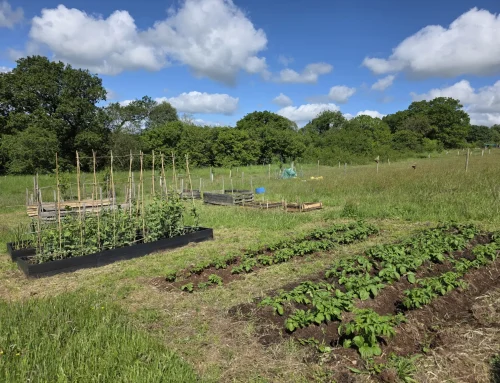
While our purpose quickly became something larger than just household outdoor spaces, our products work just as well in large-scale projects as they do in the average British garden.
Plastic in gardening is often viewed negatively, and understandably so. Microplastics can have a huge impact on soil quality and plant growth.
But when flexible plastic waste is transformed into a dense, rigid structure, its properties change. Instead of fragmenting or degrading, it becomes stable, long-term infrastructure — designed to stay in place for decades. In its new form, it prevents existing material from breaking down elsewhere in the environment.
People also ask about the safety of using our plastic in their gardens — particularly when growing food. As we want to be as safe and as sustainable as possible, we’ve had our products assessed for heavy metals and other contaminants in line with EU soil and groundwater standards. The results showed extremely low or below detectable levels, well within strict environmental limits. This includes those harsher restrictions applied to children’s play areas.
In practical terms, that means our recycled plastic is considered totally safe and suitable for use in gardens, allotments, community spaces, and even schools.
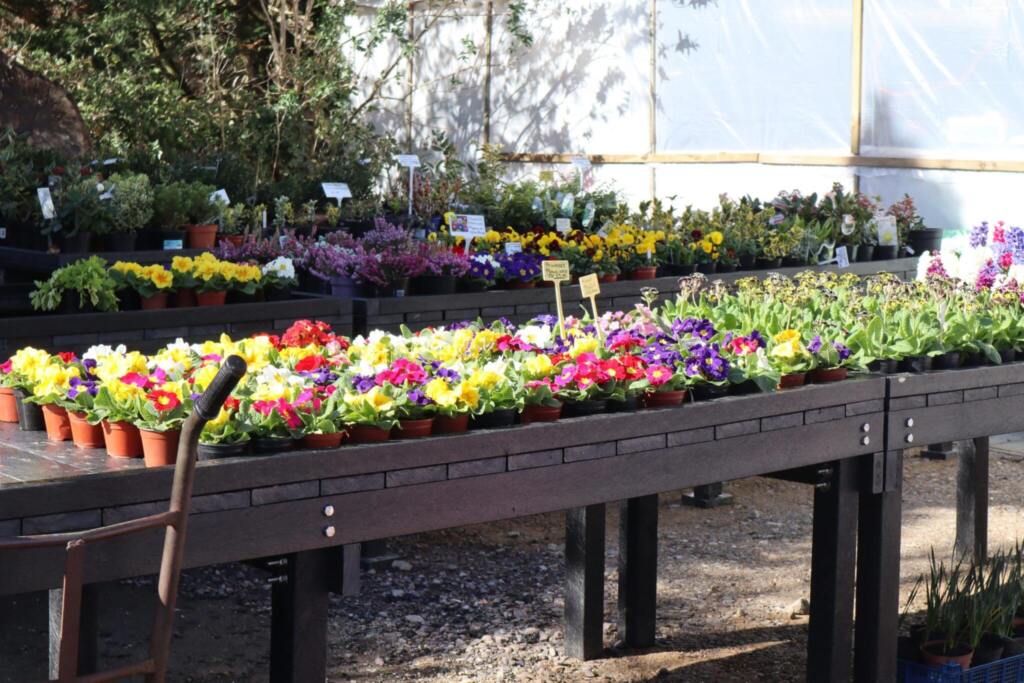
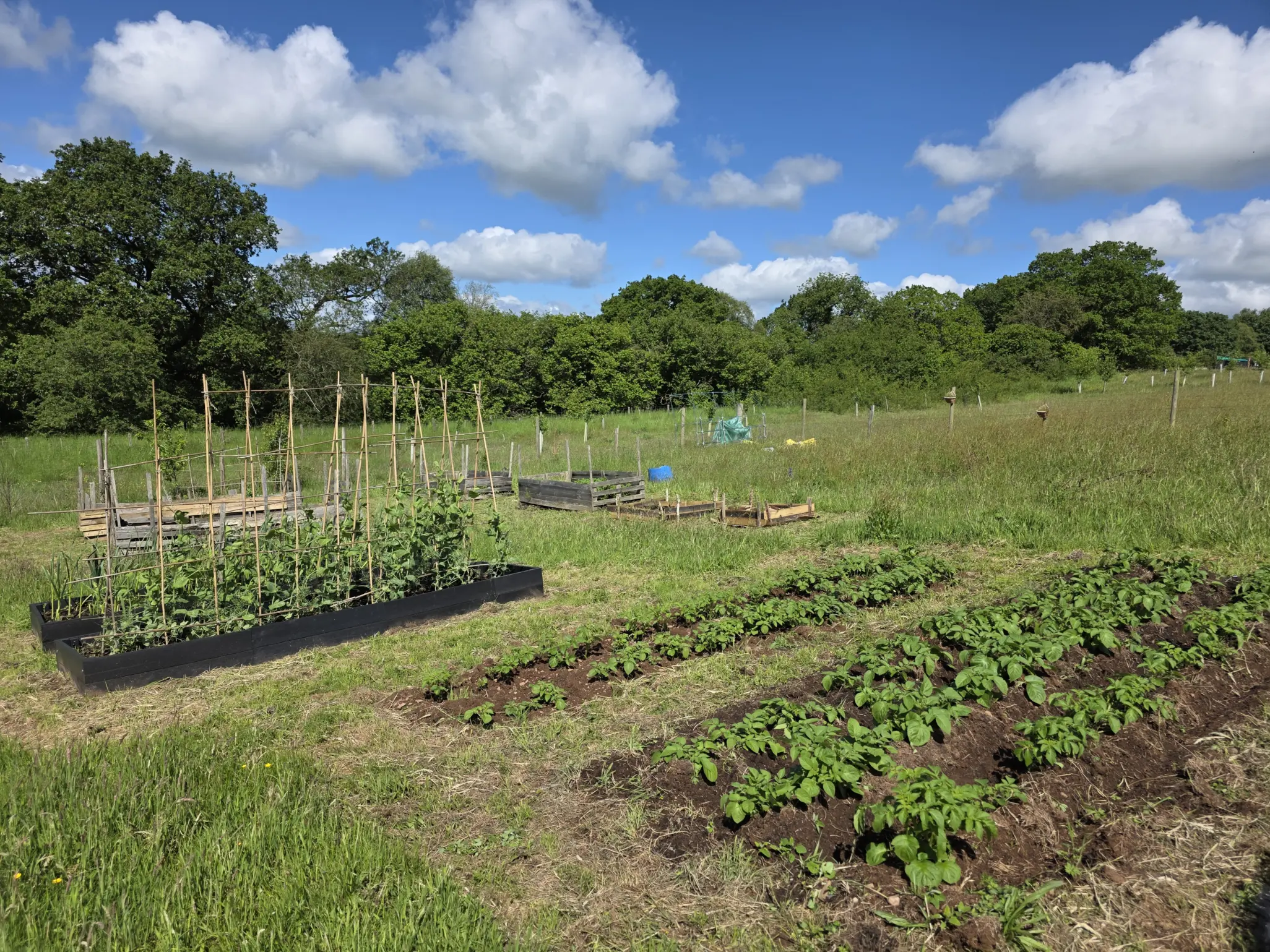
But we don’t want our plastic to be the star of the show in any garden; we want it to be the ‘coaster’. We offer plastic lumber in a number of shades to blend nicely into the background, letting your plants take all the limelight. Plus, our black lumber acts as a thermal store, warming the soil faster and extending the growing season.
A Simple Idea That Still Guides Us
British Recycled Plastic didn’t begin as a grand environmental mission. It started with a practical problem — how to build outdoor spaces that actually last.
The environmental benefits came naturally as we solved that problem well.
Today, that same idea still guides everything we do: take existing materials, use them better, and create products that stand the test of time.
Our products have achieved more than we ever planned, too. One of the most rewarding parts of our journey has been seeing how people use these materials in practice.
Customers start with a raised bed, a seating area, a growing space — and over time, those projects evolve. Soil improves, planting becomes more ambitious, and spaces take on a life of their own. Community gardens, school projects, and home growers alike are building spaces that are designed not just for now, but for decades to come.
That’s the part we haven’t manufactured: The positive impact, the long-term thinking, creativity, and connection.
Looking Ahead
“I’d like to see more emphasis on teaching sustainability in its broadest sense—recognizing that we have a finite set of resources on one planet…I’d like to see people value trees enough to leave them in the ground to clean the air and provide homes for wildlife, while using recycled plastic for the heavy lifting of infrastructure.”
If you’d like to know more about our mission, or would like to understand how we can help on your next project, our friendly team are ready to help: [email protected] or 01422 419 555.
Written by the British Recycled Plastic Team
Updated July 2026
Yes, British Recycled Plastic can cut your material to your specified sizes for a small charge (see price list).
Recycled Plastic and Composite materials typically combine different elements, like wood fibres and plastics, for enhanced strength and durability. However, due to their composition, composites can’t be easily recycled. On the other hand, recycled plastic, like that from British Recycled Plastic, originates solely from reused plastic, making it fully recyclable and a more sustainable choice. It lasts longer, offers eco-friendly benefits, and can be continually recycled, minimizing environmental impact. Choose British Recycled Plastic for durable, sustainable solutions that make a lasting difference.
British Recycled Plastic is made from 100% uk plastic waste.
Our recycled plastic is made with a wide variety of plastic waste products from industrial, commercial, agricultural and domestic sources. These materials are shredded, melted and mixed together to create our incredibly strong plastic lumber.
The most common plastic types used are High Density Polyethylene, Low Density Polyethylene, Polypropylene and Polythene. These are all members of the Polyolefin family, so mix well together at the same temperature.
These materials form 99% of the content. They are mixed with 1% masterbatch, for colour control, which is also made from entirely recycled material.
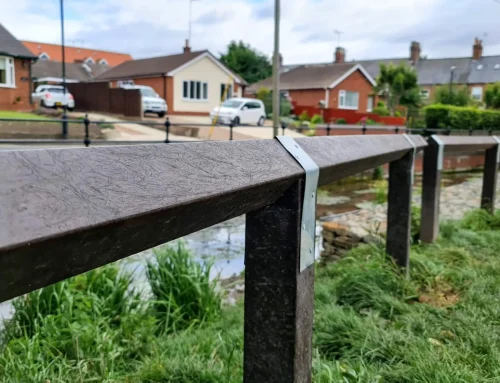
Recycled plastic lumber is a sustainable alternative to timber is is typically just as strong, if not stronger than wood. It is widely used in applications where timber would traditionally be used however, due to its dense, non-porous composition, it is longer-lasting and low maintenance. Unlike wood, British Recycled Plastic lumber won’t rot, splinter, split or warp.
British Recycled Plastic provide a range of accessibility-focused outdoor furniture, including wheelchair-accessible picnic tables, benches designed for reduced mobility, and easy-access walkways. Our products are crafted to ensure inclusivity and comfort for all users. Made from 100% recycled materials, British Recycled Plastic furniture is weatherproof, maintenance-free, and built to last for decades. To find out more about our range, give us a call at 01422 419 555—we’re happy to help!
93% of the grid is an open structure, meaning that the vast majority of rain that falls on them heads straight back to the water table, rather than being forced into an overburdened drainage system, as would be the case with tarmac.
Any method of “slowing the flow” of rain water reduces the risk and subsequent impact of flooding.
Yes, British Recycled Plastic garden furniture is specifically designed to be left outside all year round. Unlike wood or metal, our recycled plastic furniture is completely weatherproof and built to withstand the harshest outdoor conditions, including rain, snow, frost, and UV exposure.
Here’s why it’s perfect for outdoor use:
– Weather Resistance: It won’t rot, warp, crack, or rust, even in extreme weather conditions.
– UV Stability: The colour is built into the material and won’t fade in the sun.
– Low Maintenance: No need to cover or store it during winter—just give it a quick clean when needed.
With British Recycled Plastic garden furniture, you can enjoy durable, sustainable, and hassle-free outdoor furniture that stays looking great, whatever the weather.
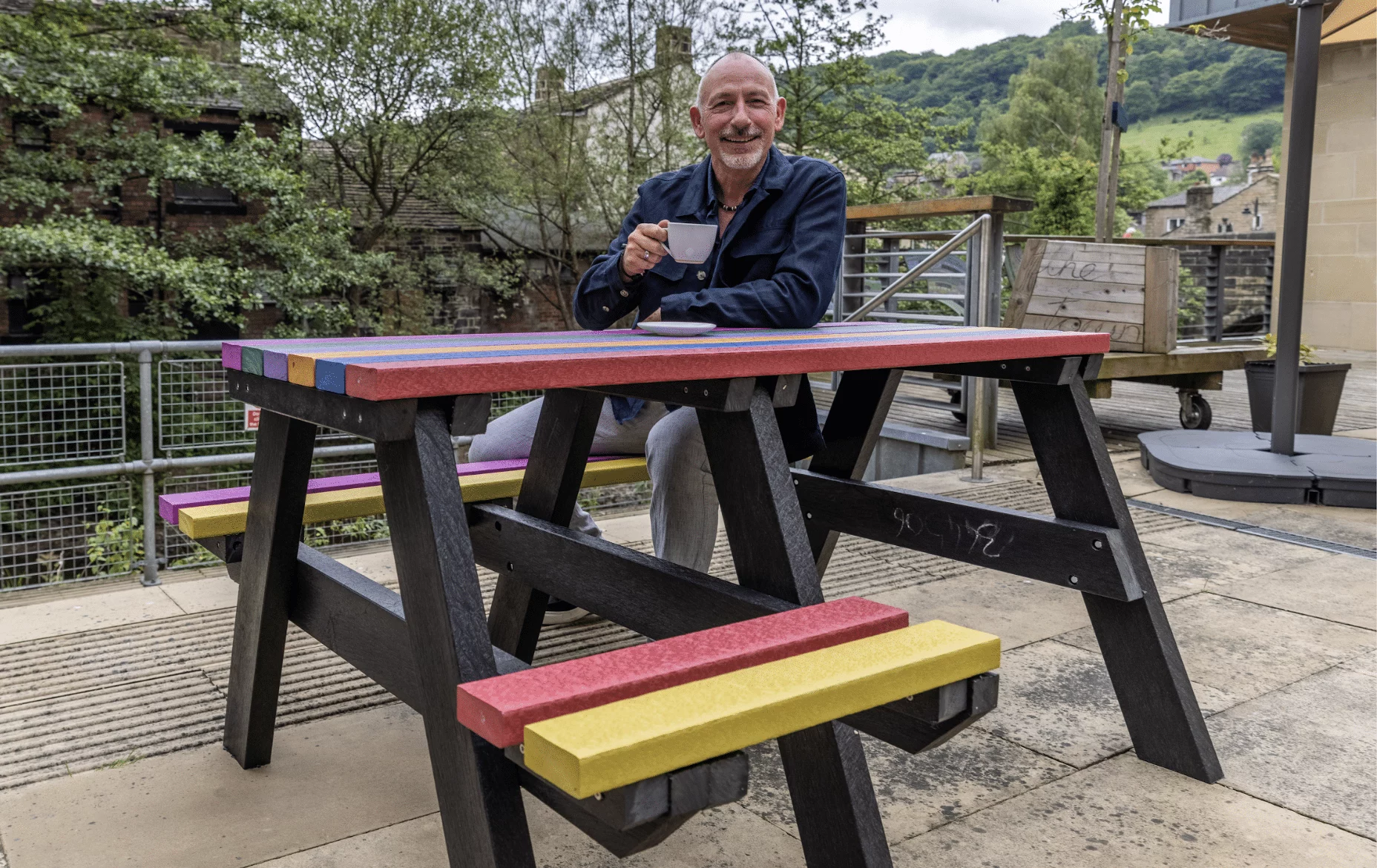
Painting British Recycled Plastic garden furniture is not recommended or indeed needed. Unlike wooden garden furniture, recycled plastic plastic garden furniture is designed to be low-maintenance and retain its colour without the need for painting or staining. One of the many benefits of our garden furniture is its long-lasting, fade-resistant color. Our furniture is available in a variety of colors (even rainbow!) to suit any outdoor space, so there’s no need for additional painting. Opting for recycled plastic garden furniture ensures you get a durable, weather-resistant, and eco-friendly product that looks great for years with minimal effort. For a vibrant, long-lasting, value added alternative to traditional options, choose recycled plastic garden furniture over painted outdoor furniture
British Recycled Plastic picnic tables are either fully black, fully brown or with black or brown frames and seats and tops in any combination of blue, red, forest green, lilac, pink, orange, grey and bright lime.