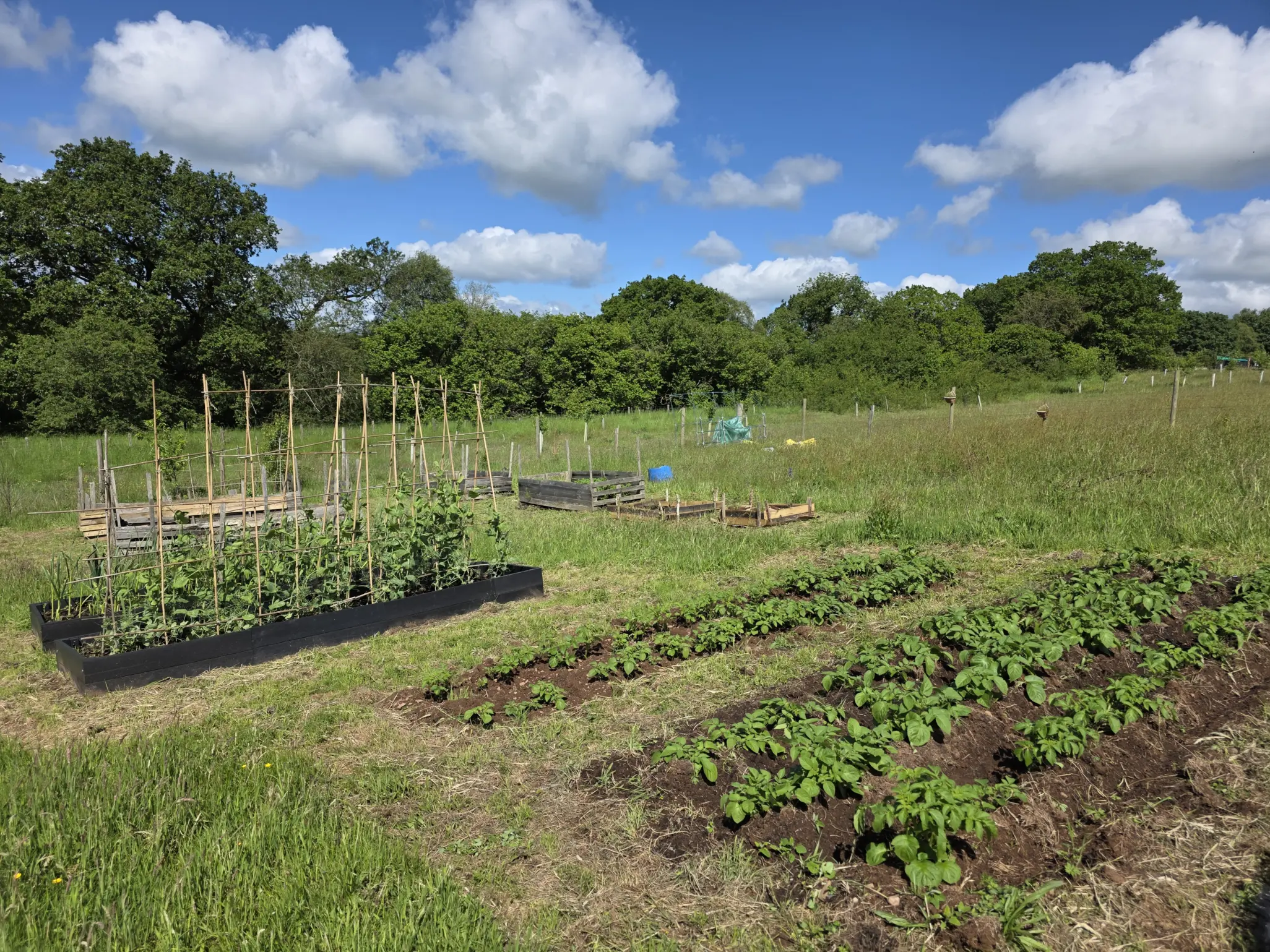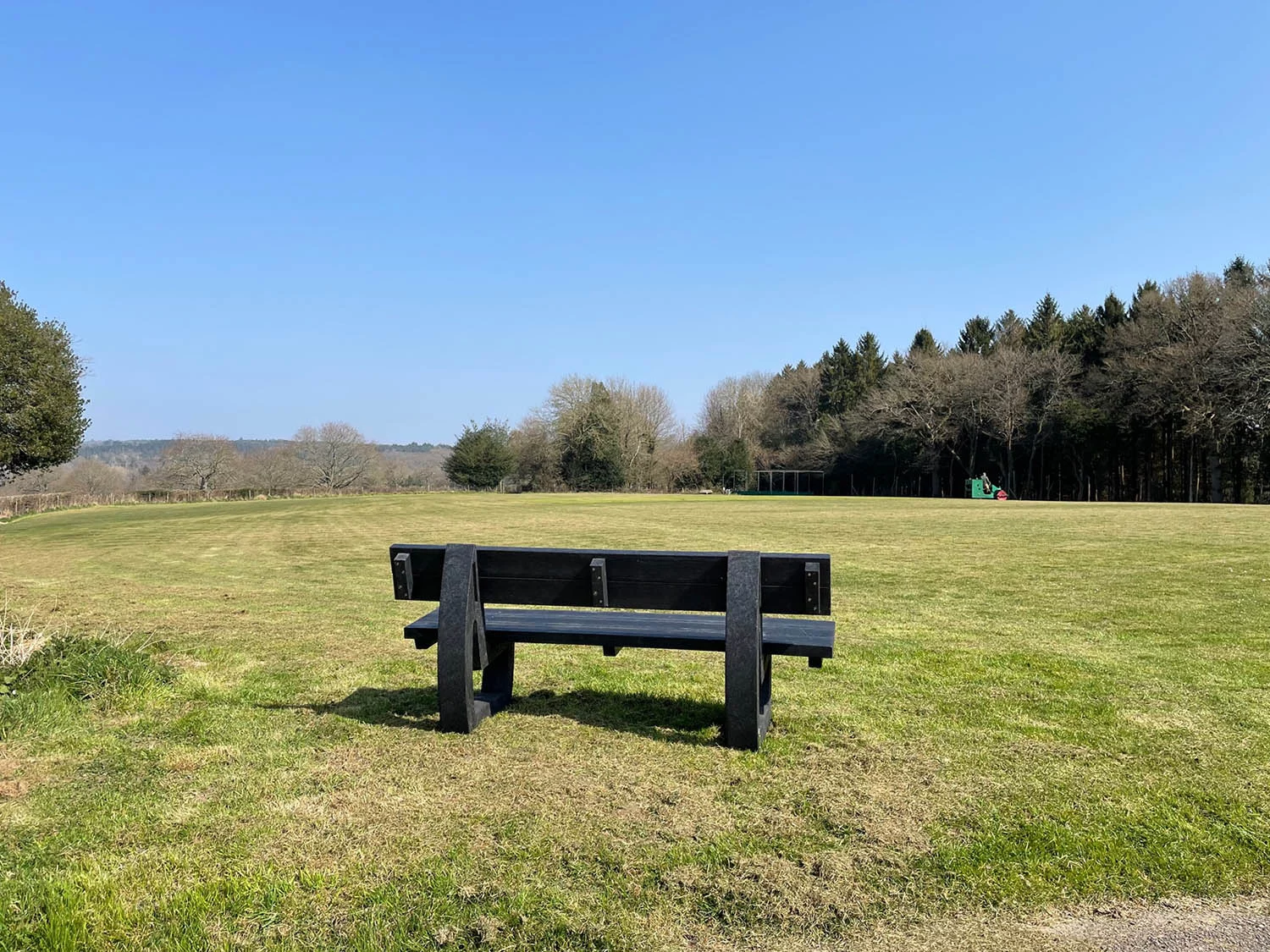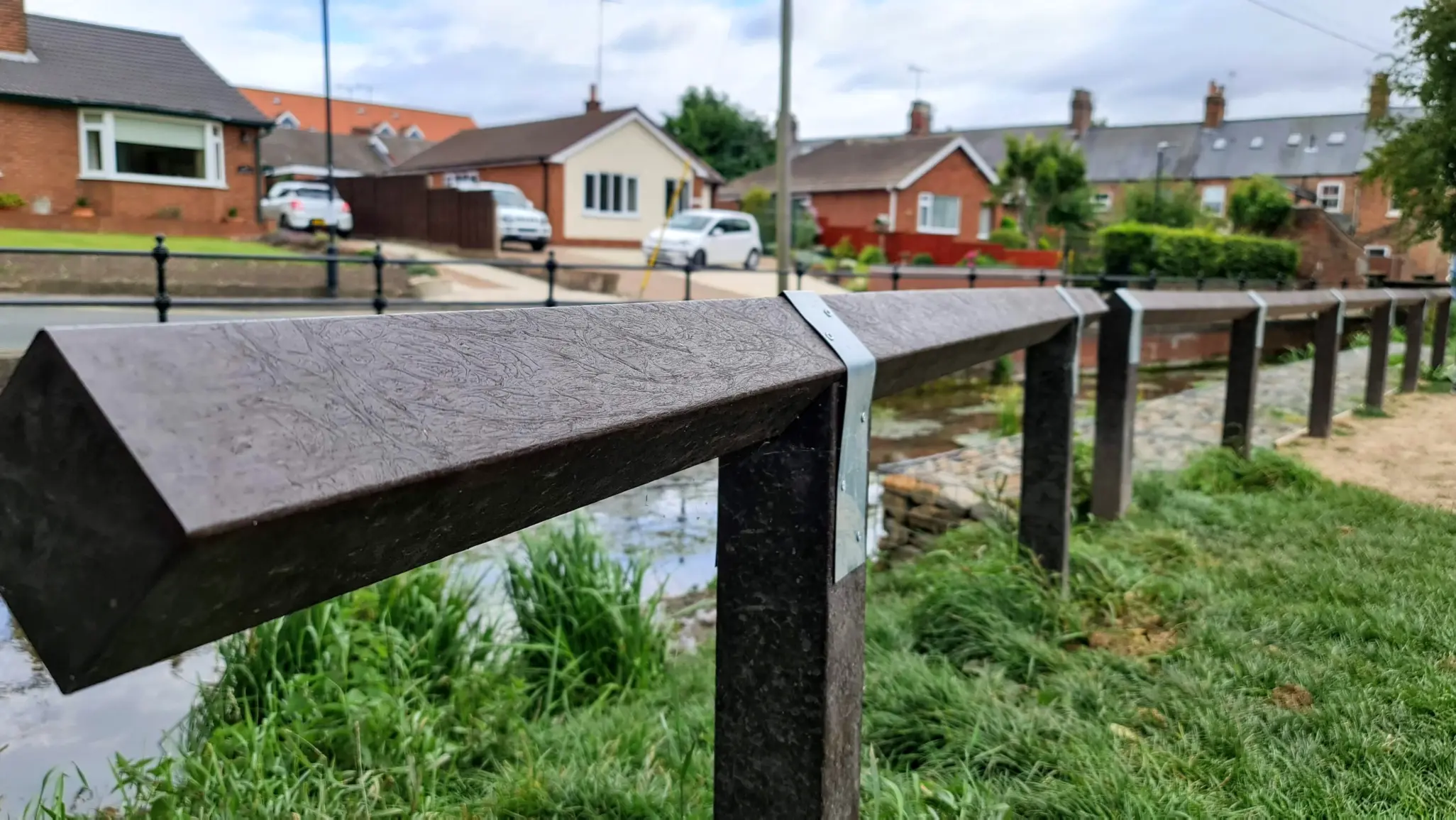

Discover how sustainable gardening starts with the materials you use. This guide explores why recycled plastic raised beds, planters, and garden structures are becoming a smarter long-term choice for eco-conscious gardeners. From improved durability and soil stability to low maintenance and climate resilience, recycled plastic offers practical benefits while supporting sustainable gardening practices and reducing landfill waste.
- Recycled plastic raised beds are rot-proof, non-porous, and maintenance-free
- Helps protect soil health and supports no-dig gardening methods
- Long-lasting materials reduce waste and replacement costs
- Safe for food growing with independently tested low leaching levels
- Supports sustainable gardening and climate-resilient outdoor spaces
When we talk about sustainable gardening, the focus is usually on what we grow and how — peat-free compost, wildlife-friendly planting, or reducing chemical use. But one of the biggest barriers to creating a truly sustainable garden is often overlooked: the materials we use to build it.
Gardeners care deeply about soil health and ecosystems, yet the structures that support them — raised beds, planters, and compost bins — are often replaced every few years with little thought for their wider impact. Every planter, bench, or bin begins with resources taken from one place, transported to another, and finally ends up in a landfill.
And this is where recycled plastic can change the game for those who already think they’re practising sustainable gardening. In this British Recycled Plastic blog, we look at the impact of using recycled plastic and provide useful hints and tips for developing a sustainable garden.
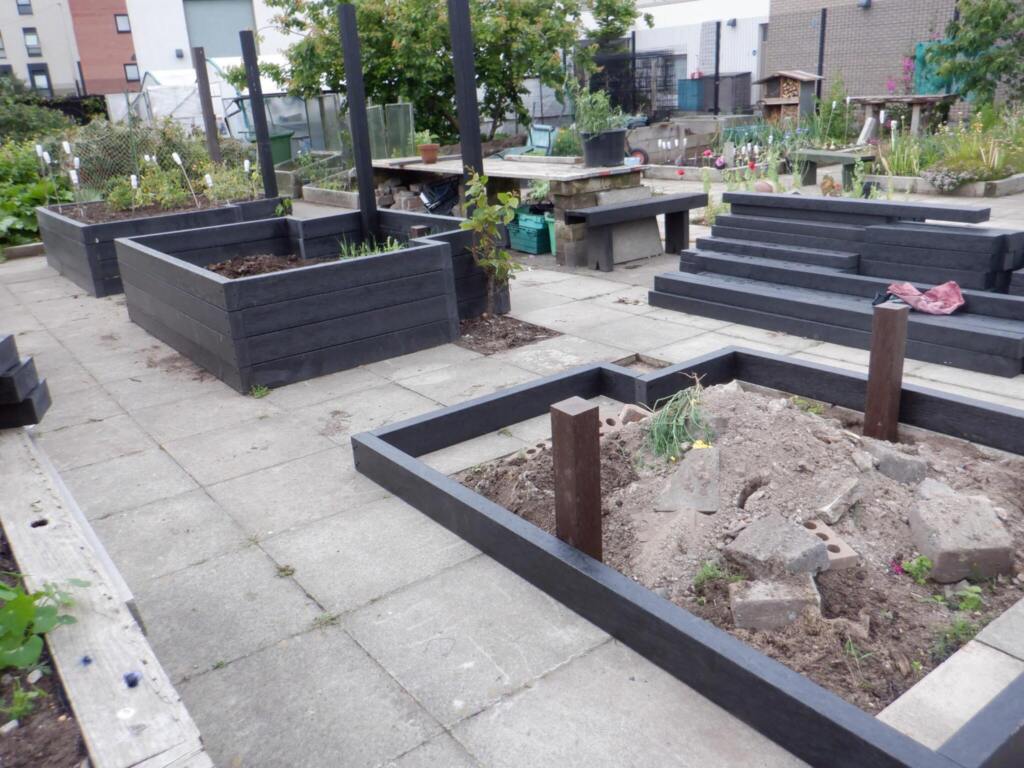
5 Reasons To Choose Recycled Plastic For Your Garden
Recycled plastics feel like a contradictory choice for sustainable gardening. After all, it’s a processed material. But when we deep dive into the greater benefits, recycled plastic offers practicality, cost-effectiveness, and environmental support for your garden.
1. It’s non-porous
Using timber for your planters, fencing, and raised beds is the typical choice. But did you know that timber could be absorbing nutrients from the soil that your plants need? It can also harbour contaminants, which then feed into your soil, ultimately impacting the health of your crop. And by treating the timber to avoid this, preservatives can interfere with your grow.
Recycled plastic lumber is non-porous, which means the material cannot absorb anything from your crops. There’s no need for treatments or preservatives either, so soil won’t be affected by the material. Whatever nutrients and extras you add to your soil for your plants, you can rest assured that these are the only things feeding them, and there’s no residual feed being absorbed by the planter itself.
2. It lasts decades longer than timber (25-year guarantee included)
The best argument for recycled plastic over wood is its long lifespan. Unlike timber, our recycled plastic gardening structures won’t rot, warp or splinter over time, which means there’s no rebuilding or replacements required.
Equally important is stability. Since recycled plastic flower beds won’t require rebuilding, soil ecosystems remain largely undisturbed. Fungal networks, beneficial microbes and carefully improved soil structure can develop year after year without disruption — an advantage particularly valued by gardeners practising no-dig or regenerative growing.
3. Wipes clean
There’s no need for additional treatments, painting or jet-washing when it comes to maintaining recycled plastic in the garden. The non-porous material makes it difficult for dirt, graffiti or moss to build up, but if it does, a quick wipe clean with warm soapy water ensures it looks just as good year 10 as it does on day 1.
4. Thermal properties
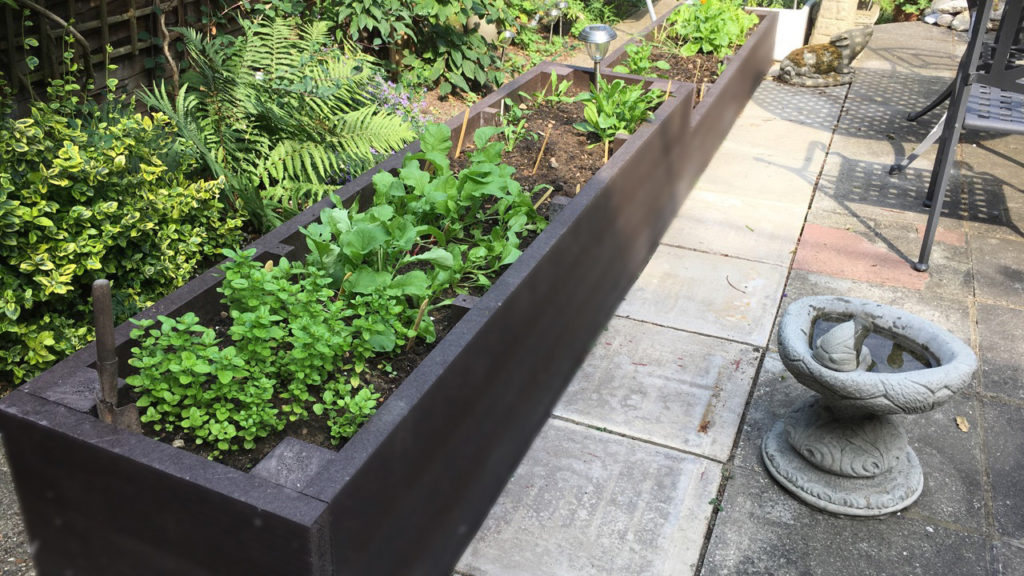
One unexpected benefit of using recycled plastic raised beds for sustainable gardening over traditional timber ones is the thermal performance. Dark recycled plastic absorbs warmth and acts as a thermal store, gently raising soil temperatures in early spring and late autumn. This often allows slightly earlier sowing and extends the growing season.
5. Structure and sustainability through climate change
Gardeners are already adapting to shifting weather patterns — warmer winters, sudden cold snaps and heavier rainfall. Structuring growing spaces with long-lasting materials like recycled plastic can help manage these changes by improving drainage and soil stability.
Sustainable gardening increasingly means designing spaces that adapt to change rather than constantly repairing after the effects.
The Microplastics Question
One of the most common questions we’re asked is about microplastics and leaching — especially when people are growing food. It’s a fair concern: If we care about soil health, we need confidence in the materials that surround it.
At British Recycled Plastic, we aim to provide honest, open data on microplastics so people can understand these issues fully.
When flexible plastic waste is transformed into a dense, rigid, long-life structure, its environmental behaviour changes. Rather than flexing or fragmenting, it becomes a stable infrastructure designed to remain in place for decades — keeping existing material safely in circulation instead of allowing it to break down elsewhere.
We’ve had our products tested for leaching by an independent laboratory to ensure we comply with EU soil and groundwater regulations. This testing assesses our material for heavy metals, PAHs, PCBs and mineral oil hydrocarbons. The results were extremely positive; either extremely low or below detectable levels. This means our products sit comfortably within strict environmental limits, including specific standards applied to soils used on children’s playgrounds.
British Recycled Plastic is completely safe for use in sustainable gardening.
A Wider Movement: Sustainable Innovation In Gardening
Recycled materials are only one part of a broader shift happening in horticulture. Across the UK, growers, designers and innovators are exploring peat alternatives, regenerative soil systems, biodiversity-led planting and low-impact materials. These approaches reflect a shift away from disposable gardening.
Here at British Recycled Plastic, we want sustainable gardening to be accessible to everyone. If you’re looking to understand more about practical growing and managing soil, you can check out our free online resources. Our guides about dye gardens and permaculture have been created in collaboration with permaculture consultant Martyna Krol, gardener KT Shepherd and Huw Richards. We also support schools and community organisations through regular giveaways, helping young people experience sustainability in action.
Sustainability in Real Gardens
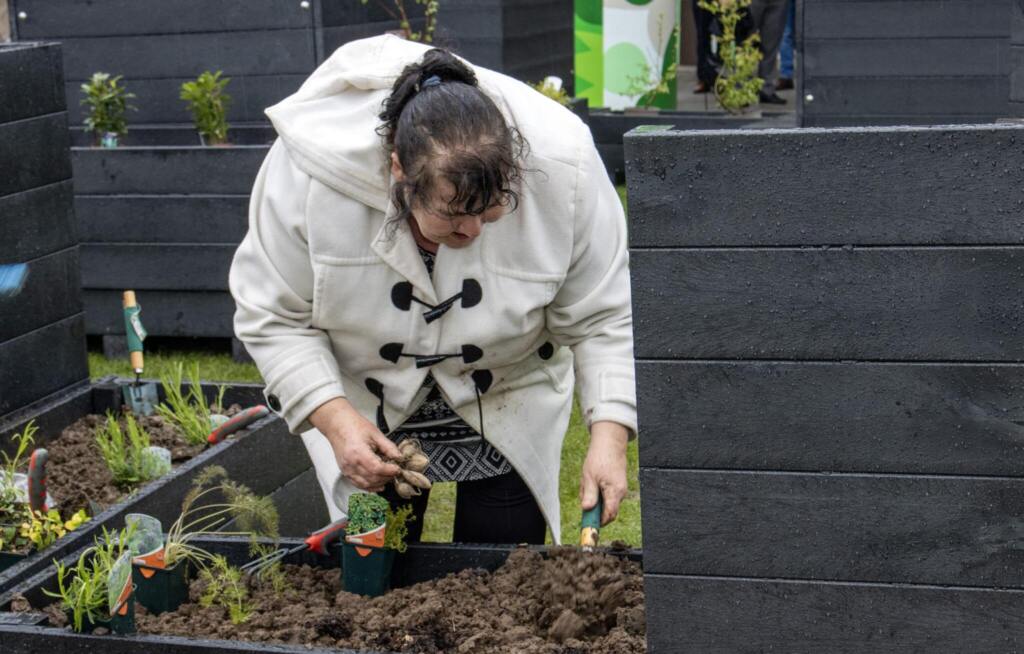
At British Recycled Plastics, we love hearing about the innovative things our customers are doing with recycled plastic. Some of the most inspiring examples come from everyday gardeners adapting spaces with long-term environmental thinking in mind. Living roofs have been created using permeable ground grids, community tributes built for NHS staff, and thriving growing spaces developed in both rural and urban settings — all shaped by practical creativity rather than rigid design rules.
One of the greatest rewards is seeing how sustainable gardening projects evolve. Gardeners often begin with a single idea and gradually expand it, improving soil systems, refining layouts and sharing knowledge locally. The real success lies not in the installation itself, but in knowing these spaces will support people and wildlife for decades.
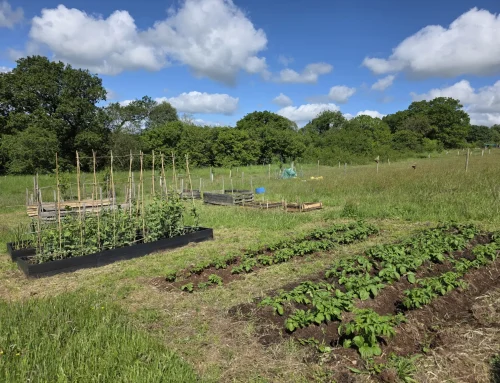
One donated raised-bed project, for example, has grown into a no-dig garden based on a six-year crop rotation cycle. Local volunteers grow food collaboratively while experimenting with natural plant protection and traditional remedies, guided by a forager and educator exploring the use of locally gathered plants for food and medicine.
Sustainable Gardening: Where to start
Sustainable change rarely requires dramatic redesign. Small decisions — repairing rather than replacing, choosing materials with a clear end-of-life pathway, improving soil health, or designing spaces to evolve over decades — can collectively make a meaningful difference. Gardens are powerful agents of environmental change precisely because they grow gradually, shaped by thoughtful choices over time.
Looking Ahead
Gardeners already understand cycles — growth, decay and renewal — and applying that thinking to the materials we use feels like a natural next step. Jason Elliot, our Founder, often refers back to a question his mother asked him as a child: “Where do you think rubbish goes?” The truth is, nothing truly disappears; it simply moves somewhere else.
By extending the same care to the materials beneath our plants as we do to the plants themselves, gardens can quietly show how living well with the resources we already have might help shape a more sustainable future.
If you’re ready to rethink how you work within your garden, you can speak to our friendly team about how small changes can make the biggest difference in sustainable gardening:
Email: [email protected], or give us a call on 01422 419 555
Written by the British Recycled Plastic team
April 2026
Due to the very heavy weight of these and all of our other products, they are sent out strapped to pallets through the national road haulage network. Due to the kit form, even 3.5 metre long raised beds are stacked on individual pallets making them suitable for relatively small delivery vehicles that can in turn access narrow lanes.
No, they are only available direct from us. Please email your enquiries to [email protected] or call us on our freephone number of 01422 419 555 and let our expert team know what you’re interested in and where you are. We are available 5 days a week.
Do I need to buy a kit or can I make my own by just buying the lumber and fixing it together myself?
You can do either. If you have specific dimensions you wish to fill, you may prefer to buy full lengths and cut them to your exact requirements, saving a little money in the process. If you want something easy to assemble, pre-cut and with fixings supplied, a flat-packed kit is probably best for you.
Not at all.
One of the most common questions we’re asked is about leaching — especially when people are growing food. It’s a fair concern. If we care about soil health, we need confidence in the materials that surround it.
Independent laboratory testing under EU soil and groundwater regulations assessed the material for heavy metals, PAHs, PCBs and mineral oil hydrocarbons. The results were either extremely low or below detectable levels, all comfortably within strict environmental limits, including standards applied to soils used on children’s playgrounds
What this reinforces for us is that when flexible plastic waste is transformed into a dense, rigid, long-life structure, its environmental behaviour changes. It is no longer subject to constant abrasion or movement. Instead, it becomes stable infrastructure designed to remain in place for decades — keeping existing material safely in circulation rather than allowing it to fragment or be discarded elsewhere.
The recycled plastic acts as a thermal store, retaining heat and allowing for earlier germination.
Raised beds made from recycled plastic will last for many decades, maybe even 100 years, but ours come with a 25-year guarantee.
Recycled plastic lumber should always be stored laid flat on delivery, until you start work on it. It’s best to just leave everything on the pallet.
300mm is good general height for those people who are able to kneel while tending the bed; 600mm is the perfect height for wheelchair users and 750mm is a good height for those who would prefer to stand without bending too much.
500mm wide kits are perfect for those people who have only access to their raised beds from one side, for example if they are on the edge of a garden or against a wall, whereas 1 metre wide beds are ideal when access is possible from all around the raised bed.
There are a number of materials to choose from once you’ve decided that raised beds are for you. Wood is readily available and easy to work with but even when treated it rots quickly and is by far the least long lasting option. Sleepers are more durable but heavy and difficult to cut. They may also have been treated with preservatives in the past which will leak into your soil making it toxic. Bricks need a building expert on hand to ensure a safe construction and can also leak toxic lime into your soil. Concrete blocks will leave you needing either machinery or a strong team of helpers to put into place.
Recycled plastic raised beds are a permanent, maintenance-free option that come in an easy-to-construct kit. No heavy lifting, no plant hire and no team of body-builders required