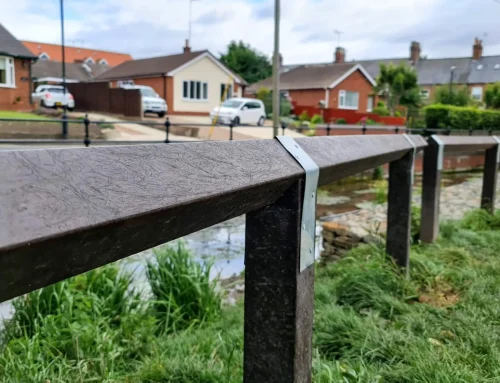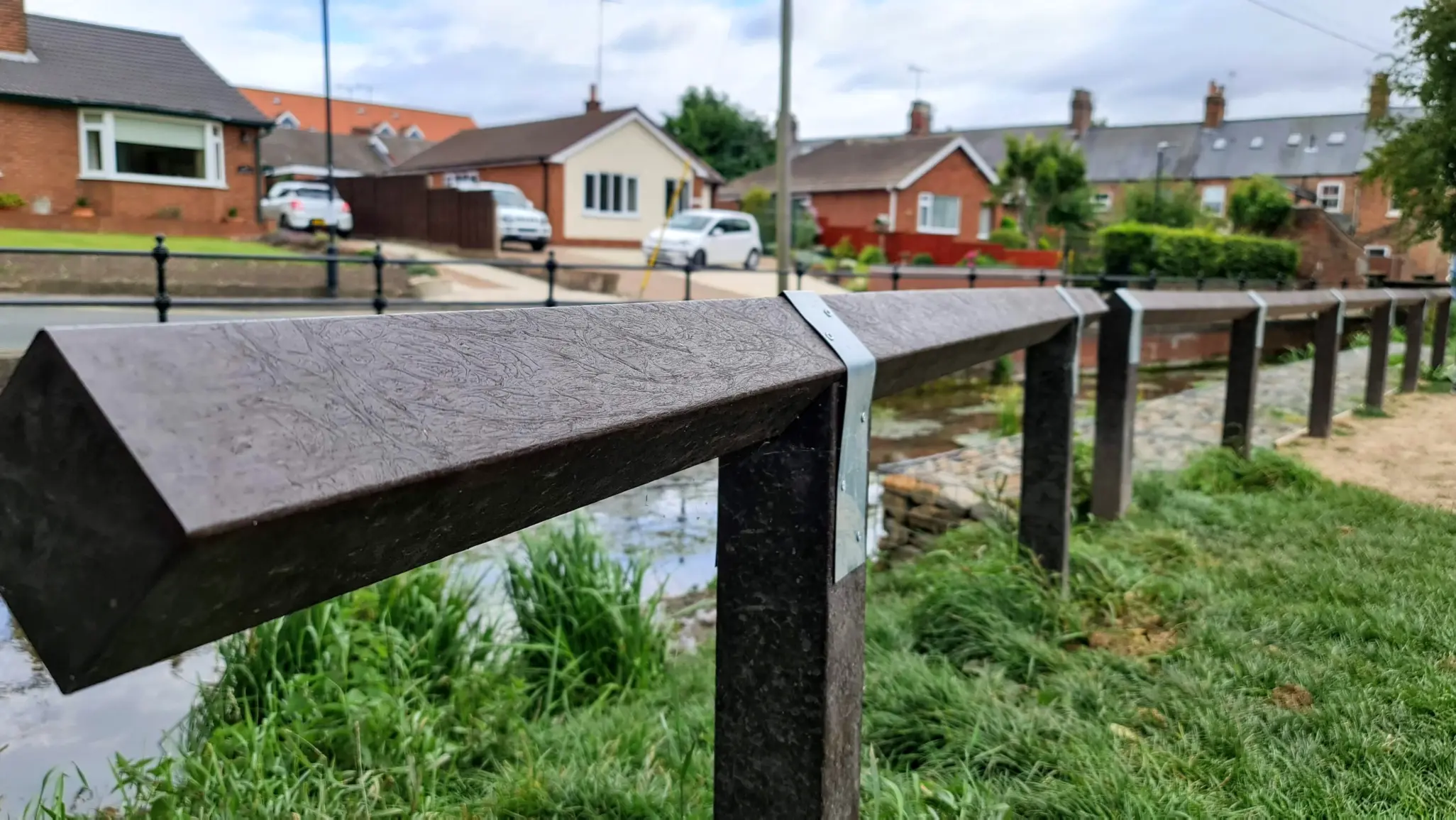
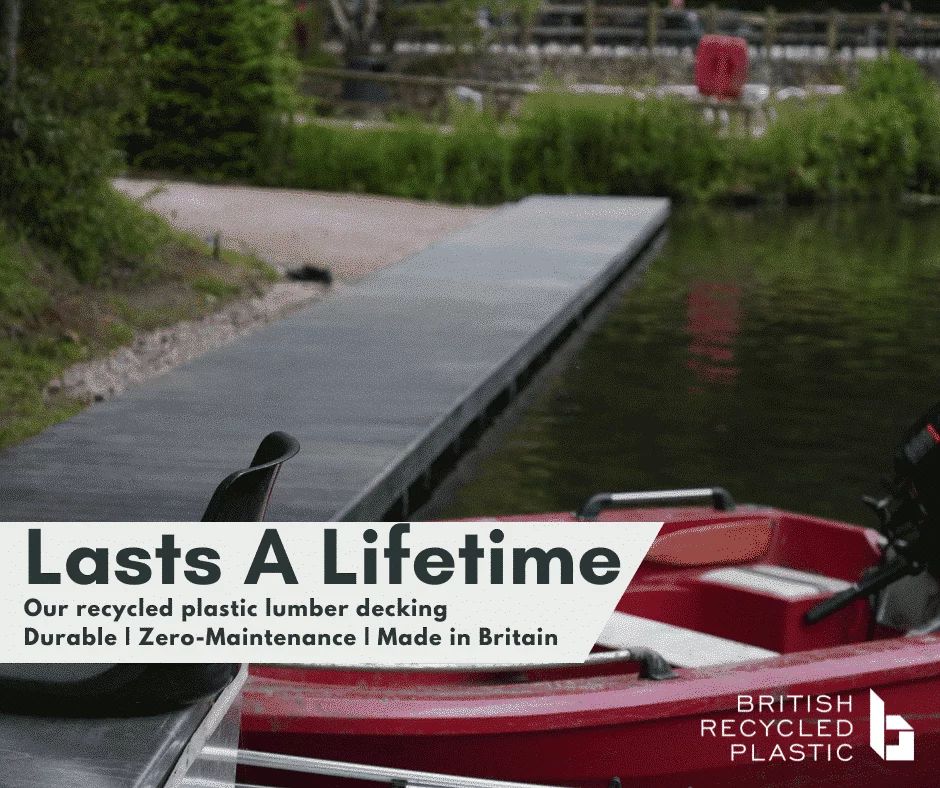
While recycled plastic vs wood often costs more upfront than wood, it delivers far greater long-term value. Unlike timber, it won’t rot, warp, splinter, or require regular staining and repairs, making it a durable, low-maintenance solution for outdoor projects. Over time, recycled plastic reduces replacement costs, saves labour, and provides a more sustainable alternative — which is why organisations like the National Trust use it for boardwalks, bridges, and outdoor infrastructure.
Table of Contents
- Wood is cheaper initially, but often needs replacing every 5–10 years
- Timber requires ongoing maintenance – staining, sealing, and repairs
- Recycled plastic vs wood won’t rot, warp, or attract insects
- Minimal maintenance saves time and money over the long term
- Lower lifetime cost despite the higher upfront price
- Trusted by the National Trust for outdoor projects
- Less disruption to wildlife and landscapes compared with repeated timber replacement
- More sustainable choice – made from recycled plastic and built to last decades
When it comes to choosing materials for your outdoor projects, the battle between recycled plastic vs wood is a common one. While wood offers a classic aesthetic, recycled plastic is emerging as a strong contender. Recycled plastic lumber often comes with a higher upfront cost compared to wood. However, there’s a crucial aspect to consider – long-term value.
Here’s a breakdown to help you understand the true cost-benefit of choosing recycled plastic vs wood.
The Hidden Costs of Wood vs Recycled Plastic
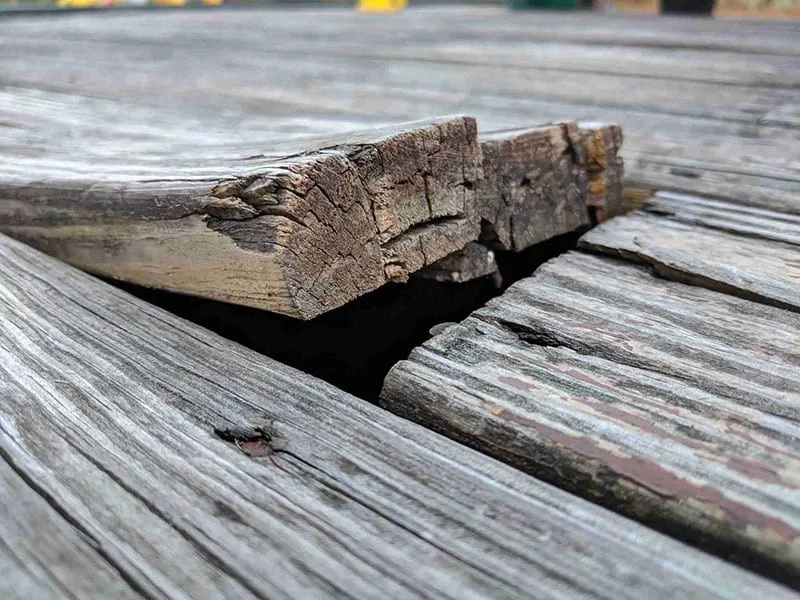
Wood, even treated varieties, succumb to harsh weather conditions. You might find yourself replacing decks, fences, or furniture every 5-10 years. This translates to recurring material and labour costs. Wood vs recycled plastic requires regular upkeep. Staining, varnishing, and resealing are frequent tasks to maintain its appearance and prevent rot. These processes add to the overall cost over time.
The Long-Term Benefits of Recycled Plastic vs Wood
Recycled Plastic vs Wood: Durable and Lasting
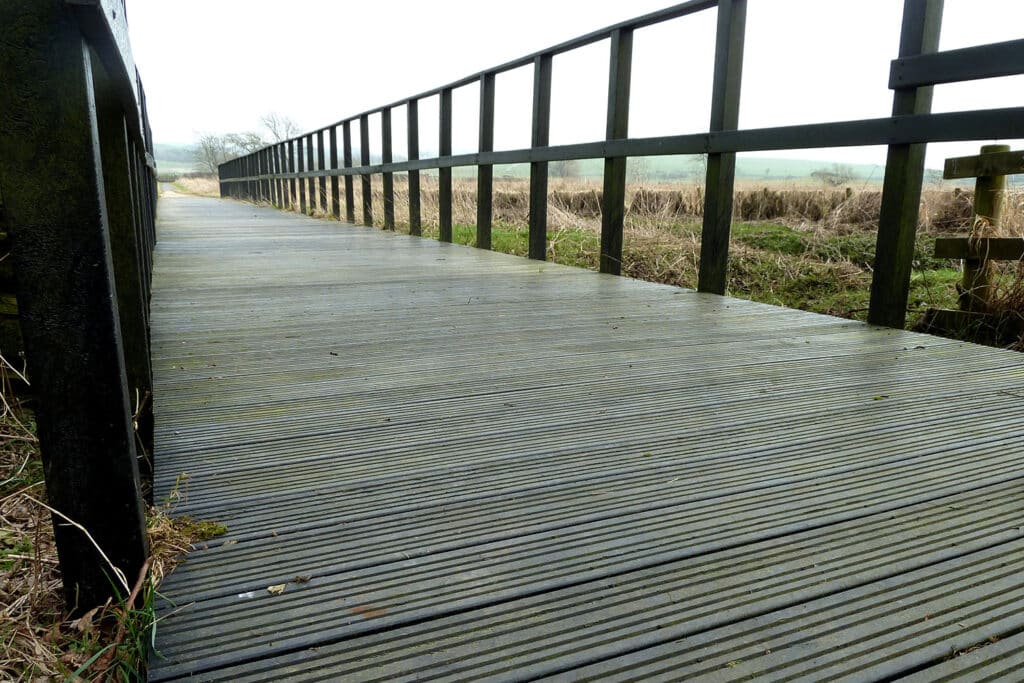
Recycled plastic artificial lumber is built to endure. It’s resistant to rot, warping, and insect damage, significantly reducing the need for replacements. Think of it as an investment that lasts a lifetime.
Maintenance for Recycled Plastic vs Wood
Say goodbye to constant staining and sealing! Recycled plastic wood requires minimal maintenance, saving you time and money in the long run.
Investment Rather Than a Product
Yes, the initial cost of recycled plastic vs wood might be higher. But when you factor in the eliminated replacement and maintenance expenses over its extended lifespan, recycled plastic becomes the clear winner in terms of cost-effectiveness.
Real-World Success: National Trust Blickling Estate
How does recycled plastic lumber perform in real-world heritage environments? The benefits of recycled plastic vs wood aren’t just theoretical – they’re proven in practice.
National Trust Ranger, Ash, explains how the Blickling Estate in North Norfolk transformed their approach by switching from timber to recycled plastic lumber wherever possible.
The speed at which timber rotted meant that, not only were they spending members’ money on constantly replacing structures, they were also dedicating large amounts of time to ongoing maintenance, particularly around safety-critical installations.
What Are The Wildlife Benefits of Using Recycled Plastic vs Timber?
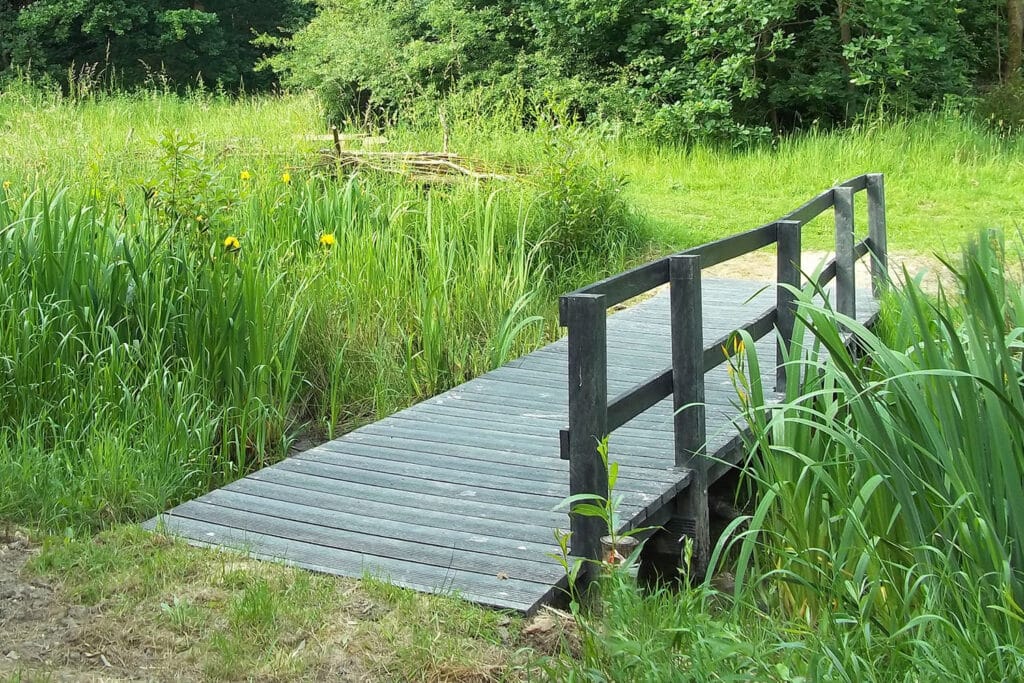
Changing to recycled plastic artificial lumber for bridges, pathways, fishing platforms and outdoor furniture has revolutionised their operations, with the added benefit of not disturbing the estate’s wildlife with constant interventions.
Watch Ash explain the transformation in our case study video.
As proud and longstanding official suppliers of the National Trust, British Recycled Plastic works hand in hand to find the best recycled plastic wood solutions, backing everything up with a robust 25-year guarantee that demonstrates our confidence in the durability and longevity of our recycled plastic lumber products.

Positives All Round For British Recycled Plastic
Don’t be fooled by the initial price tag. Recycled plastic furniture and artificial lumber offers a smart investment for your outdoor projects. Its durability, low maintenance needs, and long lifespan translate to significant cost savings in the long run. Plus, you’re contributing to a more sustainable future. Watch here How We Make Recycled Plastic Lumber. Our lumber, and all our products are:
- Sustainable Solution – You’re giving new life to plastic waste, minimising environmental impact.
- Low Maintenance – Enjoy your outdoor space without the hassle of constant upkeep.
- Long-lasting – Recycled plastic retains its look for years, saving you time and money.
Let’s work together to create a greener, more sustainable future for our schools and communities.
Email: [email protected] or give us a call on 01422 419 555
Written by the British Recycled Plastic Team
Updated May 2026
British Recycled Plastic’s plastic lumber can be used in just about any project where wood and timber would be the go-to choice. The advantages of using plastic lumber are:
- There’s no risk of rotting, splintering, or warping
- It’s UV-resistant, staying looking fresh for longer
- No treatments, painting or preserving required
- Fully sustainable
- Wipes cleans
- Comes with a 25-year guarantee
Traditional timber comes with a long-term, repair and replace cycle, which recycled plastic lumber removes entirely. While the upfront cost is often a deterrent, it is more cost-effective over time.
Recycled plastic works like wood in most scenarios, but how you work with the material differs and factors such as thermal expansion need to be considered. Its crucial that you follow our technical Guidance on our Lumber Page.
For example, we would never recommend stapling, nailing or welding plastic lumber. At British Recycled Plastic, we always suggest pre-drilling holes and using mechanical fixings.
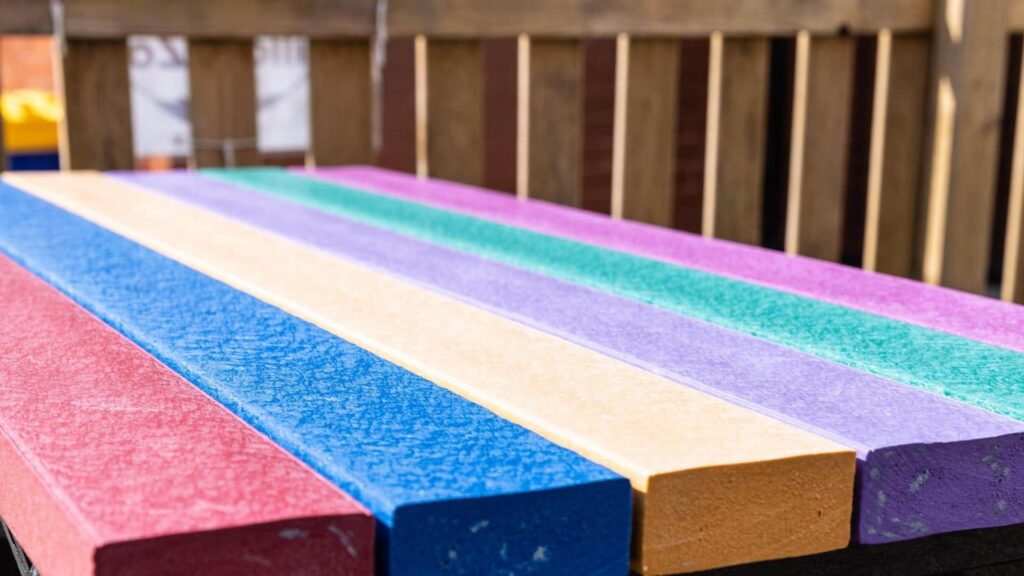
You don’t need to paint plastic lumber. Our recycled plastic lumber is available in a range of colours, reducing the need for painting or finishing. While it is technically possible to paint recycled plastic, the material has a non-porous surface, meaning paint does not adhere well and is likely to peel or flake over time.
British Recycled Plastic lumber is designed to retain its colour and appearance without painting, staining, or sealing. With built-in UV resistance and long-term durability, recycled plastic lumber maintains its look for years, making it a low-maintenance alternative to traditional timber.
Recycled plastic lumber is a long-lasting, low-maintenance alternative to traditional timber, manufactured from 100% recycled plastic materials. Designed for durability, it resists rot, moisture, insects, and weather damage, making it ideal for outdoor uses such as decking, fencing, garden furniture, and landscaping structures. Unlike wood, recycled plastic lumber does not require painting, staining, or ongoing treatment, reducing both maintenance costs and labour over time.
As a sustainable building material, British Recycled Plastic’s goal is to help divert waste from landfills and support a circular economy, transforming used plastics into high-performance construction products. It offers the natural appearance of wood while delivering superior longevity, making it a practical and environmentally responsible choice for residential, commercial, and public space projects.
The best fixings for plastic lumber, and the only fixings we recommend at British Recycled Plastic, are stainless steel bolts and screws. Whether that’s for boardwalks, platforms or anything else. Nails, staples and other fixings won’t bite into the material, correcting and will quickly need replacing.
We advise against burying a screwing plastic lumber directly because stainless steel screws are relatively soft for the extremely dense plastic. Driving a screw straight in without a pilot hole could cause the screw to strip, snap or bind too tightly, making it difficult to remove later down the line. A simple pilot hole removes this risk, making installation far easier.
How To Properly Size A Pilot Hole
When you drill plastic lumber, the pilot hole should match the diameter of the screw shank – not the thread. This ensures the screw goes in smoothly without excessive force and provides a clean and consistent result every time.
You can find out more detailed information on cutting, drilling and screwing plastic lumber in our British Recycled Plastic guide.
Yes, British Recycled Plastic can cut your material to your specified sizes for a small charge (see price list).