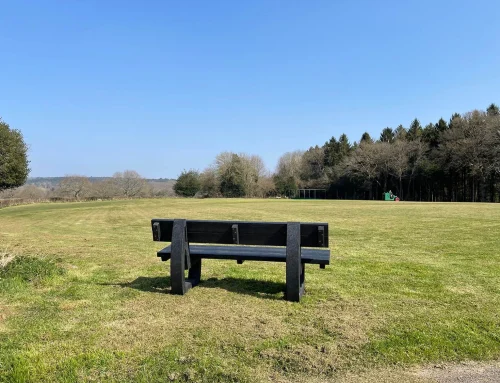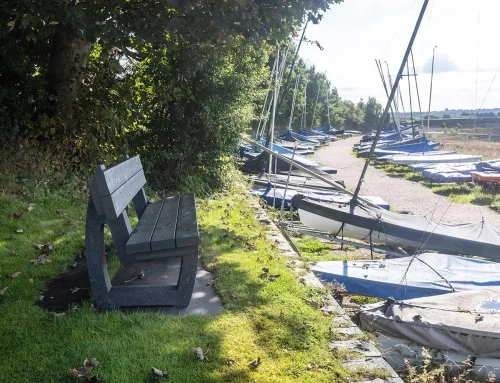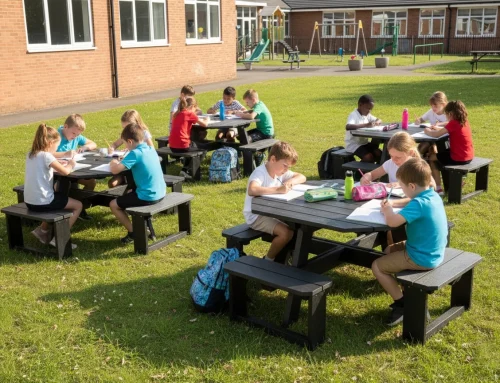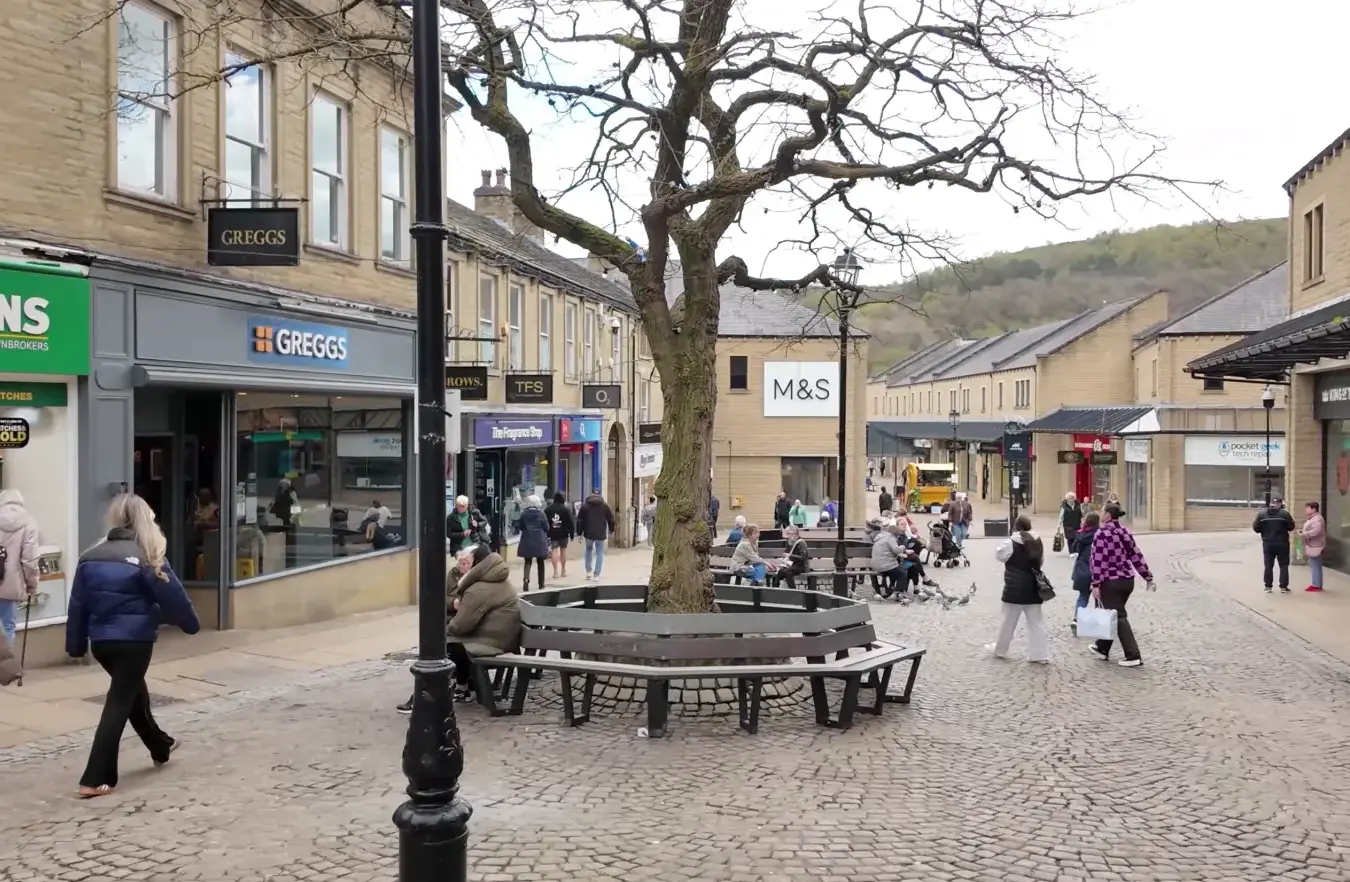
Outdoor wooden benches are vulnerable to rot from the moment they’re installed. The British climate – with its persistent damp (even in summer) and freeze-thaw cycles – gives wood limited drying time, which accelerates wood decay. This is a big issue where benches are outdoor year-round on streets, in urban spaces, schools or nature reserves.
This post won’t tell you how to stop a wooden bench from rotting because it is inevitable. However, there are effective ways to slow rot and extend bench life. We’ll also discuss the signs a bench is past saving, and why an increasing number of organisations are choosing recycled plastic benches to sidestep the problem entirely.
Table of Contents
- Signs a bench may be rotting include softness or discolouration, cracks, loose joints and wobbling.
- Wooden benches will eventually rot outdoors because moisture penetrates the wood, particularly around legs, joints and cut ends.
- Annual treatment, good drainage and regular inspections can slow rot, but they cannot eliminate the need for ongoing maintenance.
- Recycled plastic benches won’t rot, and don’t need painting, staining or preservative treatment.
- British Recycled Plastic benches come with a 25-year guarantee and are designed as a low-maintenance, long-term alternative to timber.
Why Wooden Benches Rot
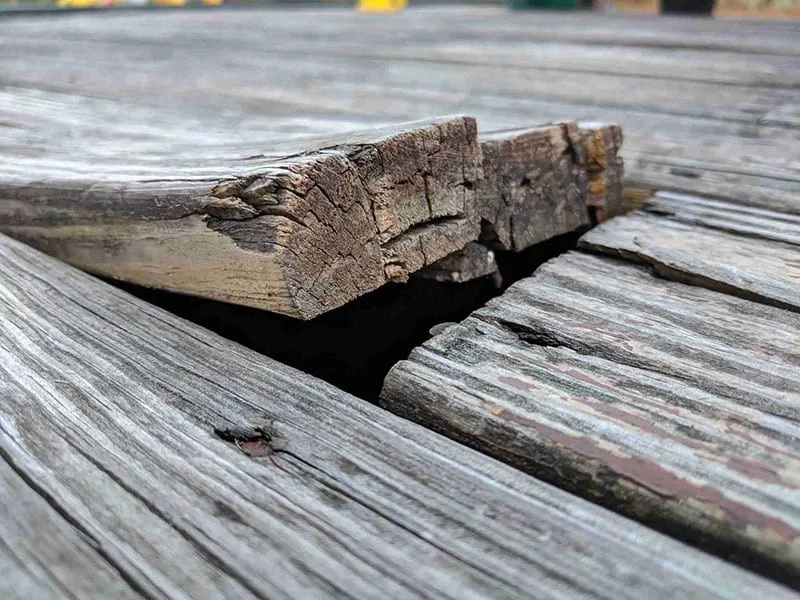
Wooden benches are porous, meaning they’re prone to moisture penetration where water enters the wood grain and creates the perfect conditions for fungal decay. So when asking ‘how to stop a wooden bench from rotting’, unfortunately there’s no perfect solution.
Benches installed on wet soil or grass rot faster because the legs provide an ideal entry point for water. Benches on these surfaces will rot much faster than those on paving or gravel.
If you’re looking for the best wood for outdoor benches, steer away from softwoods like pine and spruce, as they rot faster. Hardwoods like oak, teak and cedar have natural oils and tannins which make them more moisture-resistant. However, even well-treated hardwoods will still require annual re-treatments and maintenance to avoid rotting.
How to Slow Down Bench Rot — What Actually Works
You can’t completely stop wood rotting – especially when using it outdoors in our wet and unpredictable climate. But there are a few things that help to slow down the process, to keep your wooden bench in place for longer.
1. Choose the right wood from the start
As mentioned above, it’s best to choose more rot-resistant hardwoods like teak, cedar, oak and mahogany. Teak is the most durable for outdoor benches thanks to its natural oils, but it’s also expensive. When using softwoods like pine, the wood will need to be pressure-treated prior to use to extend the lifespan. Even with these additional treatments, however, wooden outdoor benches will require frequent maintenance.
2. Apply a protective finish every year
This is the best way to slow the wood rotting process down. Using an exterior-grade wood preserver, like teak oil or linseed oil, and a UV-resistant varnish can seal up the grain to prevent moisture from getting through. Focus most on coating the end grain, such as cut ends, joints, and anywhere the leg meets a mounting point, as this is where moisture will be absorbed the fastest.
It’s recommended these treatments are done at least once a year, or twice for benches in exposed areas.
3. Keep legs off wet ground
Direct contact with wet soil or grass is one of the fastest ways for water to enter the wood and start the rotting process. Adding rubber or metal feet to the bottom of the bench can help to create airflow and stop moisture travelling up the legs. Alternatively, you can place a layer of gravel or a paving slab under each leg.
It’s also worth keeping benches away from wet walls or fences. Anywhere that water is able to collect on a rainy day.
4. Improve drainage and airflow around the bench
Water pooling around bench legs, on the surface or at the back of the bench can create a significant rot risk. Try to position benches on well-draining surfaces and avoid low-lying areas where puddles are able to form and linger after rain.
5. Inspect the bench regularly, treat problems early
The best way to prevent your wooden bench from rotting is to regularly monitor it and treat any small problems that arise early.
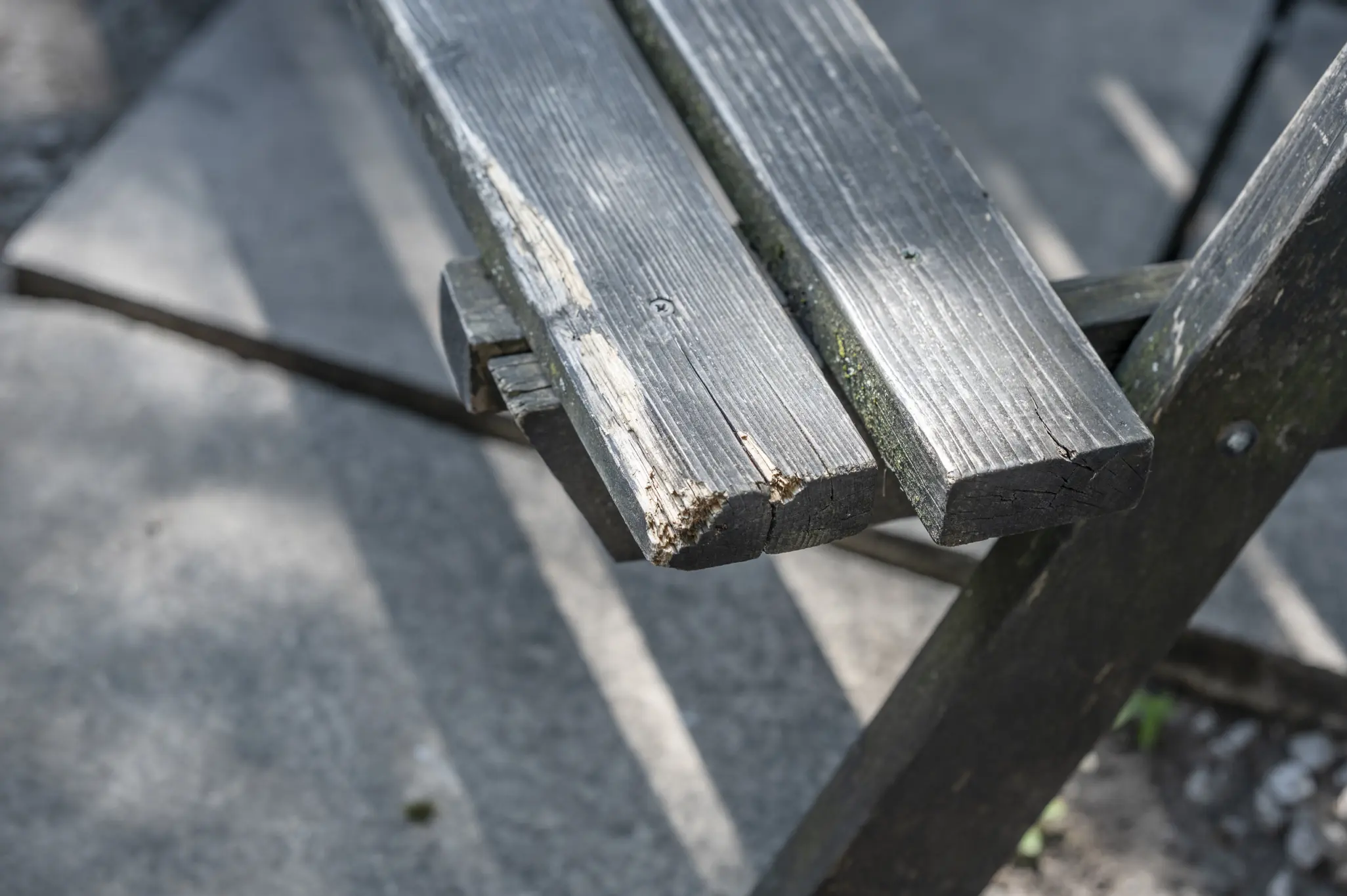
Identifying any softness, discolouration, or cracks before they become a bigger problem can help you stretch the lifespan of your wooden bench. Similarly, if the bench starts to feel a little wobbly or loose around the joints and fixings, it’s time to act.
To fix these problems, a light sanding can help to remove the surface damage. Then, allow the wood to dry thoroughly before re-treating and resealing.
6. Winter care
Where possible, it’s better to store wooden benches indoors over the colder months or cover them with a waterproof casing. This will significantly extend their lifespan. If it’s not possible to move or cover the benches, a full re-treatment at the end of the warmer months should help keep them protected during the winter.
When To Replace A Wooden Bench
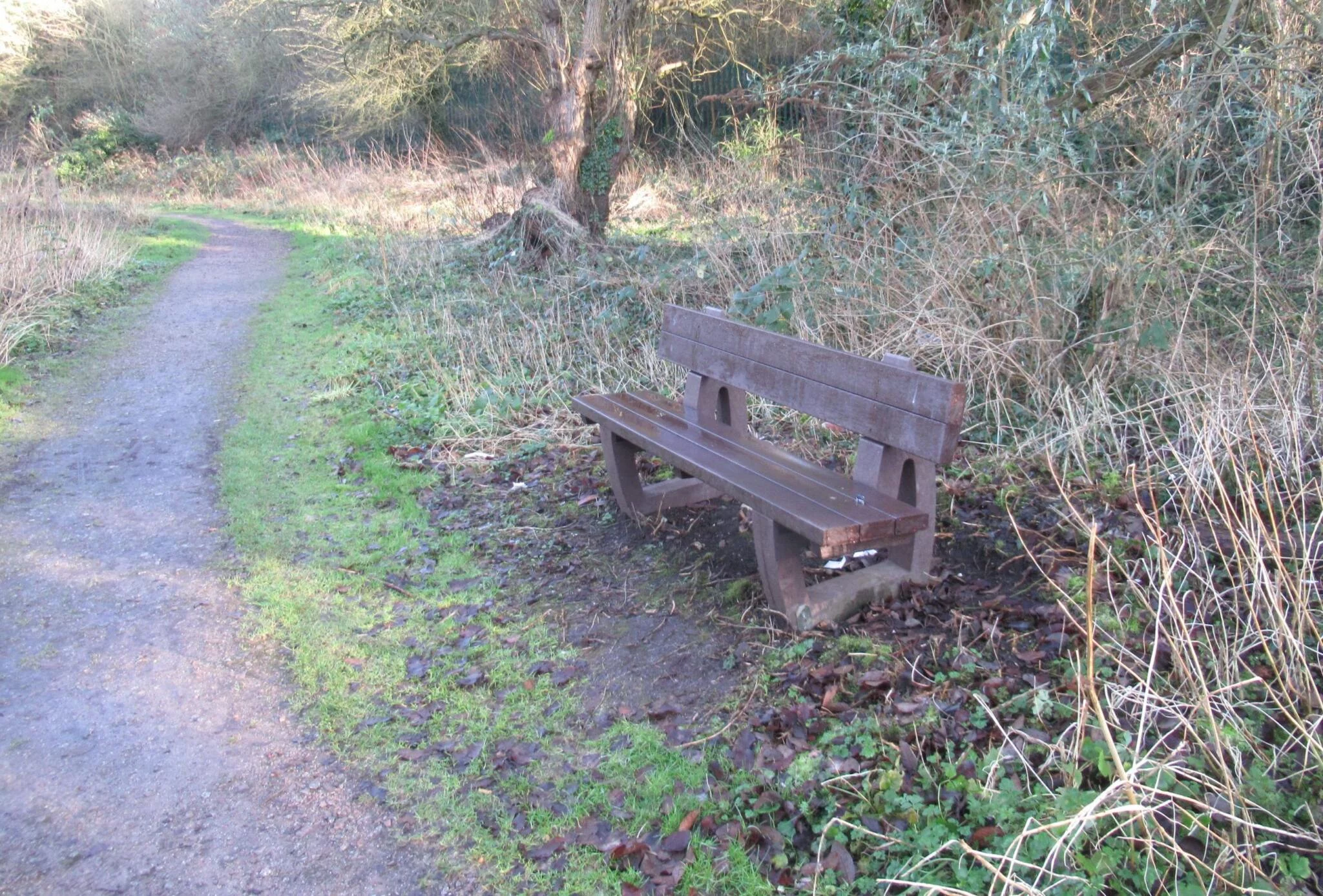
Rotting is inevitable. It’s often easier and more cost-efficient to replace the wooden bench than to continually repair it. It’s a good idea to look at the full life costs of a bench:
How much it cost when you bought it + how much the annual stains and treatments cost + labour costs + monitoring costs.
Repairing a rotting bench can quickly eat into budgets, more than buying a brand new bench will.
If the wood feels soft and spongy, deeper than the surface of the bench, it’s likely past repairing. If the fixing holes are loose and worn, you’ll need to either replace certain planks or buy a whole new bench.
The Alternative — Recycled Plastic Benches That Don’t Rot
While protecting wooden benches from rot can be done, it’s not a guarantee. Wooden benches require a lot of maintenance, annual treatments and monitoring. And even after all that attention and care, they’re still likely to need to be replaced in 5-10 years’ time.
Recycled plastic benches are an excellent alternative as they never rot and will last at least 25 years with no maintenance.
British Recycled Plastic’s outdoor benches are made with a heavy-duty, high-density polyethylene. This non-porous material means there’s absolutely zero water penetration, which means no rotting, warping, splitting or treatments required. They’re provided with a 25-year guarantee but are bound to last much longer.
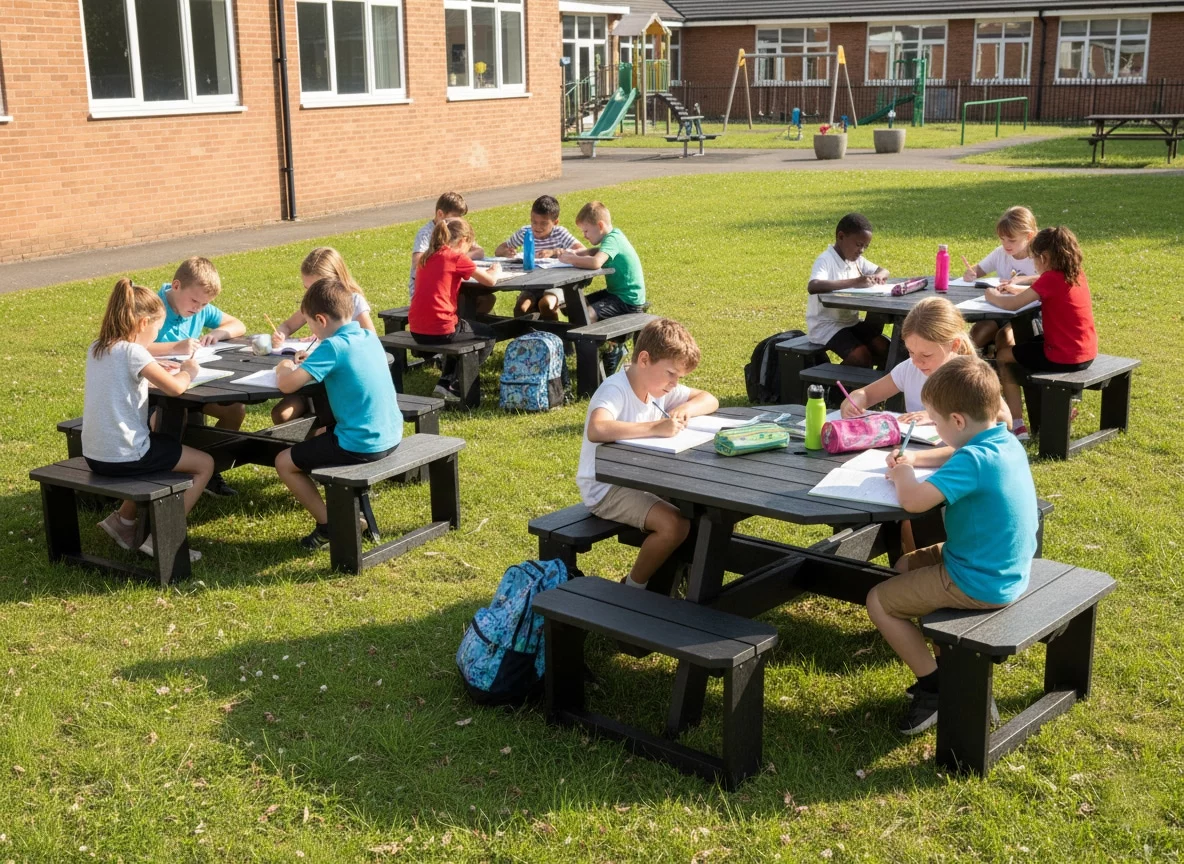
Because of the lack of moisture damage, there’s no maintenance required, making it perfect for councils, schools and public sectors where maintenance budgets are low. Instead of having to pay for annual treatments and labour time, recycled plastic benches are a ‘fit once and forget’ option. So they’re ideal for hard-to-reach areas and spaces where constant use is guaranteed.
Made with 100% British plastic waste, our benches are part of a circular economy and allow organisations to meet Net Zero and Sustainability goals.
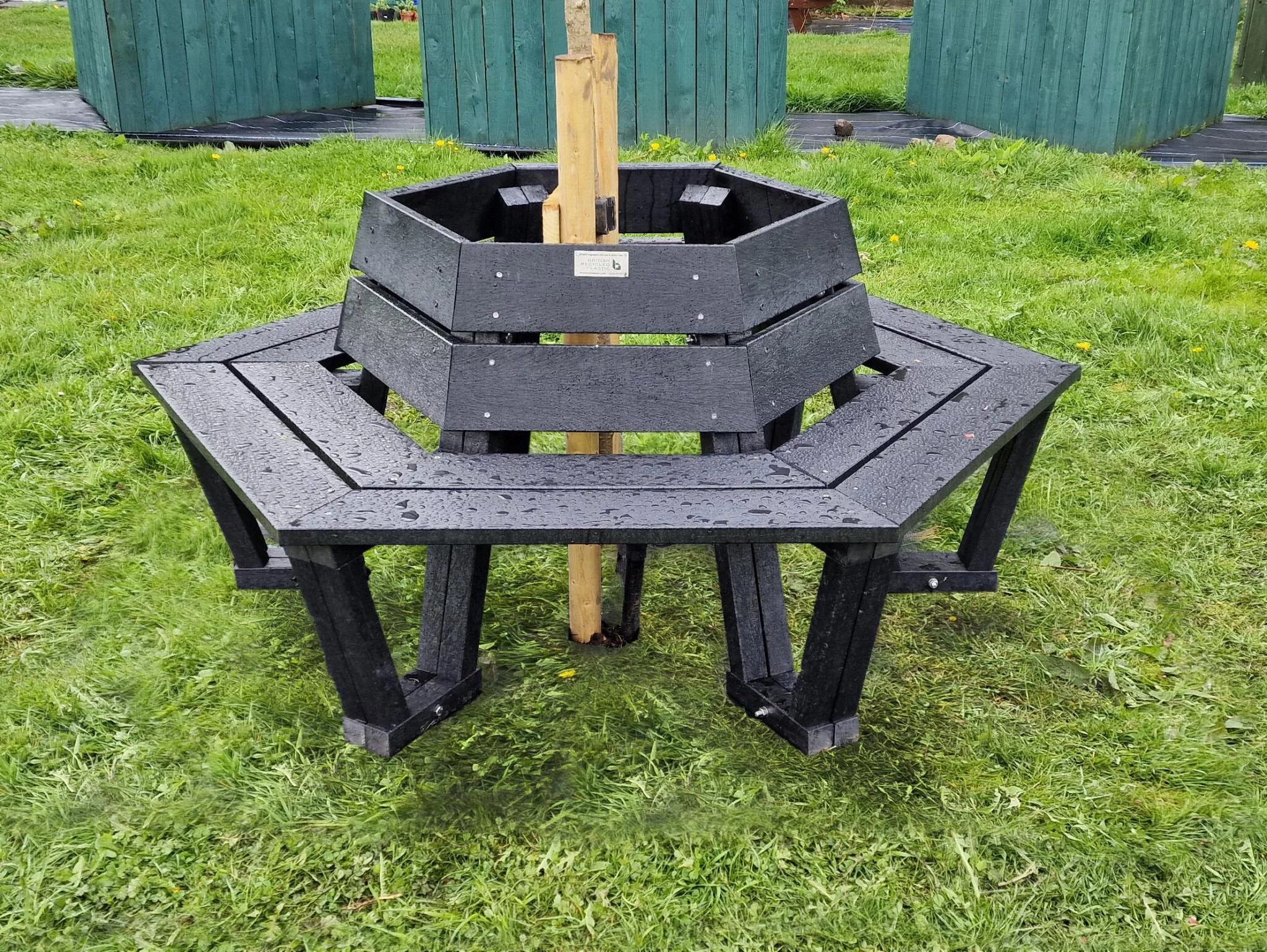
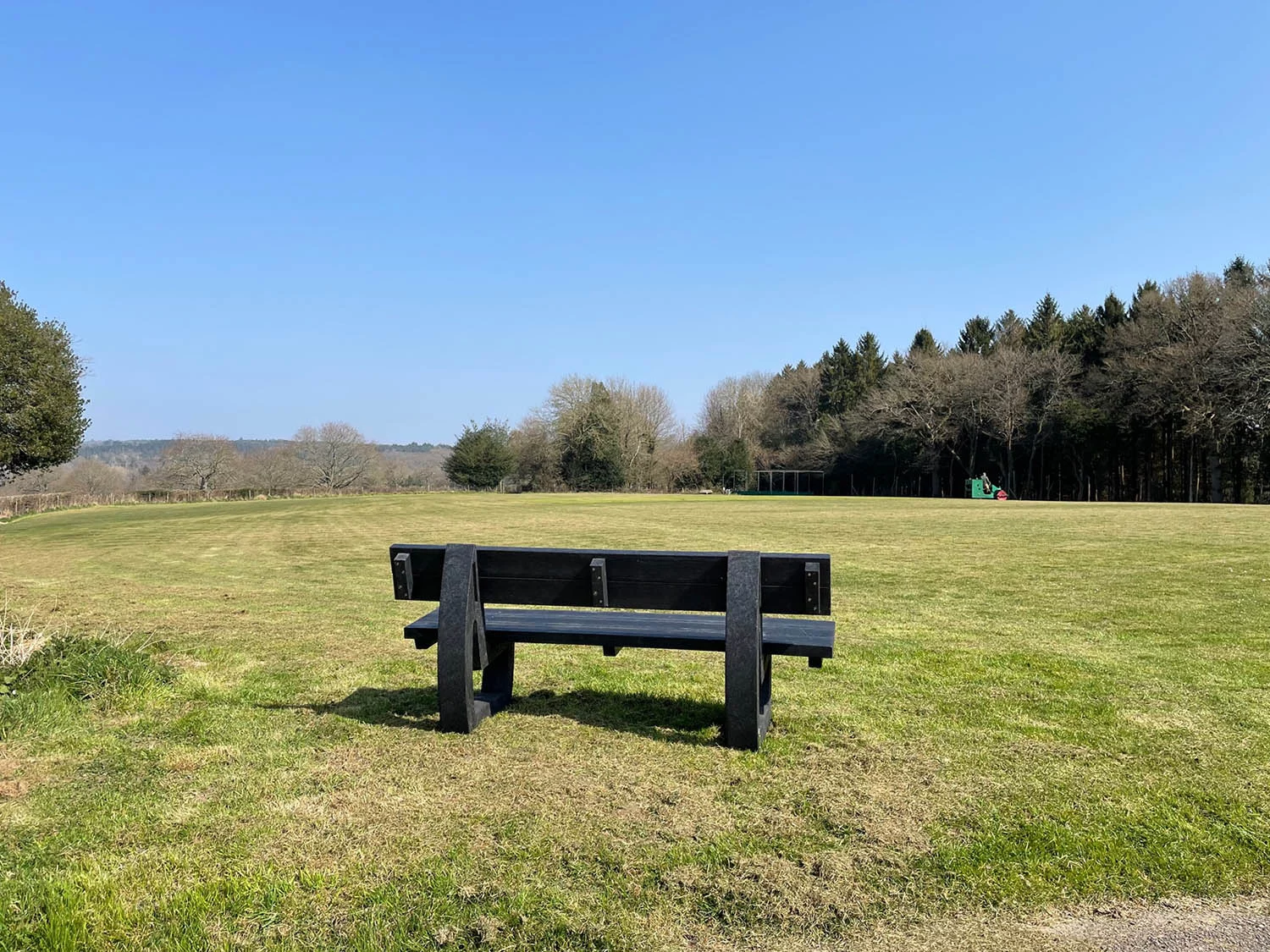
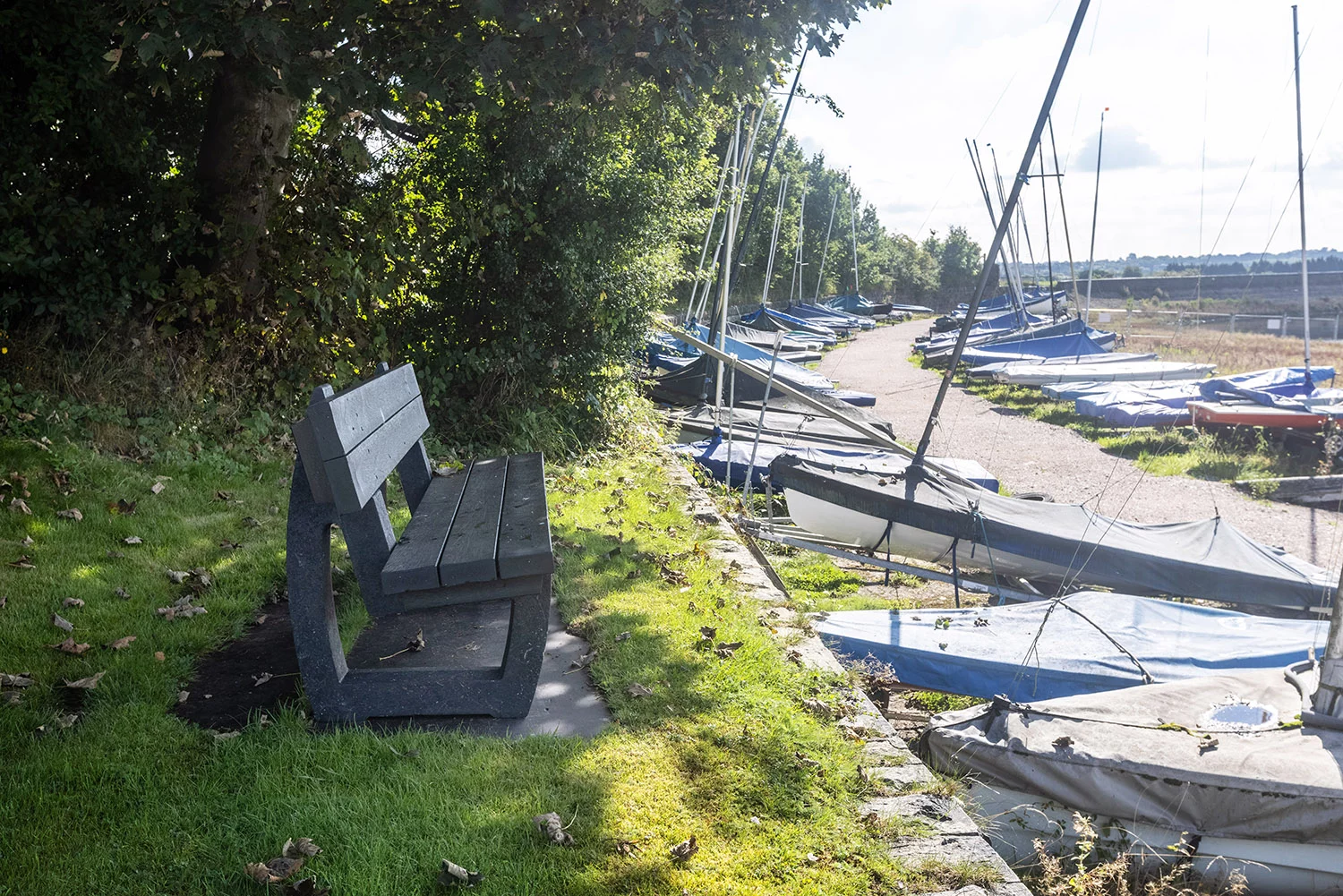
Recycled plastic benches are available in similar styles to wooden options. British Recycled Plastic can provide classic backless benches (the Oakworth bench) that are perfect for small spaces, pit stops along walkways and urban gardens. For extra comfort, the Harewood bench has a high back, and the Ilkley bench has a sloped back and armrests to support users with less mobility.
Our slatted, curved Skipton benches are ideal for pool and pond-sides, urban gardens and even inside changing rooms.
We also offer wraparound benches such as the Calverley Tree Bench, which work both as a seating space and protection for trees.
Wood vs Recycled Plastic
| Feature/Metric | Traditional Timber (Treated Softwood/Hardwood) | British Recycled Plastic – Premium Recycled Polyolefin Blend |
|---|---|---|
| Maintenance | High. Annual staining, sanding, varnishing and chemical treating needed. | Zero. Never needs painting, staining or oiling. Easy to clean with basic washing. |
| Lifespan & Durability | 5–10 years is typical, even with regular treatment. Rots, warps and cracks. | 25+ years guaranteed. Impervious to rot, insects, frost and damp. Will not crack. |
| Safety | Splinters over time and cracks, creating liability risk. Absorbs moisture, encouraging moss. | 100% splinter and crack -free. Non-porous — does not absorb water, resists moss and algae. |
| Vandalism & Fire | Vulnerable to carving and surface damage, spray-painting or bring ignited. | Graffiti easily washes off with solvent. Highly resistant to surface burns. |
| Environmental Impact | Relies on felling trees, contributing to deforestation and loss of carbon-storing woodland. Needs repeated replacement over time. | Made from recycled UK plastic waste — keeping trees in the ground and plastic out of landfill. Fully recyclable at end of life. |
| Total Lifecycle Cost | Low purchase price but high recurring costs: treatment, replacement parts, and labour. | Higher upfront cost but zero ongoing maintenance. Lower whole-life ownership costs due to minimal maintenance and replacement requirements. |
How British Recycled Plastic Can Help
If you’re managing multiple benches across a site and want to remove the maintenance overhead, British Recycled Plastic’s benches are worth a look. We have a Buy More, Save More offer on all picnic tables and benches in bulk order.
If you have any questions and want to discuss bespoke requirements, you can contact our expert team 5 days a week on 01422 419 555 or info@britishrecycledplastic.co.uk.
Written by the British Recycled Plastic team.
Published September 2026.
FAQs
How can I stop a wooden bench from rotting?
You can’t completely prevent outdoor wood from rotting, but you can slow the process with regular treatment, good drainage and by keeping the bench away from wet ground. Annual or twice-yearly treatment is recommended for exposed benches.
How often should I treat a wooden garden bench?
Most outdoor wooden benches should be treated at least once a year, with exposed benches potentially needing treatment twice a year. Pay particular attention to end grain, joints, cut edges and areas where the legs meet fixings.
How do I know if my wooden bench is rotten?
Soft or spongy wood, discolouration, cracks, loose joints and a wobbly structure can all indicate rot or deterioration. If the structural timber has become significantly weakened, replacing the bench may be more practical than continuing to repair it.
How long do wooden outdoor benches last?
The lifespan varies considerably depending on the type of wood, installation and maintenance, but even well-maintained wooden benches require ongoing treatment and may need replacing after several years. Benches exposed to persistent damp or installed on wet ground can deteriorate more quickly.
Do recycled plastic benches rot?
No. British Recycled Plastic benches are made from non-porous, heavy-duty recycled plastic, so they do not absorb water and will not rot, warp or splinter. They require no painting, staining or preservative treatment.
How long do British Recycled Plastic benches last?
Our recycled plastic benches come with a 25-year guarantee and are designed for long-term outdoor use. Their resistance to moisture, rot and weathering means they can provide a substantially lower-maintenance alternative to wooden benches.
Are recycled plastic benches suitable for councils and public spaces?
Yes. They are particularly useful where benches need to remain outdoors year-round, and maintenance teams need to minimise ongoing treatment and repair work. Their durability and low maintenance make them suitable for parks, streets, schools, urban spaces and nature reserves.
Can I replace rotten wooden benches with recycled plastic benches?
Yes. Recycled plastic benches are available in a range of styles, including backless, high-back, slatted, curved and wraparound designs. British Recycled Plastic can also discuss larger or bespoke requirements and offers volume savings on benches and picnic tables.