Why Choose Recycled Plastic Products?
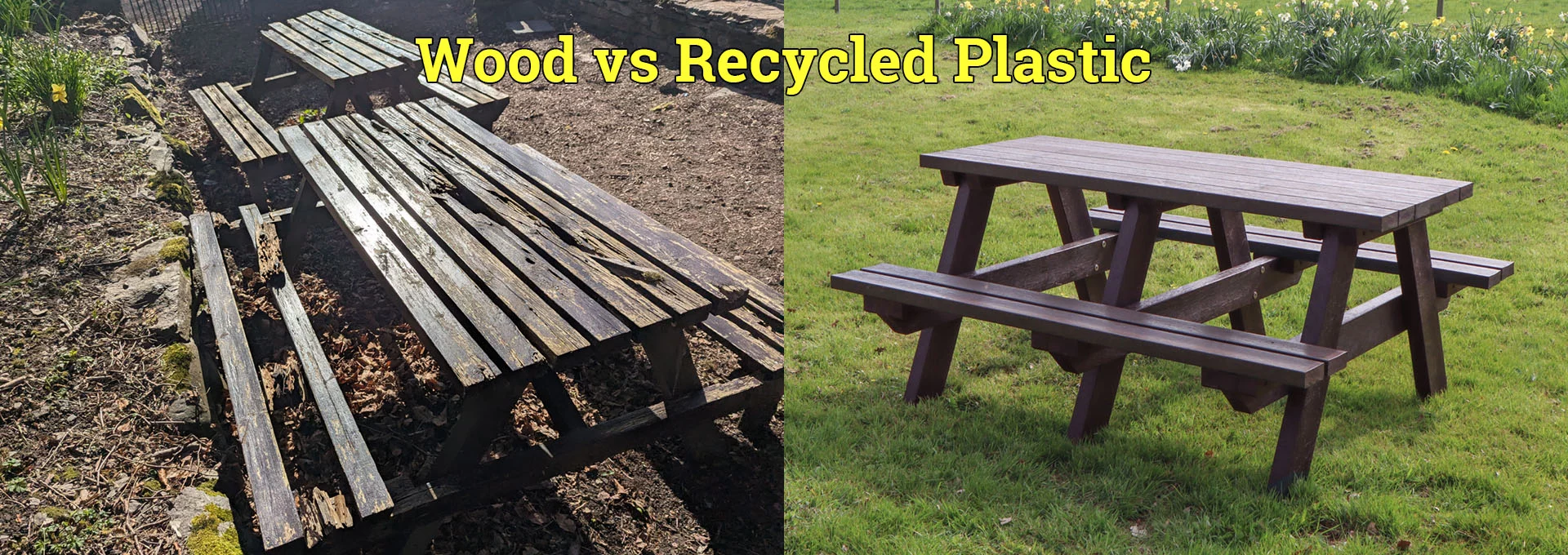
Discover the benefits of switching from Timber and Wood Polymer Composite to Recycled Plastic lumber and furniture.
Environmental and Economic Benefits of Choosing Recycled Plastic
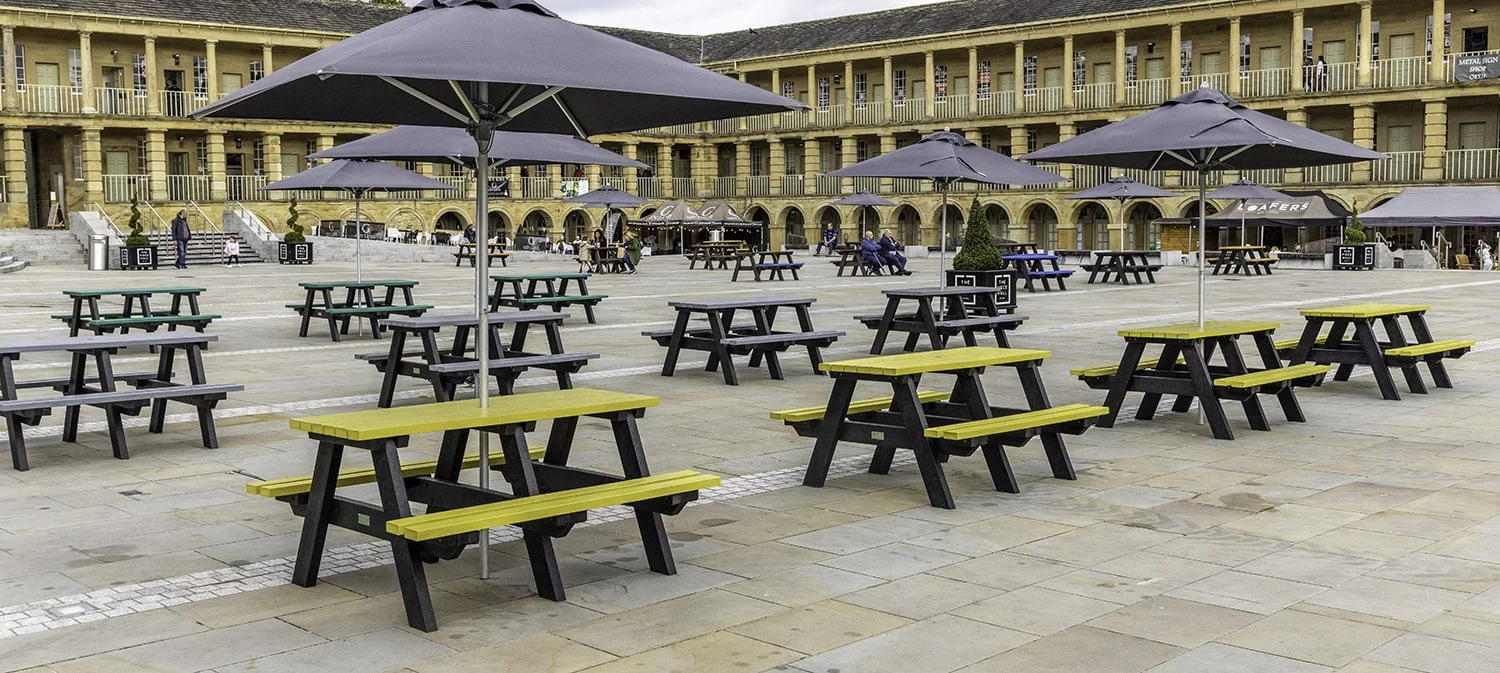
Choosing Recycled Plastic Products provides both environmental and economic benefits for you and the world around you. Our Recycled Plastic Lumber Posts, Planks and boards are manufactured in the UK from British waste and then engineered into our wonderful range of products. Whether they’re placed in a private garden, public parkland or a school playground, British Recycled Plastic’s practical and smart designs will give you decades of reliable, weatherproof service with no treatments or maintenance require, ever.
The biggest benefits of recycled plastic over Wood Polymer Composite is the fact that recycled plastic is recyclable again however the Wood Polymer Composite is not.

25 Year Guarantee

Rot & Algae Proof

Paracite Proof

Split Proof

Easily Clean & Disinfect

High UV Resistance

Vandal Resistant

Providing British Jobs

Zero-Maintenance

Towel-dries instantly after rain

Reduced Total Life Costs

Responsible Use of Waste
Watch Our Videos Showcasing Our Recycling Process
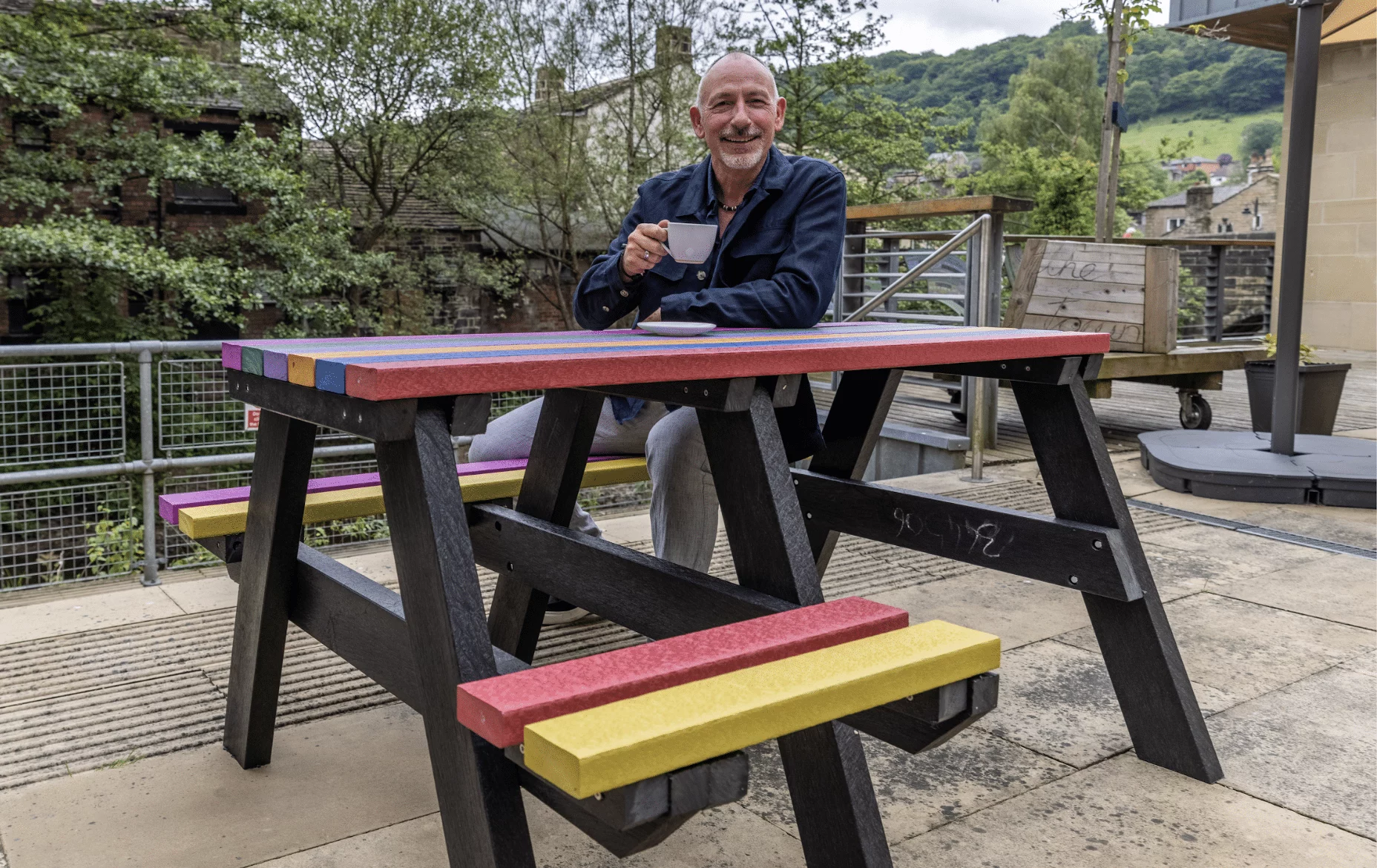
Take A Look At Our Recyled Plastic Furniture
View our most popular products for your home or organisation from artificial lumber to reclaimed-plastic garden furniture
Recycled Plastic FAQ’s
Recycled Plastic and Composite materials typically combine different elements, like wood fibres and plastics, for enhanced strength and durability. However, due to their composition, composites can’t be easily recycled. On the other hand, recycled plastic, like that from British Recycled Plastic, originates solely from reused plastic, making it fully recyclable and a more sustainable choice. It lasts longer, offers eco-friendly benefits, and can be continually recycled, minimizing environmental impact. Choose British Recycled Plastic for durable, sustainable solutions that make a lasting difference.
British Recycled Plastic is made from 100% uk plastic waste.
Our recycled plastic is made with a wide variety of plastic waste products from industrial, commercial, agricultural and domestic sources. These materials are shredded, melted and mixed together to create our incredibly strong plastic lumber.
The most common plastic types used are High Density Polyethylene, Low Density Polyethylene, Polypropylene and Polythene. These are all members of the Polyolefin family, so mix well together at the same temperature.
These materials form 99% of the content. They are mixed with 1% masterbatch, for colour control, which is also made from entirely recycled material.
This is one of the most common questions people ask — especially when they’re growing food. It’s a sensible concern, because soil health matters.
Independent laboratory testing has examined recycled plastic material for a wide range of substances including heavy metals, PAHs, PCBs and mineral oil hydrocarbons. The results were either extremely low or below detectable levels and comfortably within strict environmental limits. The material also met regulatory standards used for soils on children’s playgrounds, which are among the most cautious benchmarks applied to outdoor materials.
An important factor is the way the material behaves once it is manufactured. Flexible plastic waste — such as agricultural films or packaging — can contribute to microplastic pollution when it remains thin, mobile and subject to constant friction. In contrast, when that same material is processed into dense, rigid structural profiles, its environmental behaviour changes significantly.
Recycled plastic products are solid, stable structures designed to remain fixed in place for decades. They are not exposed to the repeated abrasion, stretching or high-speed movement that typically generates microplastics, such as in synthetic textiles or vehicle tyres.
In practical terms, this means the material functions much more like long-life outdoor infrastructure than disposable plastic. Rather than fragmenting, it keeps existing plastic safely stabilised and in use for many years — helping prevent that material from becoming waste elsewhere.
The way it is normally used, yes, plastic is bad for the environment.
Unless its recycled, plastic is unsightly, can be fatally ingested by wildlife, can last in landfill for, potentially, centuries, and in the case of some kinds of PVC in particular, can leach harmful chemicals into the ecosystem.
This is why it is vital that all of us look for ways to keep recycling the existing plastic that is already in circulation rather than just casually throwing it away and pretending that it’s someone else’s problem.
Here at Low Carbon Products, we take advantage of this “pervasiveness in the environment” to provide a range of ultra-tough, maintenance-free products that keep society’s plastic out of landfill and put to good use.
The image provides a clear overview of how we, at British Recycled Plastic, transform UK plastic waste into durable and sustainable outdoor furniture:
Waste Arrives at Recycling Plant: The journey begins with the collection of plastic waste from various sources across the UK.
Quality Control: The incoming waste undergoes an initial quality check to ensure it’s suitable for recycling.
Shred: The plastic waste is shredded into smaller, manageable pieces.
Wash: The shredded plastic is thoroughly washed to remove contaminants like dirt, labels, and other debris.
Quality Control: Another quality check is performed to ensure the plastic is clean and ready for further processing.
Melt: The clean plastic flakes are melted at a high temperature (200°C) to create a molten material.
Blend: Additives and colorants might be added to the molten plastic to enhance its properties and appearance.
Quality Control: The blended mixture undergoes yet another quality check before proceeding.
Extrude: The molten plastic is extruded into long, continuous profiles, similar to wooden planks.
Cool: The extruded profiles are cooled and solidified to form sturdy, durable planks.
Quality Control & Testing: The final product is rigorously tested to ensure it meets our high standards for strength, durability, and safety.
Ready for Use: The recycled plastic planks are now ready to be used in the manufacturing of our outdoor furniture.
Benches, Tables, Fencing, and More: These planks are skillfully crafted into a variety of outdoor furniture pieces, including benches, tables, and fencing.
End Result: High-quality, maintenance-free outdoor furniture that is both beautiful and environmentally friendly.