
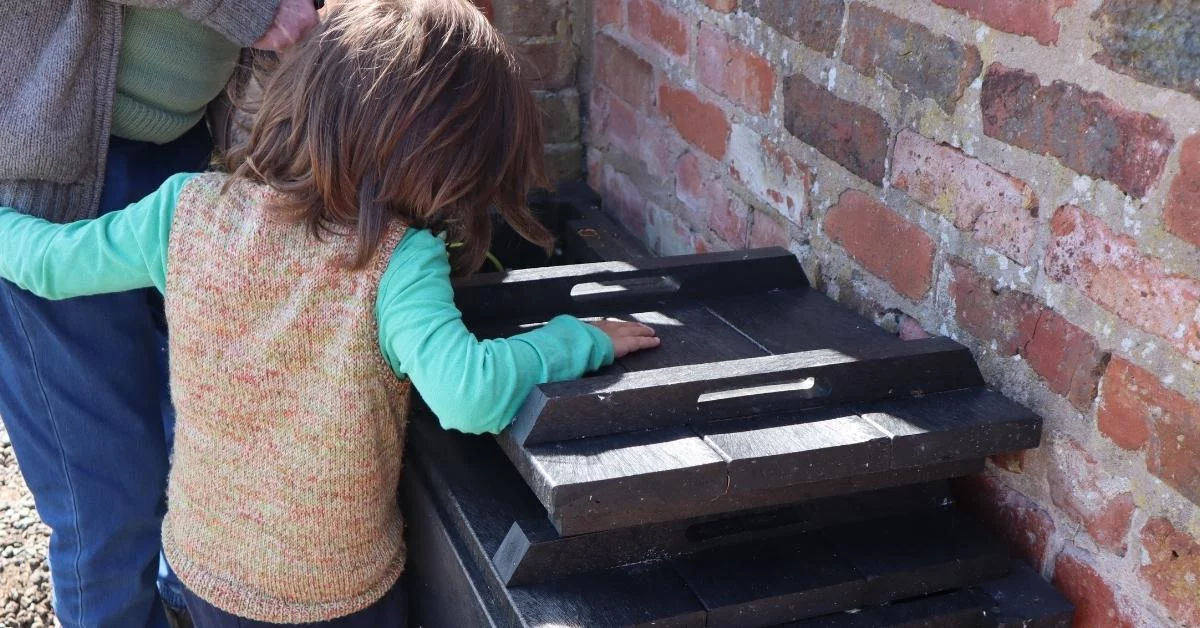
Composting is a simple, effective way to recycle household and garden waste while improving soil health and supporting wildlife. Even in small gardens, the right compost bin and a balanced mix of green and brown materials can produce high-quality compost year-round. Using durable recycled plastic compost bins helps streamline the process, reduce maintenance, and create a long-lasting, sustainable solution.
Table of Contents
- Composting is an easy way to recycle waste at home and enrich the soil
- Balance green (nitrogen) and brown (carbon) materials
- Avoid adding meat, dairy, or processed waste
- Chop materials small to speed up decomposition
- Turn the pile regularly and keep it moist (not too wet)
- Compost supports wildlife and boosts garden ecosystems
Composting is one of the easiest ways to implement recycling into your everyday life. It’s a home-based practise that’s simple, satisfying and kind to the planet. While it’s typically done year-round, late summer/early winter is the peak time for making compost, so it’s an ideal time to start making use of your waste.
The Best Compost Bins For Small Gardens
If you want to put your kitchen and garden waste to use, but live in a property with a small garden, composting needn’t take up much space. Alongside our heavy-duty Callis composter, we also offer the Redacre and Callis Compact compost bins, both perfectly suited for those with limited space to work with.
The Redacre compost bin is a single, open compost bin that is perfect for smaller gardens or those only composting kitchen waste. The black plastic absorbs and stores thermal energy, releasing it slowly to speed up the composting process. It’s a great choice for those just getting started.
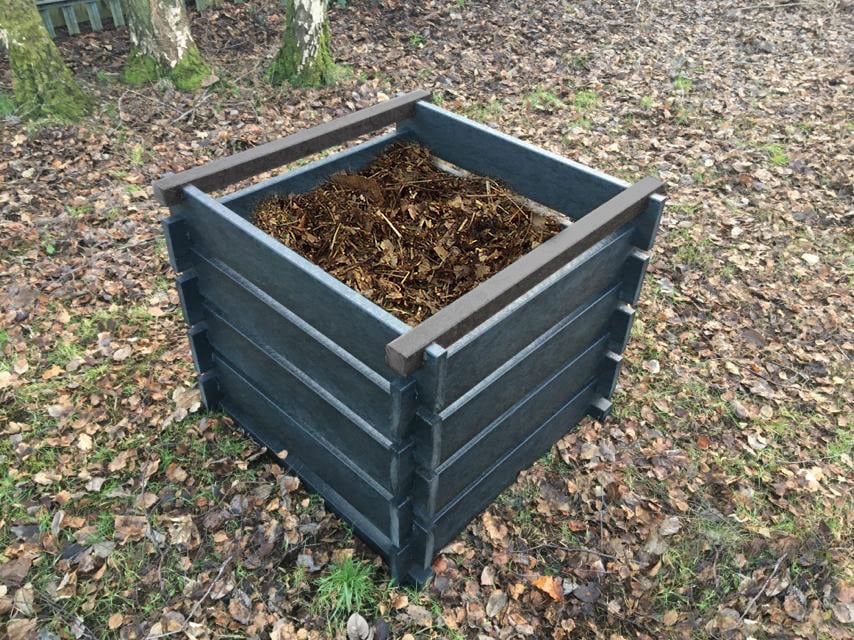
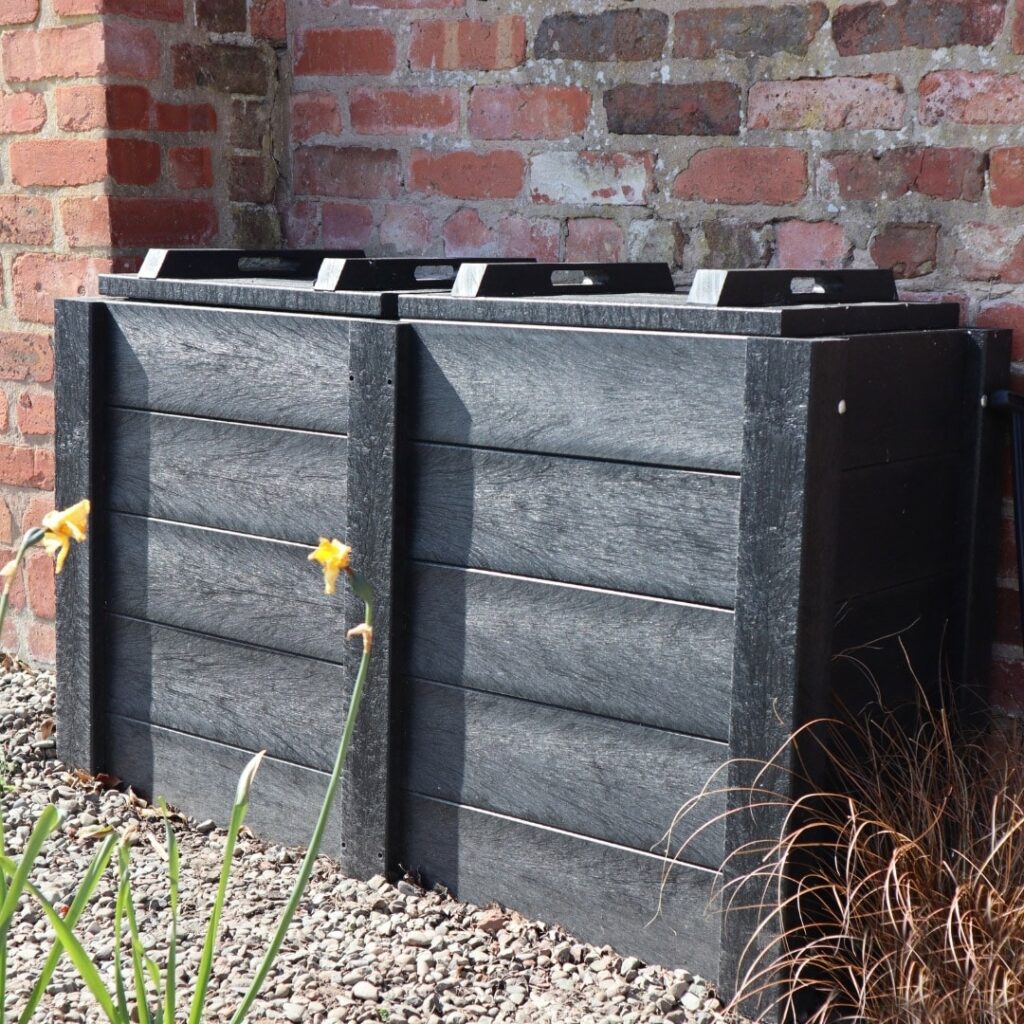
The Callis Compact Narrow Profile bin is smaller at 50cm – making it perfect for homes with limited space. Available with single, double or triple bins, it’s an excellent choice for balconies and urban gardens.
It also has optional lids available. If you’re composting a lot of fruit and veg, lids can help avoid attracting fruit flies and other pests.
Composting For Beginners: Tips & Tricks
If you’re just starting up, here are our top tips for composting effectively.
1. Shred and chop
Shred and chop all materials as finely as possible before adding them to the compost pile. Break down green and brown materials as much as you can – ‘the smaller the better’ is the general rule of thumb for all compost ingredients.
2. Turn the heap
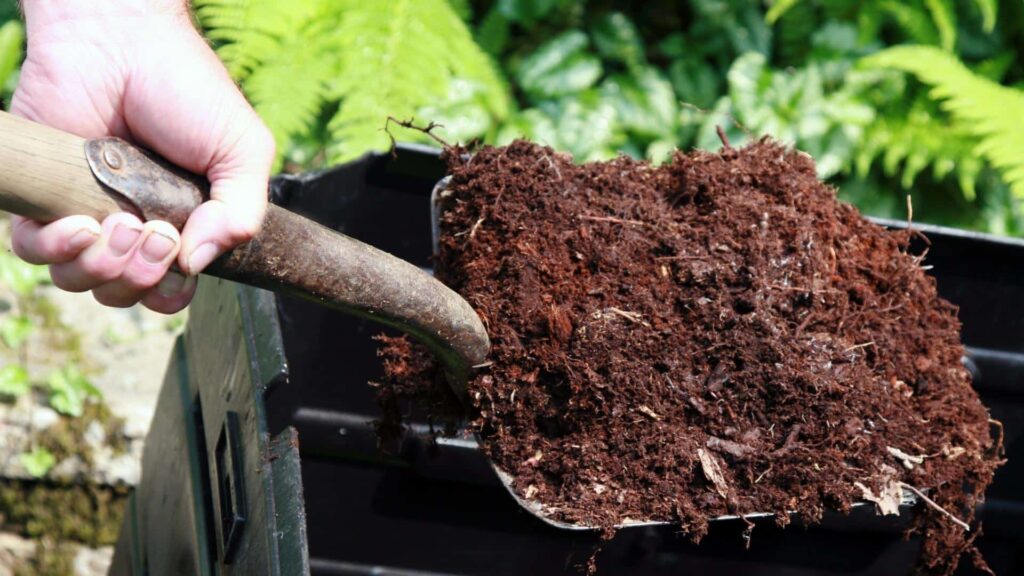
Turning the heap and keeping things moving adds air to the mix, which is necessary for composting to occur. Emptying and refilling the container – maybe once a month – is a good way to improve air circulation, and this will also help to mix the greens and browns.
3. Add water (but not too much!)
Make sure the compost stays moist. Add water if necessary, but avoid making the pile too wet – it should have the consistency of a damp sponge. This is where lids are also useful – covering the pile prevents it from becoming too soggy and allows for accurate moisture control.
4. Use a two–bin composting system
Fibrous materials that are slower to decompose can be removed when you are ready to finish the current pile and placed in the adjacent bin with the new compost. Two bins also allow you to store finished compost. At any time, you’ll have a working pile for new materials, and ready compost when needed.
5. Balance Composting Materials
It’s important to balance your ingredients correctly to produce the best quality compost. As a general rule of thumb, you should aim for between 25% and 50% green materials, with the remainder being woody brown material.
Green materials rot quickly, are rich in nitrogen and have a high moisture content. Brown materials rot slowly, are rich in carbon and have a high fibre content.
| Green Materials | Brown Materials |
|---|---|
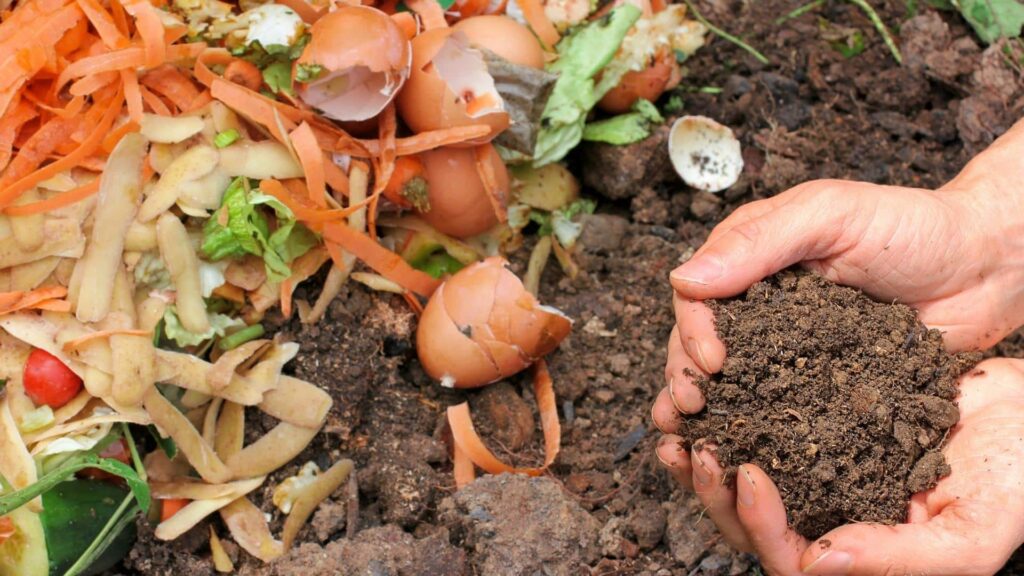
| • Annual weeds and nettles • Veg peelings and banana skins • Fruit peel and pulp • Coffee grounds, tea leaves and bags • Cut flowers • Grass clippings • Soft garden prunings • Old houseplants/bedding plants • Rhubarb leaves • Natural wool/cotton fibres | • Dry leaves • Shredded cardboard and paper • Eggboxes • Shredded hedge trimmings and wood chips • Dead plant stems • Animal hair • Straw • Wood ash • Crushed egg shells • Vacuum cleaner contents |
What should you never put in the compost bin?
There are some things you should never add to your compost pile. These include:
• Meat and fish scraps
• Dairy products
• Bread
• Coal ash
• Cat litter
• Glossy magazine paper
• Weed seeds
3 Common Composting Problems + Solutions
Below are the most common problems people experience when composting. We’ve provided a solution to each problem to help you compost more effectively.
1. The pile is not composting
This is usually caused by insufficient moisture and too much brown material, which will prevent the pile from breaking down.
Solution: Add more green materials, such as grass clippings. You can also buy a compost activator, which will add more nitrogen to the mix.
2. Slimy, strong-smelling compost
This is likely caused by too little air and too much water.
Solution: Add more brown waste, such as chopped woody material, shredded woodchip, straw or paper. Then cover your compost with a lid to protect against rain and excessive moisture.
3. Flies
Solution: Try covering your kitchen waste with garden waste after adding it to the pile. And – as we have already established – lids are your friend!
Join The Composting Crew
Our recycled plastic compost bins are already used in many allotments and private domestic gardens up and down the UK. John Robertson recently ordered two of our compost bins for his garden in Wales, and had this to say about the product:
“We decided to go with British Recycled Plastic because the products looked like they would last a long time and we liked the fact they are made here, so not being imported from around the world. We have recently retired so want products that won’t need replacing in the long-term.
I liked the compost bins as they are made from commercial-grade material, whereas wood just rots in the end. The lids are good – heavy enough that they won’t blow away – and the whole thing looks neat and unobtrusive. As the bins are black, made from thick material and have lids, I’m expecting the contents to compost down quicker.
Looking forward to the coming year, lots to compost and nice to know it’s not going to fall apart in several years’ time!”
Composting isn’t just about creating nutrient-rich soil for your plants – it’s about creating a thriving ecosystem that benefits wildlife too. When you compost at home, you’re providing a habitat for beneficial insects, worms, and other creatures that are essential for a healthy garden. The decomposing organic matter attracts invertebrates, which in turn provide food for birds and other wildlife.
The Eden Project has some expert tips for successful composting, and their advice perfectly complements our durable compost bin range. Whether you’re looking for a small garden compost bin for limited space or a larger system, by choosing one of our recycled plastic compost bins, you’re not only reducing waste and enriching your soil, but you’re also doing your bit to support local wildlife – what could be more rewarding than that?
Why British Recycled Plastic?
Our recycled plastic composting products can be seen in an array of locations up and down the country, from parks and playgrounds to wetlands and nature trails. Some of our prestigious customers include the NHS, the National Trust, the MoD, and various schools and universities throughout the UK.
We offer a wide range of products that are not only incredibly tough and durable, but also actively help to dismantle the UK’s domestic waste mountain and keep plastic out of landfill. Whether you need a small compost bin for urban gardens or larger systems for extensive composting, our range caters to every need.
Our recycled plastic is completely rot-proof, splinter-proof and maintenance-free, and it comes with a 25-year guarantee. This means that year after year, it looks fresh while staying strong and functional.
We’re proud of how our role in the world of recycling is helping to reduce domestic waste and create products which are useful, long-lasting and beautiful. Engineered from 100% British waste, our products are supplied to thousands of organisations and private homes across the UK: We believe they are the very best money can buy. We’re making waste wonderful.
For a closer look at how our products are made, check out the recycled plastic manufacturing video, or get in touch with our friendly and knowledgeable team by phone: 01422 419 555 or email: info@britishrecycledplastic.co.uk.
Written by the British Recycled Plastics team.
Updated April 2026
British Recycled Plastic compost bins transform kitchen and garden waste into nutrient-rich compost. They provide a weatherproof, durable, and eco-friendly solution for reducing landfill waste, enriching soil, and promoting sustainable gardening—all while being made from 100% recycled materials.
British Recycled Plastic compost bins make composting easy and efficient:
– Add Organic Waste: Include kitchen scraps, garden clippings, and dry leaves, balancing “greens” (nitrogen) and “browns” (carbon).
– Airflow and Moisture Control: Designed for ventilation and moisture balance, ensuring efficient, odour-free decomposition.
– Heat Retention: The enclosed design speeds up composting by retaining heat.
– Harvest Compost: Use access doors to collect nutrient-rich compost from the bottom while adding new waste at the top.
– Durability: Made from weatherproof recycled plastic, these bins last for years with no maintenance.
– Turn organic waste into valuable compost sustainably with a British Recycled Plastic compost bin!
British Recycled Plastic compost bins are a durable, sustainable, and low-maintenance solution that helps reduce waste, enrich garden soil, and support sustainable living, making them a smart choice for any environmentally conscious gardener
Yes, compost bins are excellent for the environment, especially when you choose sustainable options like British Recycled Plastic compost bins. Here’s why:
Reduce Landfill Waste:
Compost bins divert organic waste, such as food scraps and garden clippings, from landfills. This reduces the production of methane, a potent greenhouse gas that forms when organic material decomposes in landfills.
Recycle Nutrients:
Composting returns valuable nutrients to the soil, improving its health and reducing the need for chemical fertilizers, which can harm ecosystems.
Lower Carbon Footprint:
By composting at home, you minimise waste transportation emissions and reduce reliance on store-bought soil amendments, cutting your overall environmental impact.
Support Biodiversity:
Using compost enriches soil, which supports healthier plants and promotes biodiversity in your garden, benefiting pollinators and microorganisms.
Eco-Friendly Materials:
With British Recycled compost bins, you’re also reducing plastic waste. These bins are made from 100% recycled materials, ensuring a sustainable solution for your composting needs.
Composting is a simple, effective way to reduce waste, improve soil health, and support environmental sustainability. Choosing a British Recycled compost bin makes it even better for the planet, as you’re recycling waste into both nutrient-rich compost and durable, eco-friendly materials.
Absolutely! Compost bins are a fantastic way to reduce waste, enrich your garden soil, and support sustainable living. British Recycled Plastic compost bins take these benefits a step further by offering durability, sustainability, and ease of use. Here’s why they’re worth it:
– Eco-Friendly and Sustainable:
Our recycled plastic compost bins are made from 100% recycled materials, reducing plastic waste while helping you recycle organic waste like food scraps and garden clippings.
– Durable and Weatherproof:
Unlike wooden or metal bins, British Recycled Plastic compost bins are completely weatherproof. They won’t rot, rust, or degrade, even in harsh outdoor conditions, ensuring years of reliable use.
– Low Maintenance:
These bins require no treatment or upkeep—just set them up and start composting! Their non-porous surface makes them easy to clean, and they’re built to last.
– Practical and Efficient:
Designed for optimal air circulation and moisture control, our compost bins help break down organic material quickly and effectively, producing nutrient-rich compost for your garden.
– Cost-Effective and Long-Lasting:
Investing in a British Recycled Plastic compost bin saves money in the long run, as they last far longer than traditional bins, and you’ll save on soil and fertilizer costs by producing your own compost.
With a British Recycled Plastic compost bin, you’re not only creating healthier soil and reducing waste—you’re also contributing to a cleaner, greener planet. It’s a smart, sustainable choice for any eco-conscious gardener!






Leave A Comment
You must be logged in to post a comment.