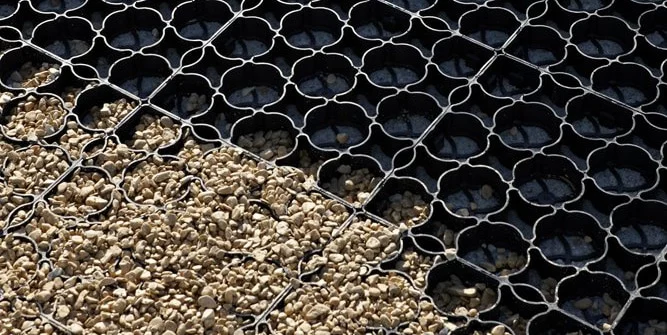
Learn how to build a durable, low-cost shed base using British Recycled Plastic Hebden Grids as an alternative to concrete. This step-by-step guide shows how Hebden Grids create a quick, permeable, and easy-to-install shed foundation that’s ideal for gardens, allotments, and outdoor buildings.
Table of Contents
- Hebden Grids offer a faster, cheaper alternative to concrete shed bases
- Easy DIY installation with minimal ground preparation required
- Creates a stable, permeable base for sheds and garden buildings
- Less invasive than concrete and easier to remove if needed
- Ideal for gardens and allotments with gravel-filled recycled plastic grids
- Durable, practical, and simple to install with basic tools
We’re often asked whether our recycled plastic Hebden Grids can be used as a low-cost alternative to concrete for shed bases, and the answer is a resounding yes!
Not only does it work out costing you less money, but it’s also far quicker. It’s also less invasive, so should you decide to sell your house at any point, the new owners won’t have a concrete slab in the garden to deal with.
So, how do you build your shed base? Fortunately, we have a handy infographic for you, which you can also download as a PDF.
How To Create A Shed Base
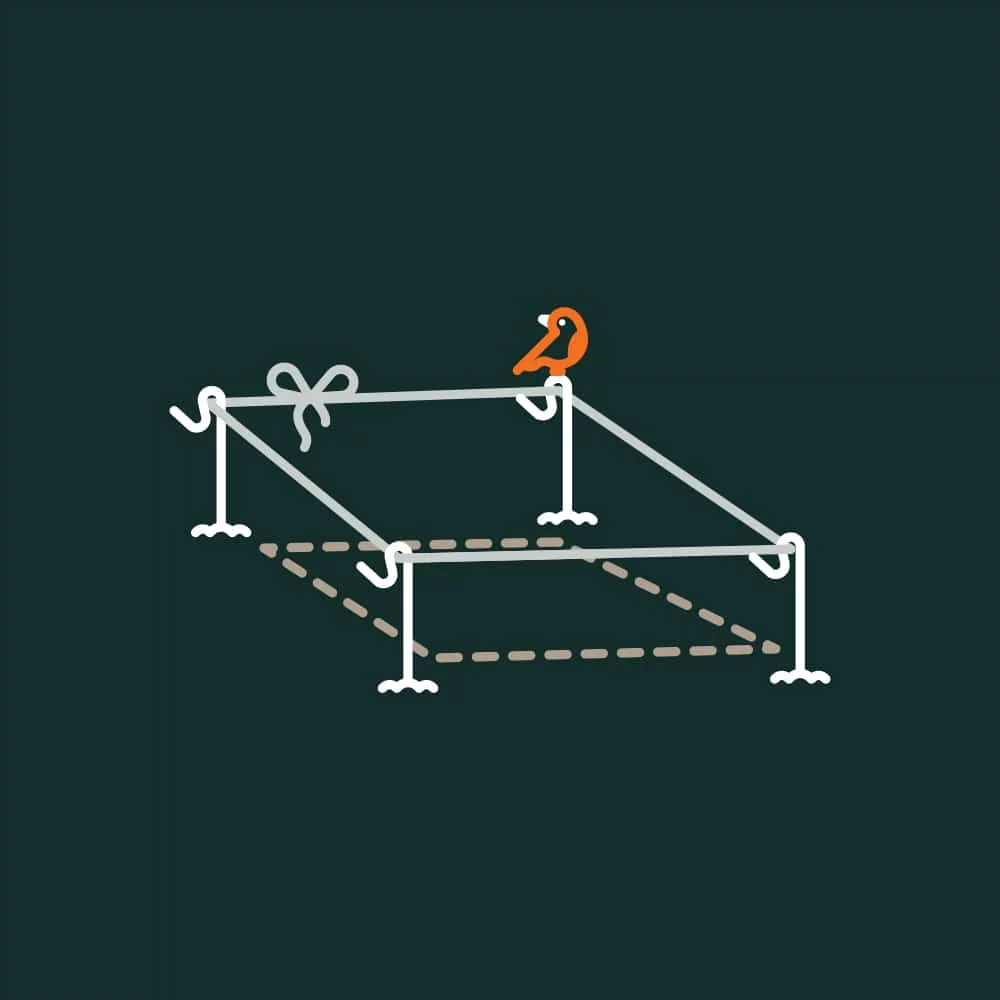

Mark out the correct-sized area for your shed base in your garden or allotment using stakes and string. If you don’t have metal stakes, gardening bamboo will work just as well. We always recommend that the base be slightly larger than the actual structure to be erected on top.
To ensure your area is completely rectangular, use string to measure from corner to corner, ensuring the distance is the same across both diagonals.
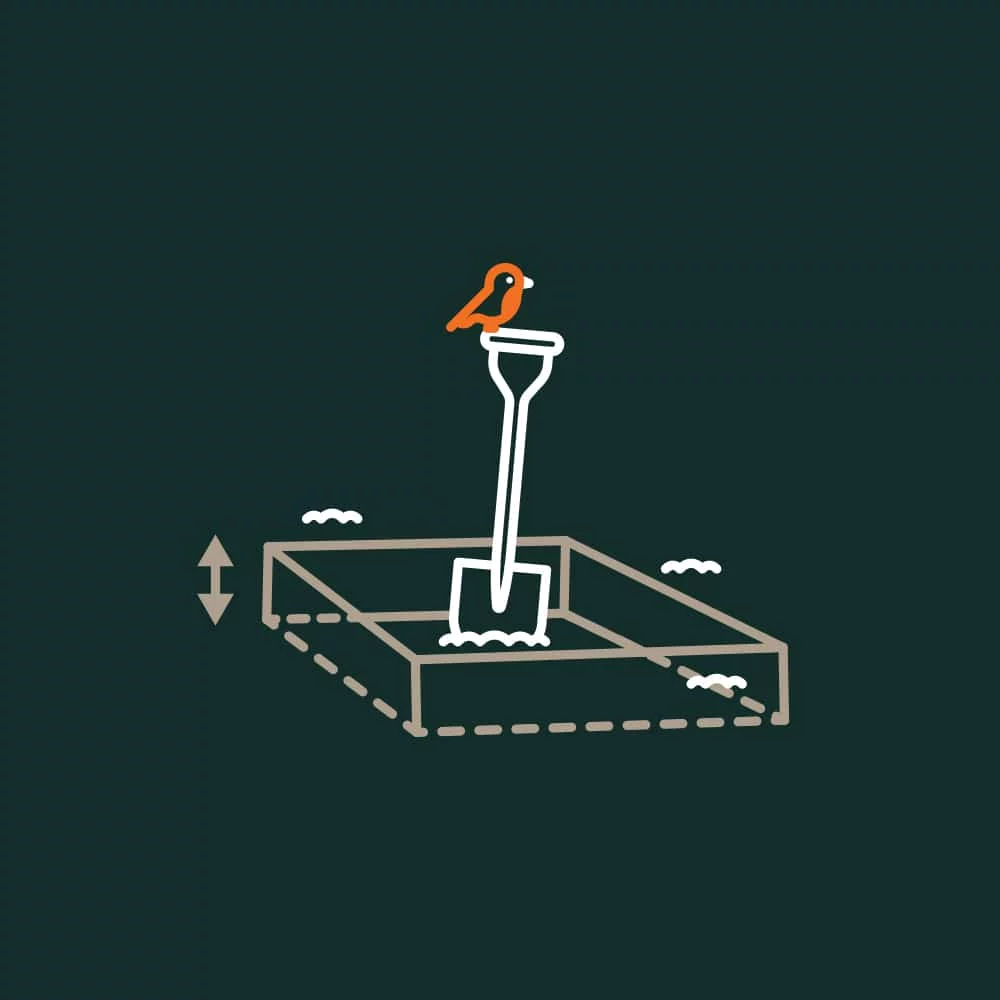
Remove the top layer of soil down to 50-70mm (two or three inches) with a spade.



Stop for a cup of Yorkshire tea.
Level the ground, ensuring it doesn’t slope away in any direction. A common and easy way to do this is to turn any higher areas over with a fork and then rake the loose material to the lower area, using a long spirit level and batten or bar to ensure that you keep the surface level.
Compact the shed base area by standing on a board on the soil and moving it around, or by just walking on it repeatedly.

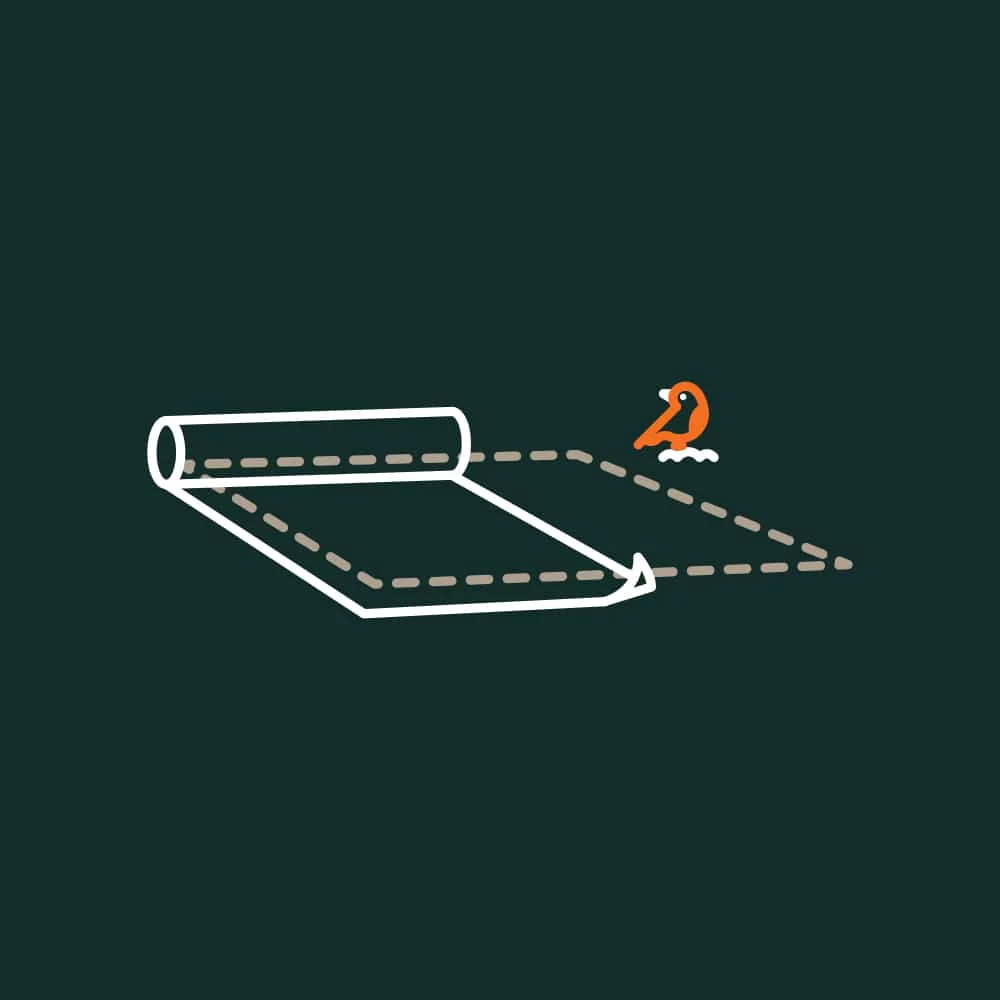
Cover with a layer of builder’s (sharp) sand or gravel, ensuring the surface remains level.
Stop for a cup of Yorkshire tea.
Lay weed suppressant membrane over the whole shed base area.
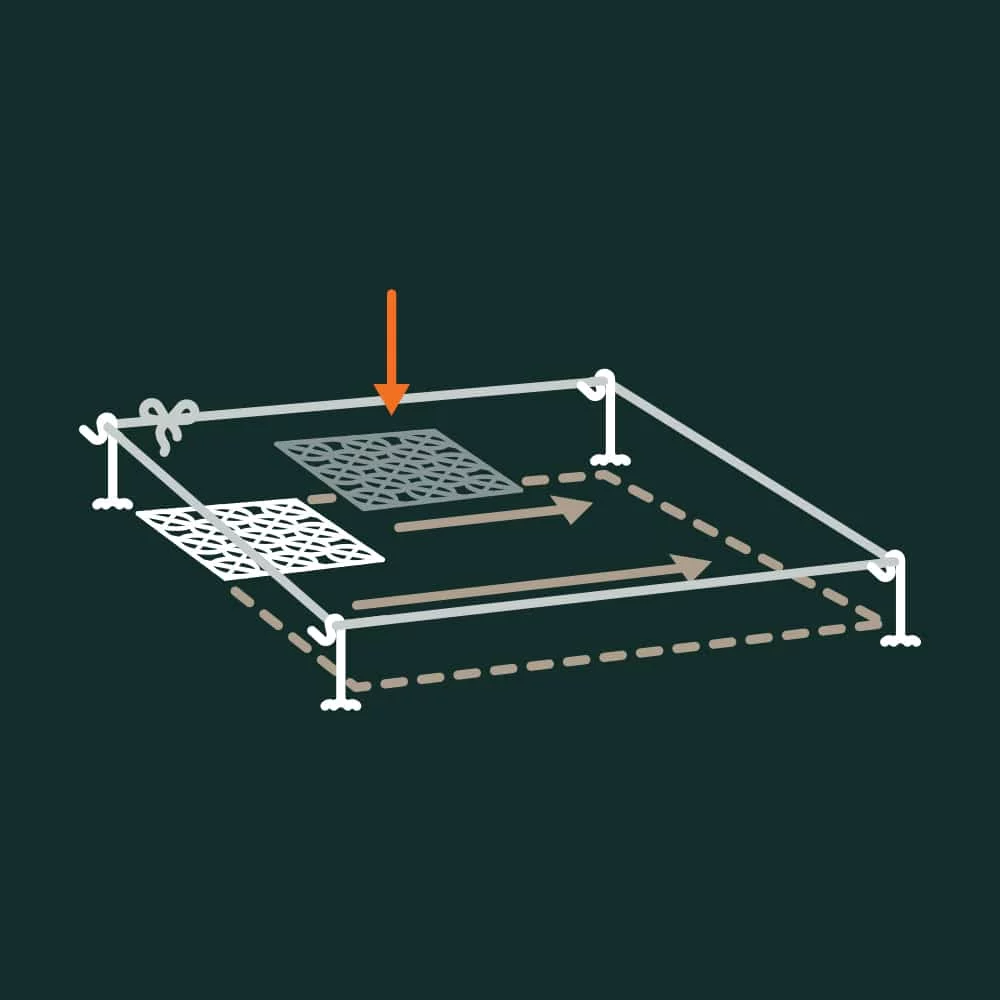
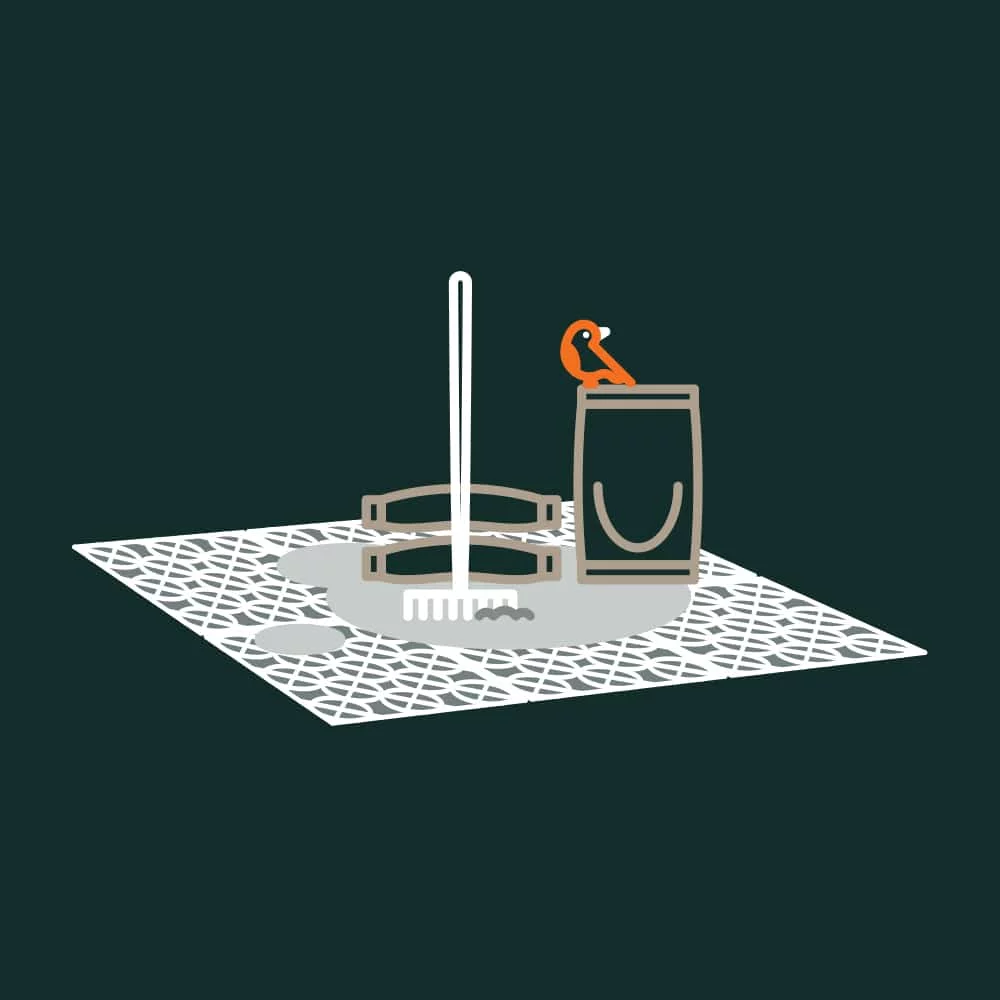
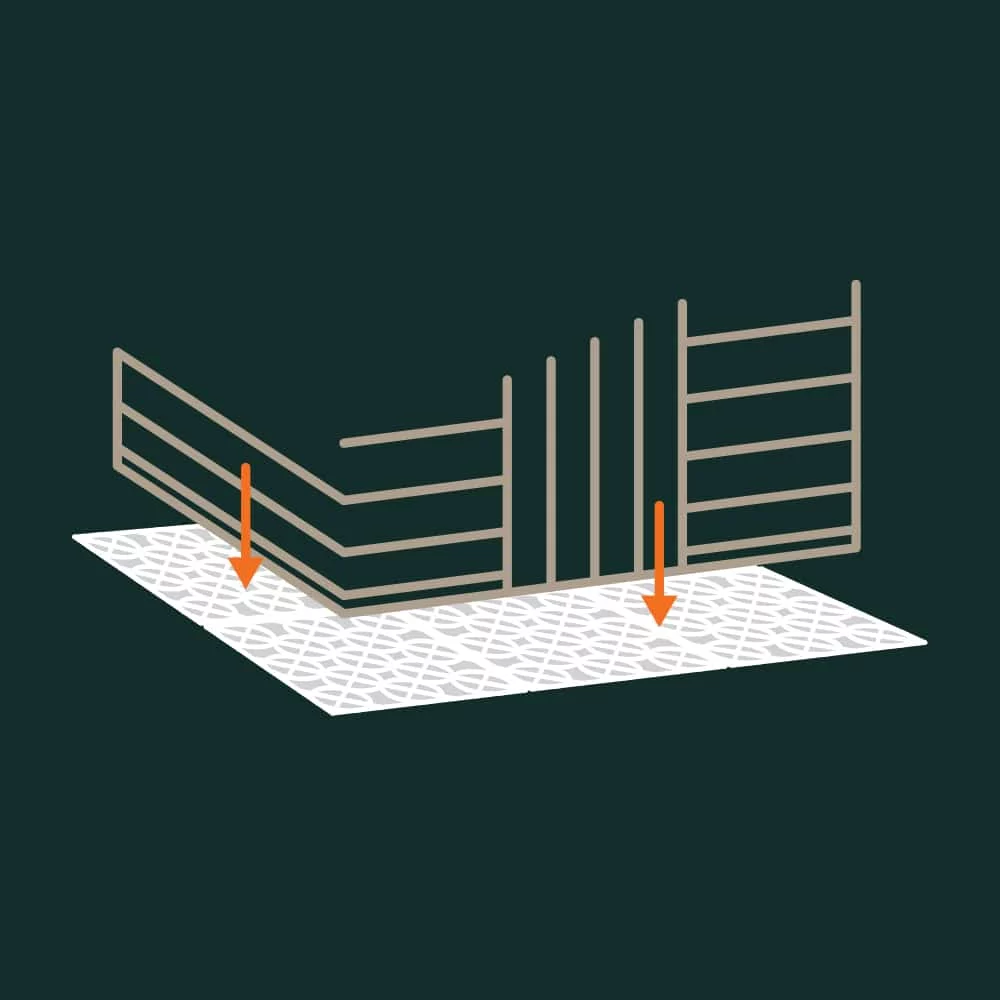
Begin by positioning the first Hebden Grid in one corner of the designated area, ensuring the edges with slots align with the perimeter of the marked-out space. Continue by placing the second grid to the right of the first, fitting the slot over the peg. Repeat this process, working systematically from left to right, and laying subsequent rows as needed. Ensure each grid’s slots are securely placed over the pegs to maintain a stable and even surface.
Once all grids are laid, pour on the pea gravel. You should use around 8kg of gravel per individual grid, so for each 3 square metre box of grids, you’ll need around 216kg of gravel.
Once the grids are full of gravel, erect your shed or garden building on your lovely shed base.
As always, if you have any questions about building your shed base, please don’t hesitate to pick up the phone and give us a call on 01422 419 555, or email our team at [email protected].
Written by the British Recycled Plastic team.
Updated May 2026
Yes – British Recycled Plastic grids can. Depending on the gradient they may also need some of our U Pins or J Pins to fix them more firmly to the ground. 1 in 8, or 12%, is a reliable maximum.
British Recycled Plastic Hebden X-Grids are made from recycled British industrial plastic, sourced in the Midlands.
While edging isn’t always necessary, it is highly recommended when using gravel grids. Edging provides additional stability, preventing gravel migration and maintaining a neat, professional finish. It also helps to secure the grids in place, especially in high-traffic areas like driveways, pathways, or parking spaces.
Using edging with British Recycled Plastic gravel grids ensures long-term performance, enhances load distribution, and reduces maintenance, making your sustainable surface solution even more effective.
Yes, plastic gravel grids are an excellent choice for creating stable, durable, and sustainable surfaces. Made from recycled materials, British Recycled Plastic heavy-duty ground grids enhance load distribution, prevent gravel displacement, and reduce surface maintenance. Plastic ground reinforcement grids are ideal for driveways, pathways, and parking areas, offering a permeable solution that minimises water pooling and supports sustainable construction. Their lightweight, easy-to-install design makes them a cost-effective and reliable option for both residential and commercial projects.