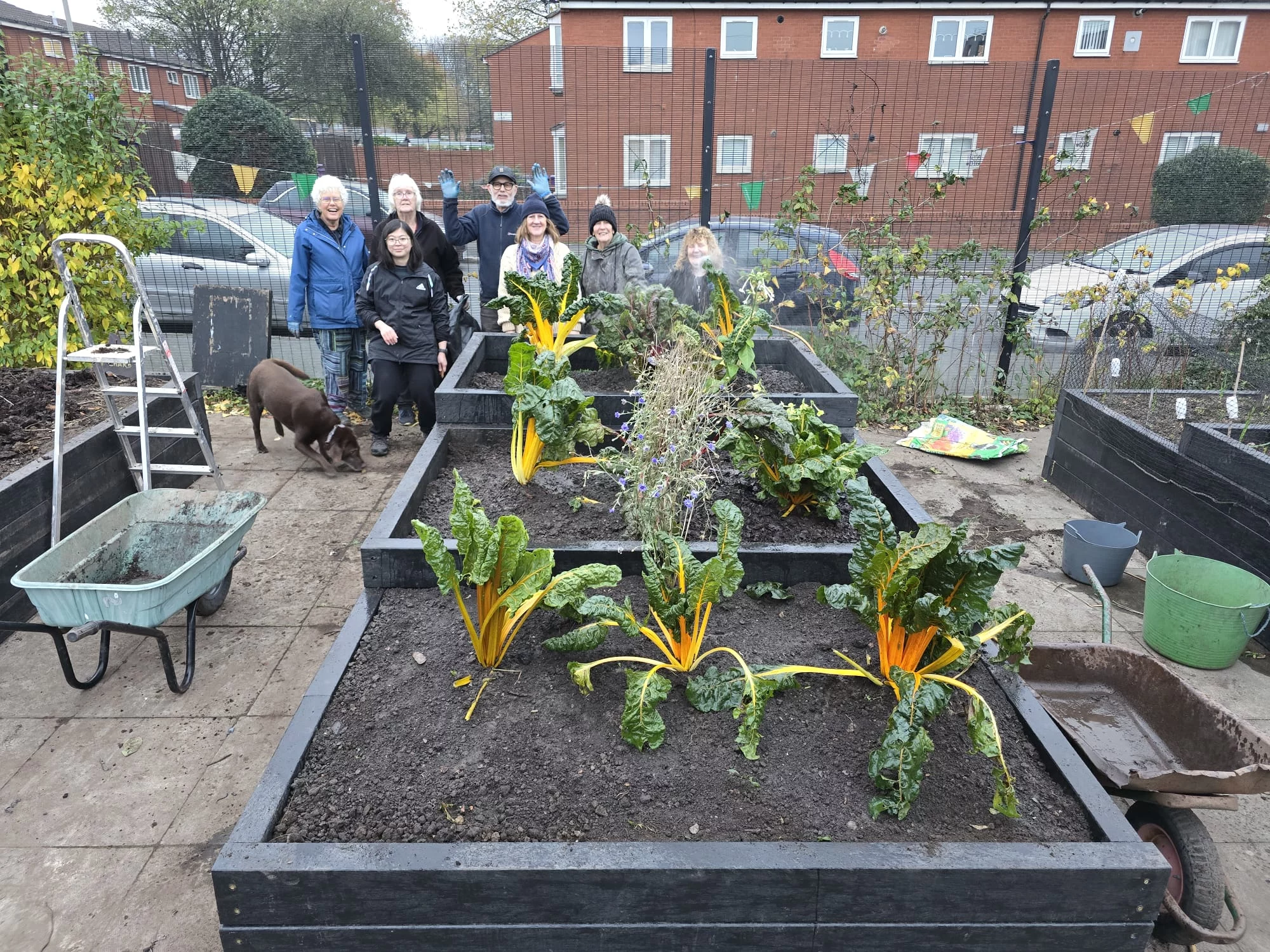
Discover how Everton Community Gardens is creating a sustainable future with artificial lumber, transforming its outdoor growing space using recycled plastic lumber. Faced with rotting timber raised beds, the community rebuilt its gardens with durable, maintenance-free recycled plastic materials — creating a sustainable, long-lasting solution powered by volunteers, local funding, and community spirit.
Table of Contents
- Everton Community Gardens replaced rotten timber raised beds with recycled plastic lumber
- Over 3,000 volunteer hours helped rebuild the community garden space
- Recycled plastic raised beds are rot-proof, weather-resistant, and maintenance-free
- Sustainable materials ensure long-lasting community infrastructure
- Project supported local wellbeing, skills development, and environmental sustainability
Discover how this incredible community reclaimed their space and built a sustainable future with artificial lumber and an astonishing 3,000 hours of volunteer power!
Embracing A Sustainable Future with Artificial Lumber in Everton
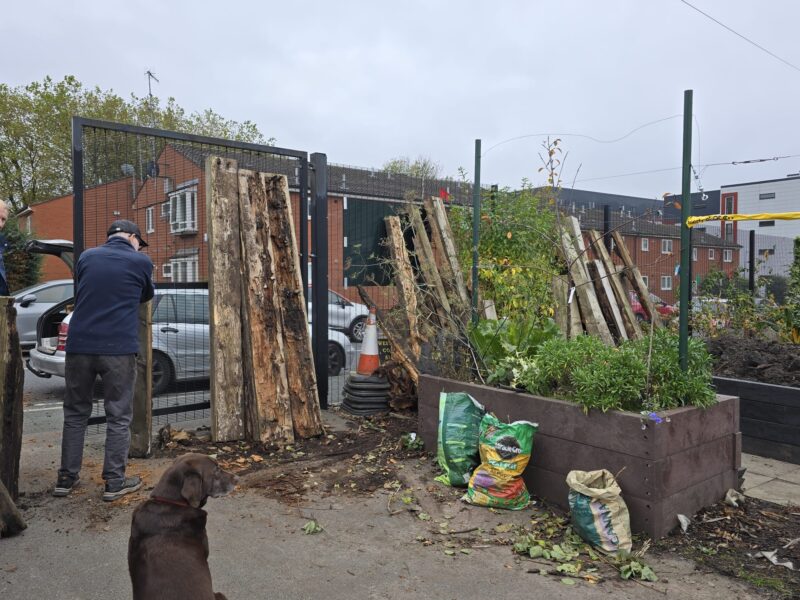
Community Gardens has been a vibrant hub for local volunteers and the community since 2011. Over the years, their wooden raised beds provided a nurturing space for flowers, fruits, and vegetables. However, by 2022, the elements had left the raised beds rotting and unsafe after just ten years – a problem only too familiar when using wood.
Instead of implementing another short-term fix with using wood, Everton Community Gardens sought a more sustainable future with artificial lumber, a long-lasting alternative.
John Hutchison, a Founding Member of Everton Community Gardens, said:
“The wooden [raised] beds that we have had to replace were just 10 years old. They had rotted badly and were only getting worse. We have 20 of these beds and most of them are nearly 4 x 2 metres sized and we needed to replace them on the site of the old bed”
Crafting Raised Beds with British Recycled Plastic
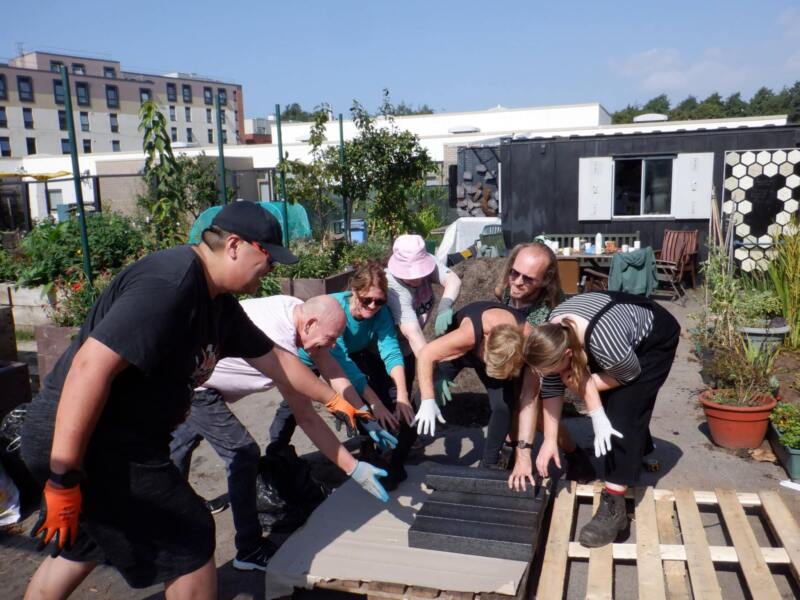
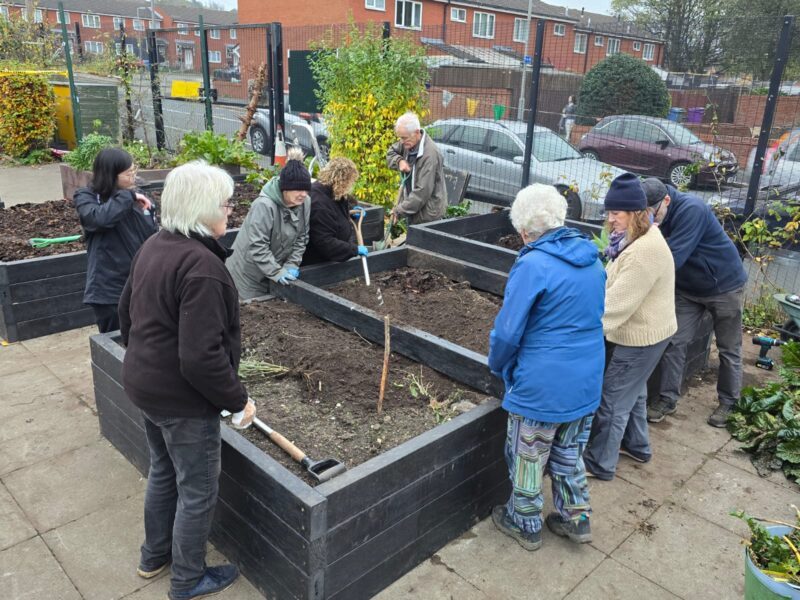
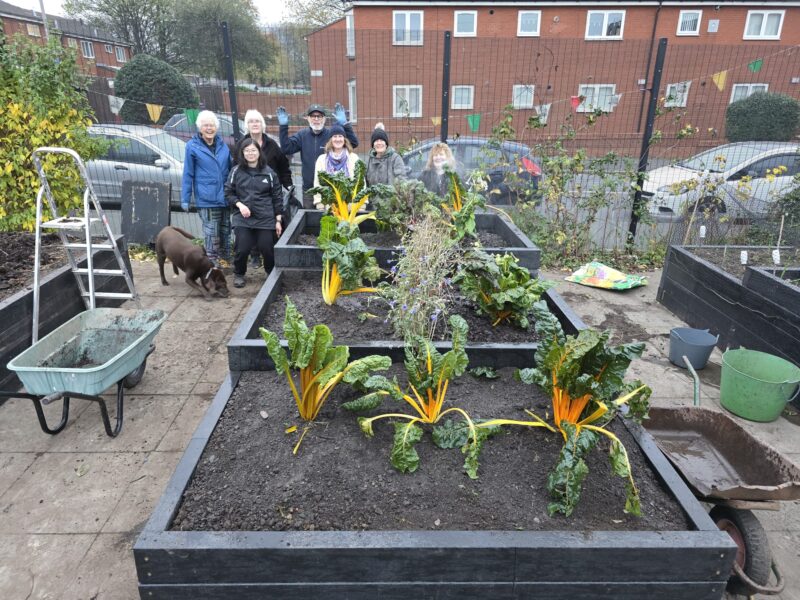
Between 2003 and 2004, Hundreds of local volunteers contributed over 3000 hours of volunteer time to meet twice a week and transform the gardens. The team began by researching materials, fundraising, and planning meticulously. The project was funded through a combination of 5 grants from organisations like the ASDA Foundation, the Skelton Bounty, LCC Liverpool Neighbours Fund and Cargill, as well as the group’s own resources.
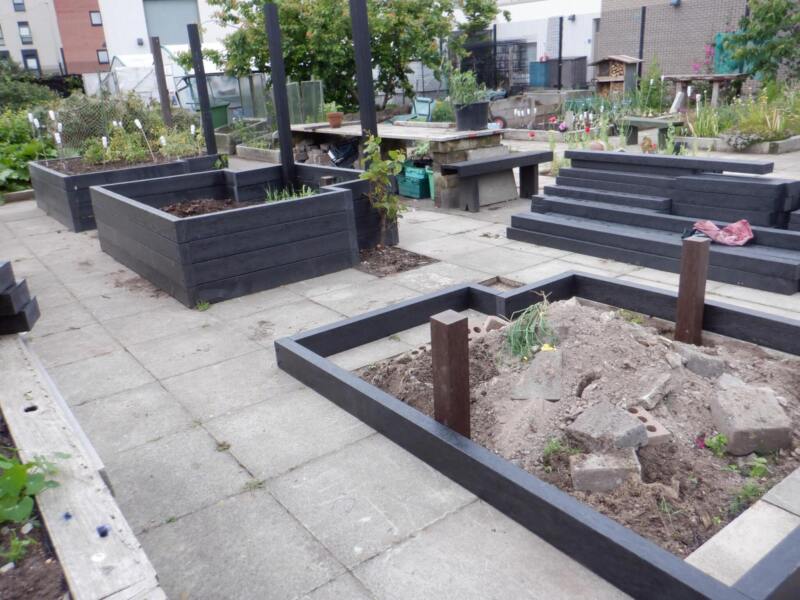
The group transformed the space by replacing the 20 rotten raised bed kits and rebuilding a pergola with sustainable recycled plastic lumber from British Recycled Plastic. Chosen for its exceptional durability and resistance to rot and weather, this low-maintenance material guarantees the new beds and structure will support the community for generations to come.
The volunteers didn’t just rebuild structures—they built skills and confidence. Many learned DIY techniques for the first time, learned how to use a range of power tools and problem-solved the project together. Local group Good Gym added to the effort, working in the evenings with head torches to help dismantle old beds and move tonnes of soil.
John Hutchison, a Founding Member of Everton Community Gardens, said:
“We have all learned new skills, become closer working colleagues through this, enjoyed the design and consultation process and are pleased and proud with the results.”
Built to Last: The Long-Term Impact of Everton’s Sustainable Solutions
The transformation is remarkable. The newly built plastic raised garden beds and pergola, crafted from durable black recycled plastic lumber, will last for decades—offering a sustainable, low-maintenance alternative to traditional wood. Unlike timber, British Recycled Plastics artificial lumber won’t rot, splinter, or require ongoing upkeep, making it an ideal choice for this outdoor project.
By embracing this innovative material, Everton Community Gardens has not only ensured a long-lasting solution but also taken a meaningful step in reducing waste and championing sustainability
Jason Elliott, Managing Director of British Recycled Plastic, said:
“We’re always delighted to support community groups with their funding applications, and seeing the success of this project has been heart warming. Knowing our materials will benefit the Everton community for generations to come highlights the true impact of our sustainable products.”
Why Choose British Recycled Plastic Wood?
- 25-Year Guarantee on all Lumber and Products
- Maintenance-Free
- Resistant to Rot, Algae & Parasites
- Quick-Drying Surface
- Effortless Cleaning & Disinfection
- UV Resistant & Fade-Proof
For more information, check out our ‘Wood Vs Recycled Plastic’ blog or view our Artificial Lumber Page.
Any questions? Our expert and friendly Customer Service Team are available 5 days a week.
- Phone: 01422 419 555
- Email: [email protected]
Written by the British Recycled Plastic team.
Updated May 2026
Recycled plastic lumber is a long-lasting, low-maintenance alternative to traditional timber, manufactured from 100% recycled plastic materials. Designed for durability, it resists rot, moisture, insects, and weather damage, making it ideal for outdoor uses such as decking, fencing, garden furniture, and landscaping structures. Unlike wood, recycled plastic lumber does not require painting, staining, or ongoing treatment, reducing both maintenance costs and labour over time.
As a sustainable building material, British Recycled Plastic’s goal is to help divert waste from landfills and support a circular economy, transforming used plastics into high-performance construction products. It offers the natural appearance of wood while delivering superior longevity, making it a practical and environmentally responsible choice for residential, commercial, and public space projects.
The best fixings for plastic lumber, and the only fixings we recommend at British Recycled Plastic, are stainless steel bolts and screws. Whether that’s for boardwalks, platforms or anything else. Nails, staples and other fixings won’t bite into the material, correcting and will quickly need replacing.
We advise against burying a screwing plastic lumber directly because stainless steel screws are relatively soft for the extremely dense plastic. Driving a screw straight in without a pilot hole could cause the screw to strip, snap or bind too tightly, making it difficult to remove later down the line. A simple pilot hole removes this risk, making installation far easier.
How To Properly Size A Pilot Hole
When you drill plastic lumber, the pilot hole should match the diameter of the screw shank – not the thread. This ensures the screw goes in smoothly without excessive force and provides a clean and consistent result every time.
You can find out more detailed information on cutting, drilling and screwing plastic lumber in our British Recycled Plastic guide.
Yes, British Recycled Plastic can cut your material to your specified sizes for a small charge (see price list).
Recycled Plastic and Composite materials typically combine different elements, like wood fibres and plastics, for enhanced strength and durability. However, due to their composition, composites can’t be easily recycled. On the other hand, recycled plastic, like that from British Recycled Plastic, originates solely from reused plastic, making it fully recyclable and a more sustainable choice. It lasts longer, offers eco-friendly benefits, and can be continually recycled, minimizing environmental impact. Choose British Recycled Plastic for durable, sustainable solutions that make a lasting difference.
British Recycled Plastic is made from 100% uk plastic waste.
Our recycled plastic is made with a wide variety of plastic waste products from industrial, commercial, agricultural and domestic sources. These materials are shredded, melted and mixed together to create our incredibly strong plastic lumber.
The most common plastic types used are High Density Polyethylene, Low Density Polyethylene, Polypropylene and Polythene. These are all members of the Polyolefin family, so mix well together at the same temperature.
These materials form 99% of the content. They are mixed with 1% masterbatch, for colour control, which is also made from entirely recycled material.
Recycled plastic lumber is a sustainable alternative to timber is is typically just as strong, if not stronger than wood. It is widely used in applications where timber would traditionally be used however, due to its dense, non-porous composition, it is longer-lasting and low maintenance. Unlike wood, British Recycled Plastic lumber won’t rot, splinter, split or warp.
British Recycled Plastic provides plastic lumber to a wide variety of businesses. Plastic lumber is used in landscaping and construction applications, including raised beds, retaining structures, outdoor seating, edging, and decking substructures. It provides a durable alternative to timber, particularly in ground-contact or wet environments.
British Recycled Plastic lumber can be cut and drilled like hardwood, but please be aware that this means you will go through blades and drill bits more quickly than if you were working with treated pine.