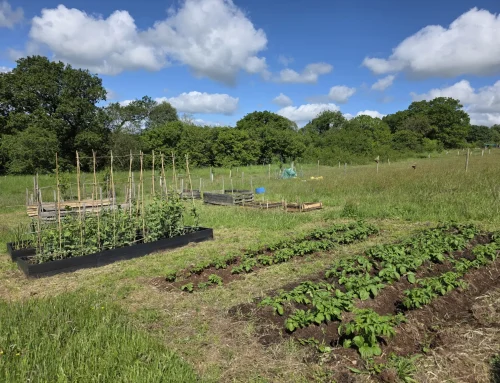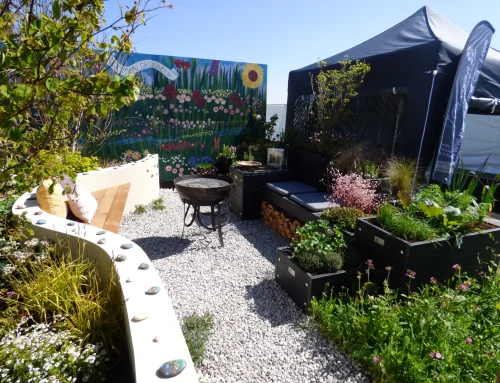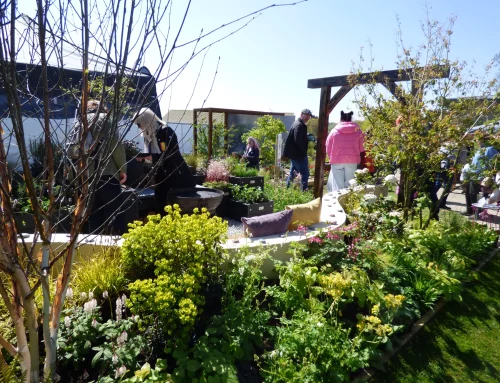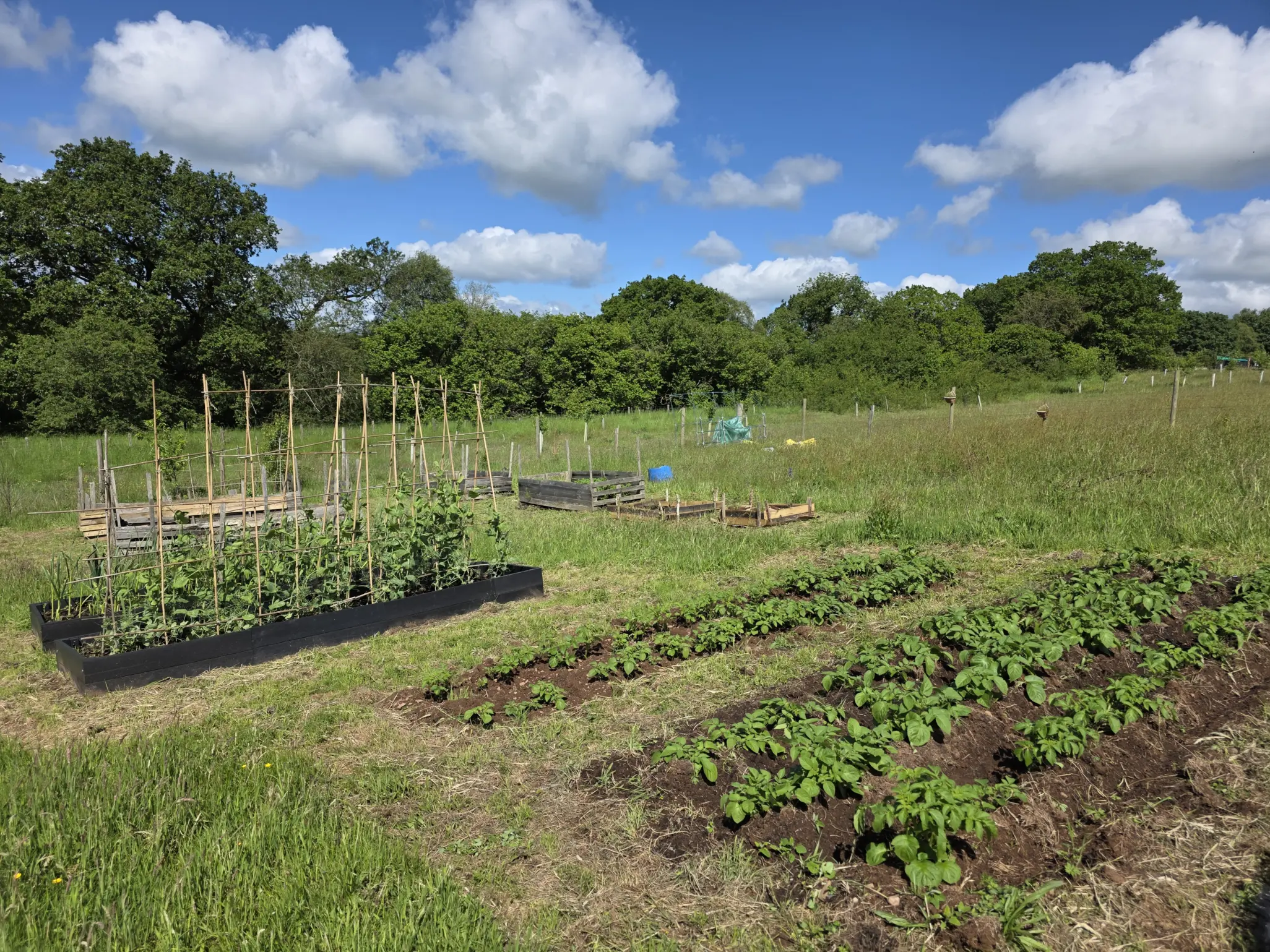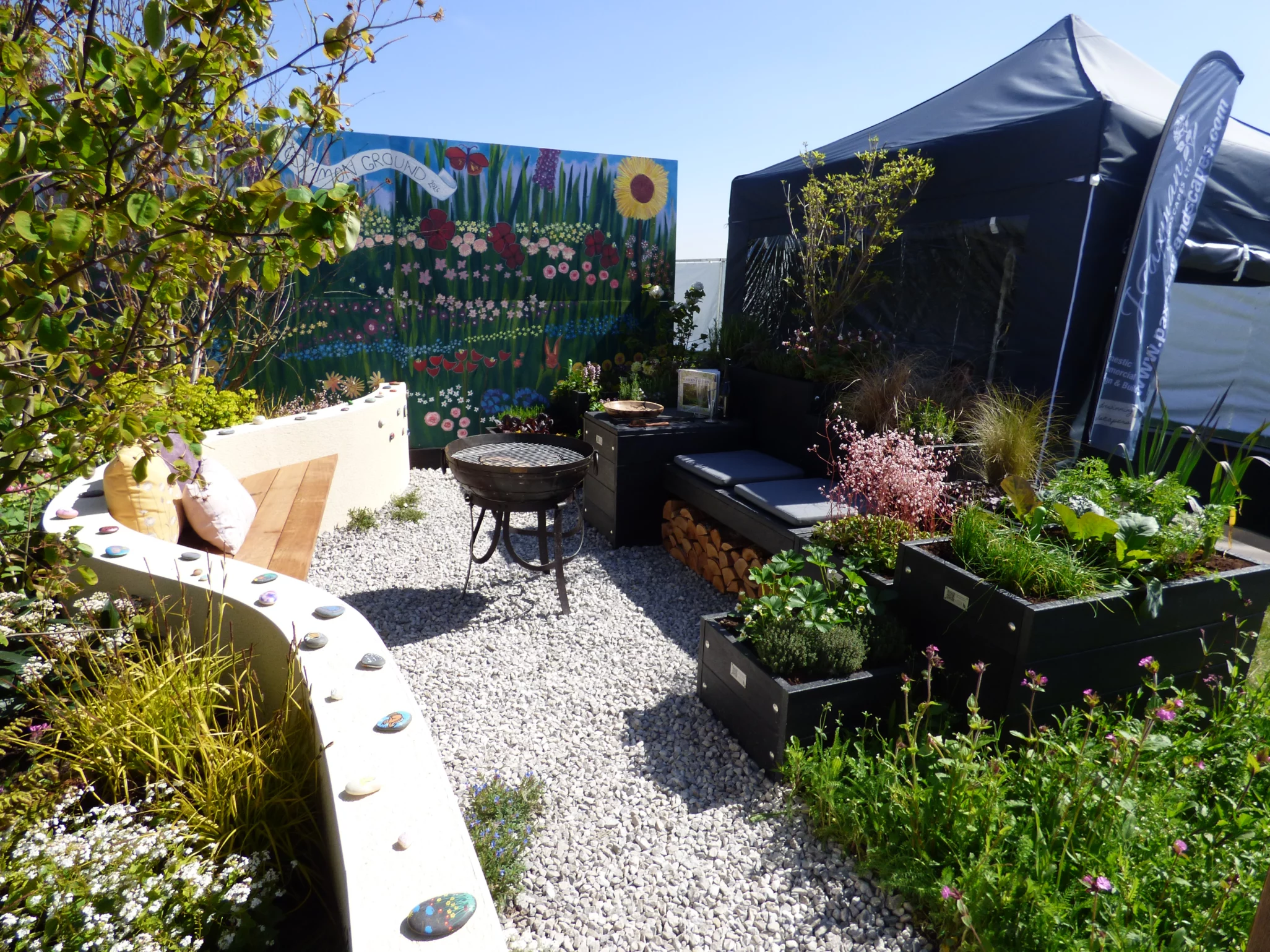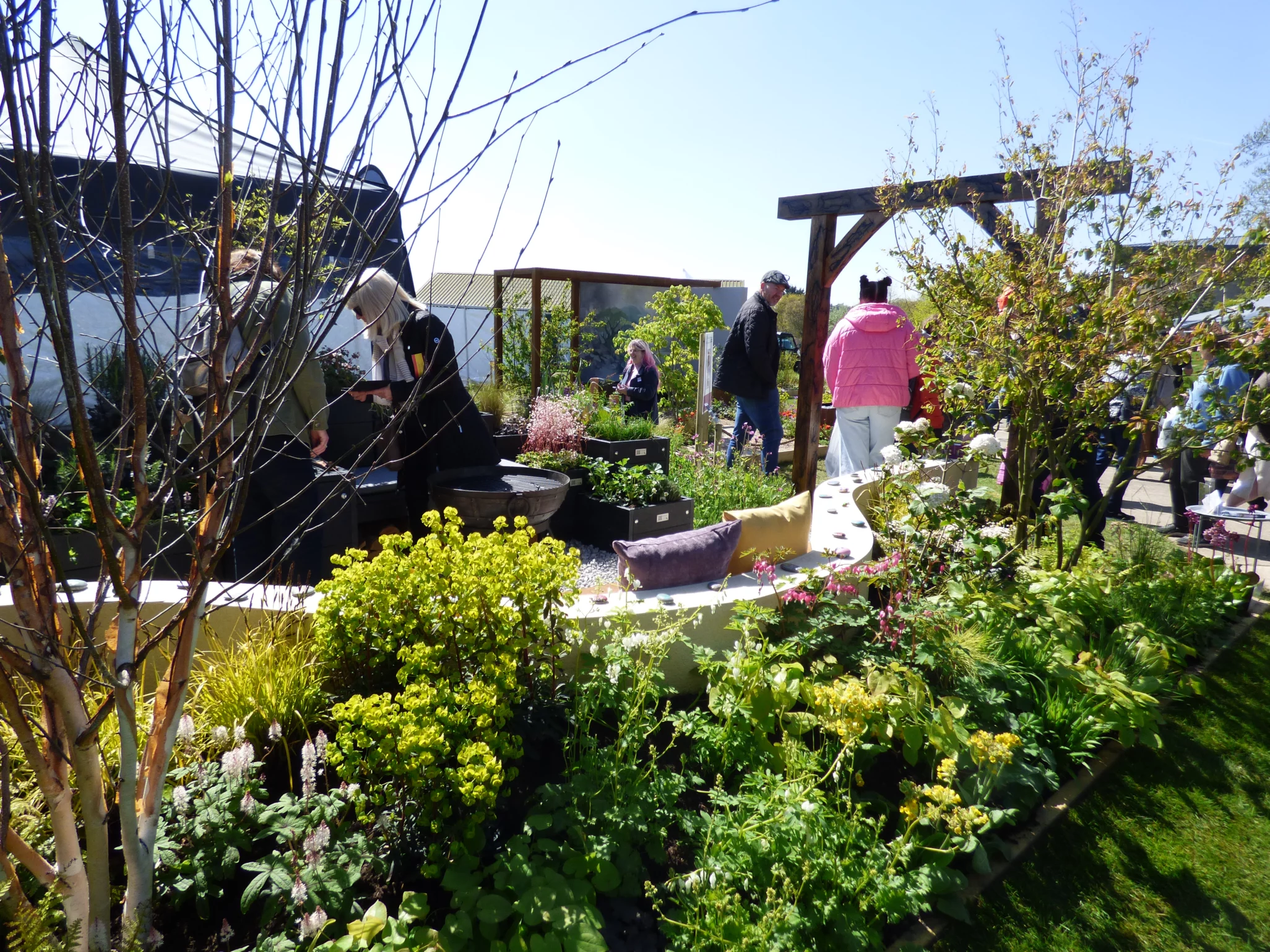

Getting started with growing your own vegetables can feel overwhelming, but Huw Richards simplifies the process with his “one bed” approach. Using recycled plastic raised beds, gardeners can grow a continuous supply of organic produce in a small space with minimal maintenance. Durable, safe, and sustainable, these raised beds offer a long-term solution for beginners looking to grow more with less effort.
- Veg in One Bed by Huw Richards shows how to grow food year-round in a small space
- Raised beds improve soil control, drainage, and reduce weeds
- Recycled plastic beds are rot-proof, splinter-free, and chemical-free
- Supports eco-friendly gardening and circular economy practices
Want to get into growing your own veg but don’t know where to start? You’re not alone. Many first-time grows feel overwhelmed by the options available, or feel restricted by limited space.
Organic gardener, grower and YouTube, Huw Richards, offers a practical approach to growing food which has helped thousands of people to get started. And using recycled plastic raised beds is one of his top recommendations.
“Recycled plastic is perfect for raised beds because it doesn’t leach chemicals into the ground and it can last up to a century or more.” – Huw Richards
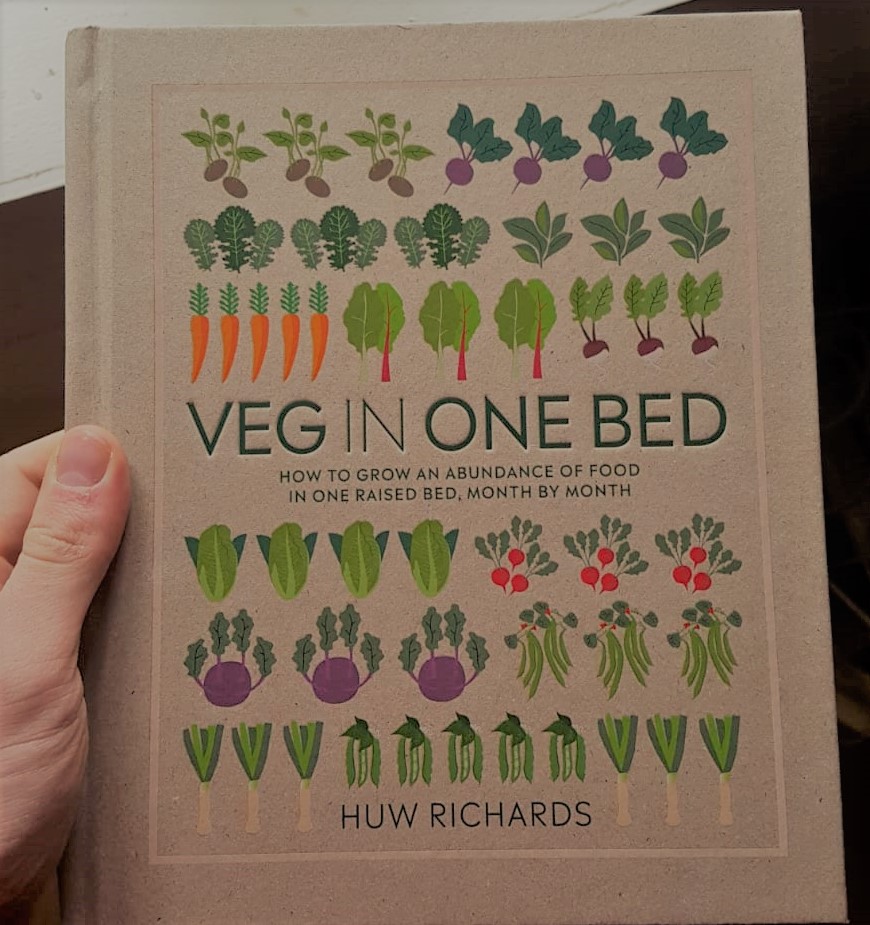
‘Veg in One Bed’ – First Edition
His first bestselling book, Veg in One Bed, Huw provides step-by-step instructions for how to grow vegetables organically, abundantly and inexpensively in a small space. With his system, you can grow a continuous supply of organic vegetables in a single recycled plastic raised beds.
With fifteen years of growing his own veg along organic and permaculture lines, Huw is keen to inspire other growers who want to move on from growing in containers and embark on allotment-style gardening.
The book highlights how to grow seasonally and rotate crops efficiently all while maximising space with smart planting. It’s a perfect beginner-friendly system that’s suitable for small gardens, urban spaces and anyone looking for a low-effort way to grow more food.
By keeping things simple and using a single raised bed, you can avoid the overwhelm that often comes with starting a larger garden space.
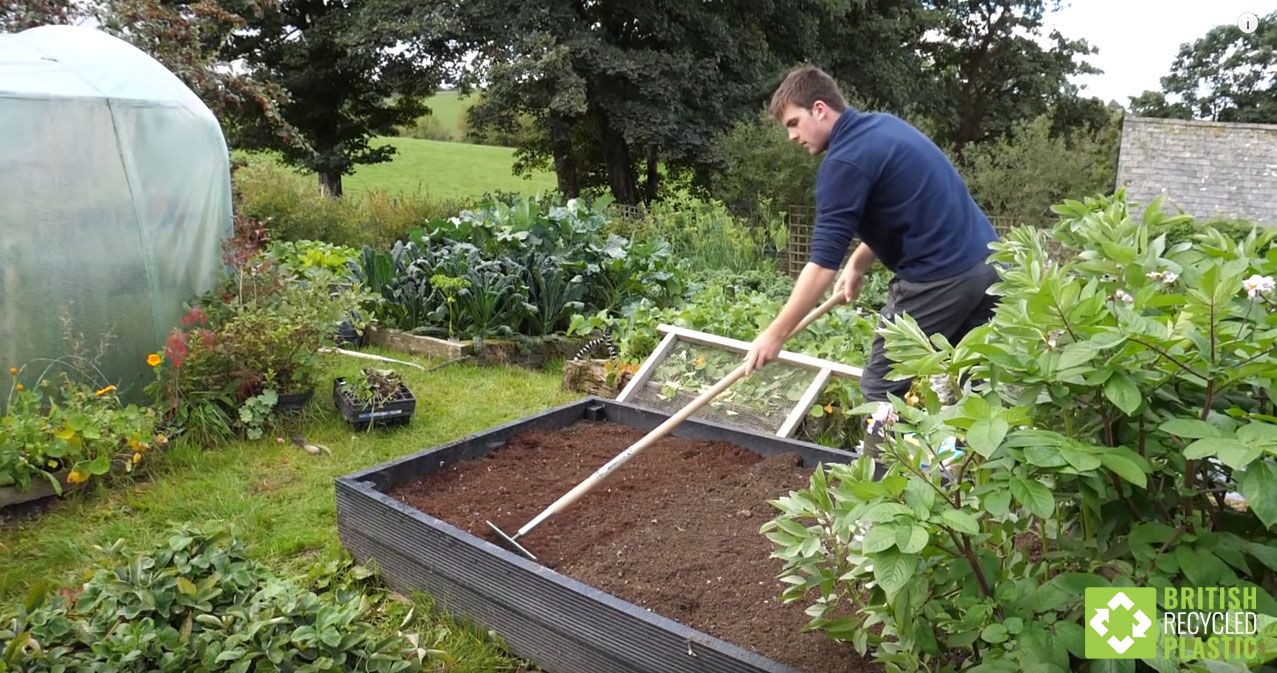
Why Raised Beds Make Growing Easier
Growing in raised beds makes things easier by removing common barriers. They provide better control over soil quality, improved drainage and fewer weeds.
Situated higher than the ground, they offer easier access with less ground work, bending and digging. They also offer a fairly forgiving growing space for beginners.
With sustainability always in mind, Huw Richards came to us as the leading supplier of raised beds made from 100% British recycled plastic.
Recycled plastic raised beds are designed to outperform timber year after year. They’re rot-proof and splinter-free, UV stable and there’s no chemical leaching. With no additional paints, treatments and preservatives needed, our raised beds kits are totally safe for growing food and give you better control over what your plants are exposed to.
Our low-maintenance raised beds and plastic lumber wipes clean, keeping your garden looking fresh and neat year after year. They’re designed to last, are easy to assemble, adjust or relocate around the garden.
Unlike wooden beds that may need replacing every few years, recycled plastic raised beds are a long-term investment that allows you to leave your plants happy and undisturbed.
Learn With Huw’s Nursery
You’ll also find tons of content on position and fill the bed, and how to prepare the space for planting.
For Huw, sustainability isn’t an add-on — it’s built into the process. By choosing raised beds made from 100% recycled UK plastic, you’re not only growing your own food but also reducing waste, supporting the circular economy and building a garden that lasts.
It’s a practical way to align your growing space with long-term environmental thinking.
Written by the British Recycled Plastics team.
Recycled plastic works like wood in most scenarios, but how you work with the material differs and factors such as thermal expansion need to be considered. Its crucial that you follow our technical Guidance on our Lumber Page.
For example, we would never recommend stapling, nailing or welding plastic lumber. At British Recycled Plastic, we always suggest pre-drilling holes and using mechanical fixings.
All of British Recycled Plastic products are made to order so under normal circumstances please allow up to three weeks for delivery. On rare occasions at extremely busy times delivery may take a little longer, but we will let you know when you order if this looks likely.
Delivery to most of mainland Britain is included, however there is a small additional charge for the Highlands, Islands and Northern Ireland, depending upon your postcode. Please contact us for specific prices in you are in one of these areas.
Due to the very heavy weight of these and all of our other products, they are sent out strapped to pallets through the national road haulage network. Due to the kit form, even 3.5 metre long raised beds are stacked on individual pallets making them suitable for relatively small delivery vehicles that can in turn access narrow lanes.
No, they are only available direct from us. Please email your enquiries to [email protected] or call us on our freephone number of 01422 419 555 and let our expert team know what you’re interested in and where you are. We are available 5 days a week.
Do I need to buy a kit or can I make my own by just buying the lumber and fixing it together myself?
You can do either. If you have specific dimensions you wish to fill, you may prefer to buy full lengths and cut them to your exact requirements, saving a little money in the process. If you want something easy to assemble, pre-cut and with fixings supplied, a flat-packed kit is probably best for you.
Not at all.
One of the most common questions we’re asked is about leaching — especially when people are growing food. It’s a fair concern. If we care about soil health, we need confidence in the materials that surround it.
Independent laboratory testing under EU soil and groundwater regulations assessed the material for heavy metals, PAHs, PCBs and mineral oil hydrocarbons. The results were either extremely low or below detectable levels, all comfortably within strict environmental limits, including standards applied to soils used on children’s playgrounds
What this reinforces for us is that when flexible plastic waste is transformed into a dense, rigid, long-life structure, its environmental behaviour changes. It is no longer subject to constant abrasion or movement. Instead, it becomes stable infrastructure designed to remain in place for decades — keeping existing material safely in circulation rather than allowing it to fragment or be discarded elsewhere.
The recycled plastic acts as a thermal store, retaining heat and allowing for earlier germination.
Raised beds made from recycled plastic will last for many decades, maybe even 100 years, but ours come with a 25-year guarantee.
Recycled plastic lumber should always be stored laid flat on delivery, until you start work on it. It’s best to just leave everything on the pallet.