Recycled plastic vs composite picnic tables offer a superior alternative to wood and composite, delivering long-term durability with zero maintenance. Unlike wood, they won’t rot or splinter, and unlike composite, they don’t warp or fade. Made from recycled materials and fully recyclable at end of life, they provide a sustainable, cost-effective solution ideal for schools, parks, and public spaces.
Table of Contents
- Wood fails outdoors: It rots, splinters, warps, and needs constant maintenance
- Composite isn’t perfect: It can still fade, warp, grow mould, and is hard to recycle
- Recycled plastic is the best durability and long-term outdoor use.
- Recycled plastic requires no painting, sealing, or repairs
- They’re sustainably made from recycled waste and are recyclable again
- Ideal for commercial use in schools, parks, councils, hospitality, and healthcare
Choosing the best material for picnic tables is essential for ensuring long-term durability, minimal maintenance, and a strong return on investment. While wooden and composite picnic tables are widely used, both materials have limitations when exposed to outdoor conditions. Recycled plastic picnic tables are increasingly recognised as the most durable and maintenance-free alternative to composite, making them ideal for schools, parks, councils and hospitality.
The Problem With Wooden Picnic Tables
Wood has traditionally been the most common material for picnic tables due to its availability and familiar appearance. However, wood is highly vulnerable to outdoor weather conditions.
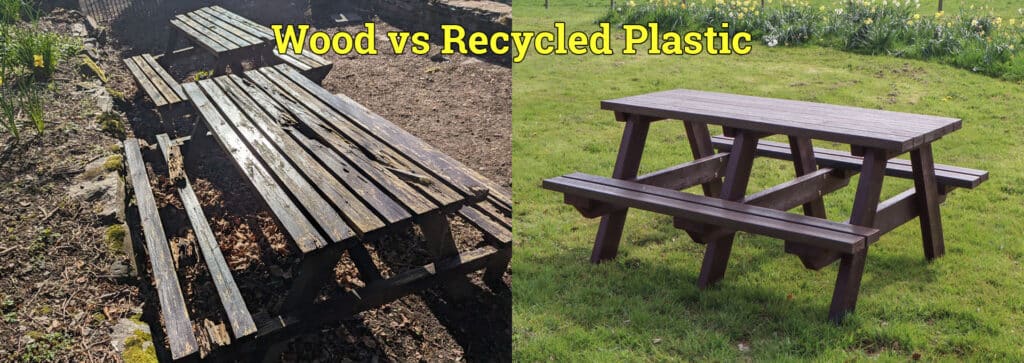
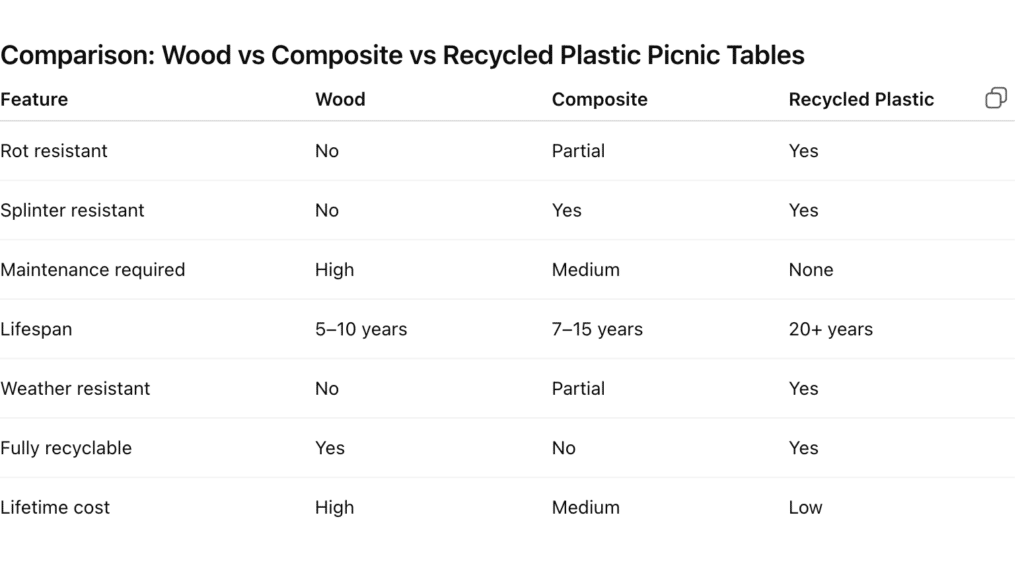
Over time, wooden picnic tables will rot, splinter and warp through heat and continuous moisture – creating safety risks for those using them. Mould and mildew are prone to developing on the surface too, leaving these once-fresh tables looking weathered and worn. All these issues also lead the tables to become structurally weak, and there begins the cycle of repair and replacement so common in outdoor timber furniture.
To slow this deterioration, wooden tables require ongoing maintenance such as painting, staining, or sealing. This creates additional cost, labour, and disruption over the lifespan of the furniture.
In commercial settings like schools, parks, and public spaces, these maintenance requirements can make wooden picnic tables a costly, inefficient option.
The negative environmental impact of wooden tables is also a valid drawback to consider. The use of natural wood contributes to deforestation and places pressure on forest ecosystems. According to the World Wildlife Fund, deforestation remains one of the most pressing environmental challenges of our time, with forests being cleared at an alarming rate. This can raise environmental concerns, especially if the wood is sourced from unsustainable forestry practices.
What Are Composite Picnic Tables Made From?
In the effort to mitigate some of the maintenance issues associated with the wooden tables, ‘composite’ picnic tables have become increasingly popular.
Stemming from the original term ‘WPC’ or ‘Wood-Plastic Composite’, this hybrid material combines wood particles with plastic polymers (such as polyethylene, polypropylene or PVC). To an extent, composite picnic tables mitigate rotting and splintering, but they come with their own set of drawbacks.
The Problem With Composite Picnic Tables
Composite materials can be sensitive to high temperatures, and with prolonged exposure to direct sunlight, the surface will fade and warp. Mould and mildew growth is still possible in humid and wet environments, so the composite isn’t the perfect solution it set out to be. And, due to the complexity of the material, these composite designs are difficult to repair, often meaning a full replacement is required.
Composite materials also present environmental challenges. Because they combine wood and plastic, they are typically difficult to recycle. Many composite picnic tables are manufactured overseas, increasing their overall carbon footprint.

The Benefits of Recycled Plastic vs Composite Picnic Tables
Recycled plastic picnic tables offer a superior alternative to both wood and composite materials. Made entirely from recycled plastic, they provide exceptional durability without the weaknesses associated with wood-based products.
No Rotting, Splintering or Warping
Unlike wood or composite, our recycled plastic tables won’t rot, splinter, or warp because they don’t absorb moisture. They require no painting or sealing, and maintenance is as simple as a quick wipe down with soapy water. This makes them ideal for year-round outdoor use in all weather conditions.
Structurally Sound
Recycled plastic is chemically inert, meaning it remains stable and structurally sound for decades. This provides a reliable, long-term solution for organisations seeking low-maintenance outdoor furniture.
Zero Maintenance
One of the most significant advantages of recycled plastic picnic tables over wood and composite is their maintenance-free performance.
Wood and composite tables require ongoing upkeep and eventual replacement. In contrast, recycled plastic tables require no treatment, sealing, or repair. This dramatically reduces the lifetime cost of ownership.
Mould and mildew won’t grow on recycled plastic either. So the only upkeep you’ll need is a quick wipe down to be rid of dust and dirt.
Designed To Last
We’re so sure of our recycled plastic tables that we provide a 25-year guarantee and a take-back scheme when they’re no longer of use.
The Sustainable Choice
Recycled plastic picnic tables also provide important sustainability advantages.
By using recycled plastic waste, our tables help reduce landfill and give long-lasting purpose to materials that would otherwise remain in the waste stream.
British Recycled Plastic picnic tables are manufactured in the UK using renewable energy, reducing transportation emissions and supporting local manufacturing.
Unlike composite materials, recycled plastic can also be recycled again at the end of its life.
Customisable Design & Colour
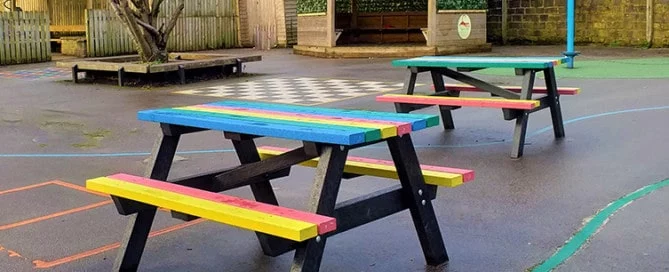
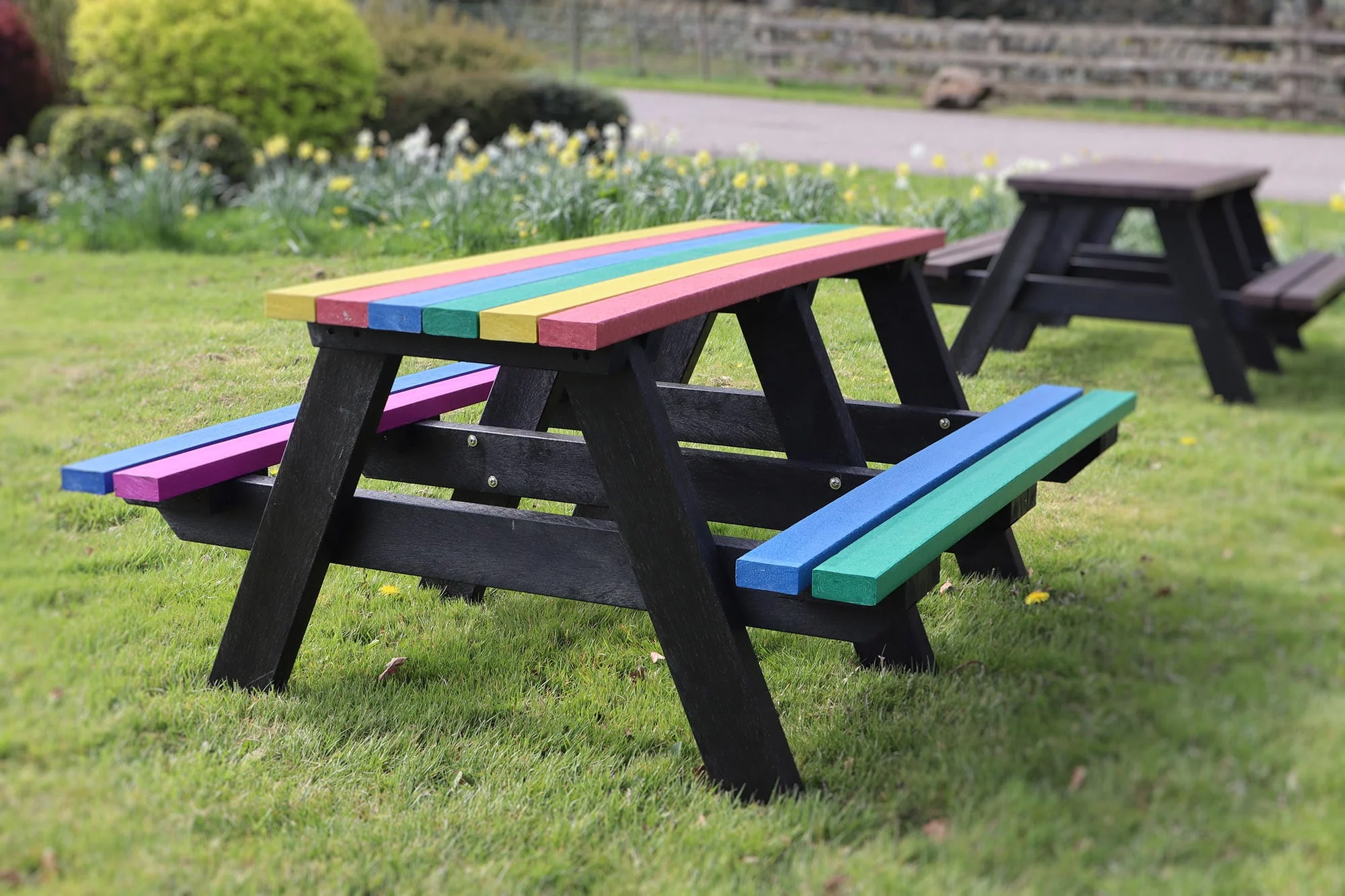
Recycled plastic picnic tables are available in a wide range of colours and finishes, offering greater design flexibility than wood or composite. Unlike composite, which attempts to replicate wood, recycled plastic provides a consistent appearance and long-term colour stability without fading or deterioration.
Recycled Plastic Tables For Commercial Use
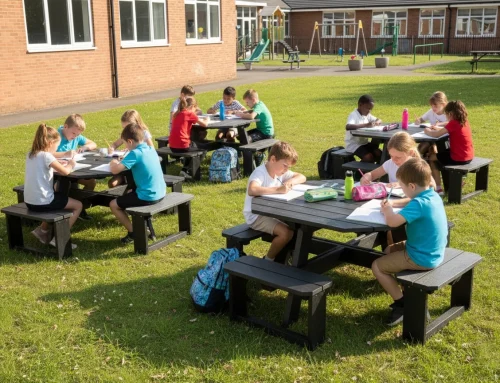
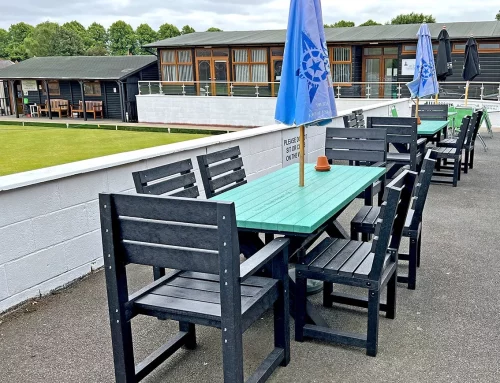
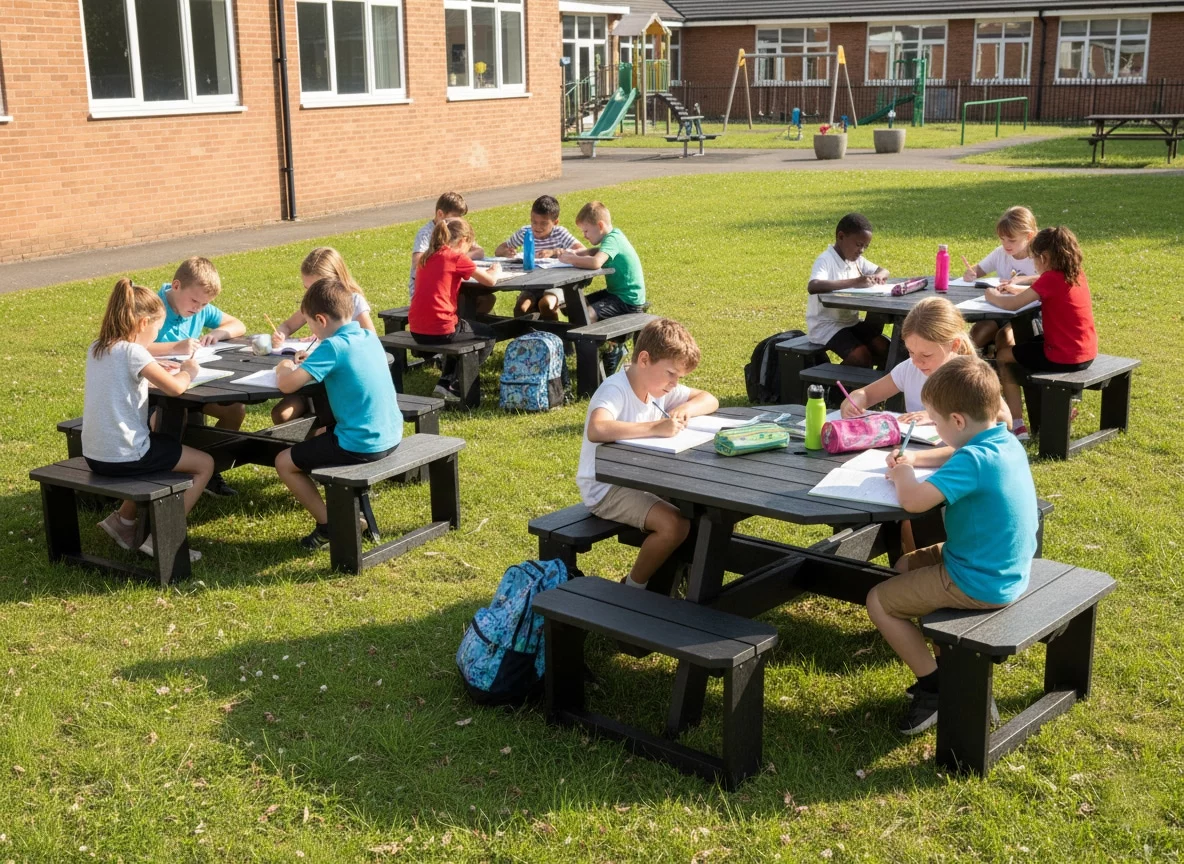
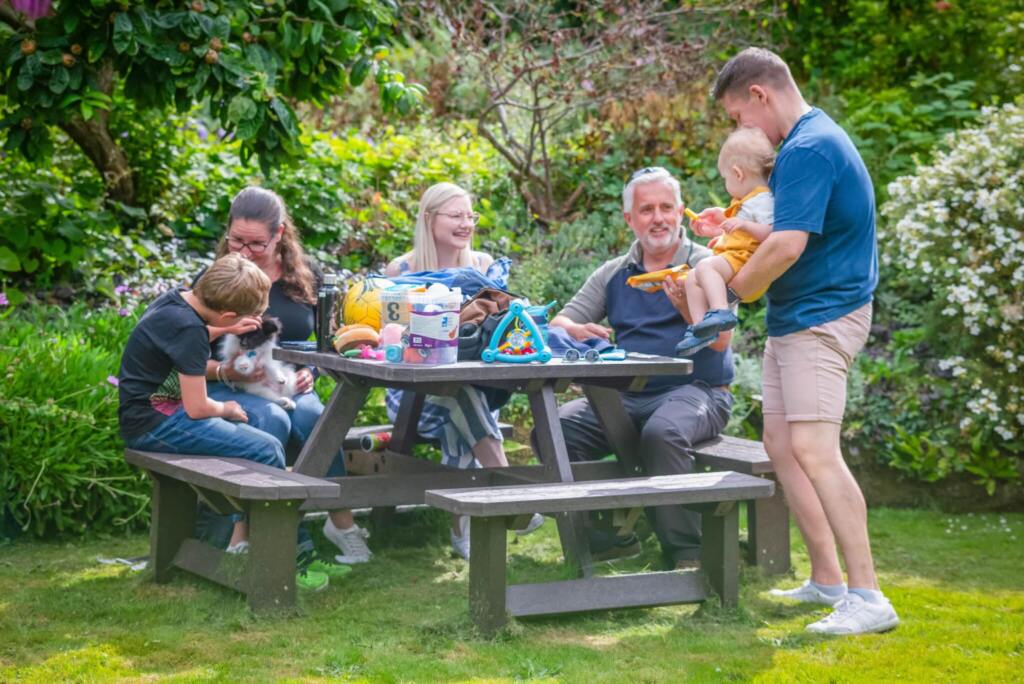
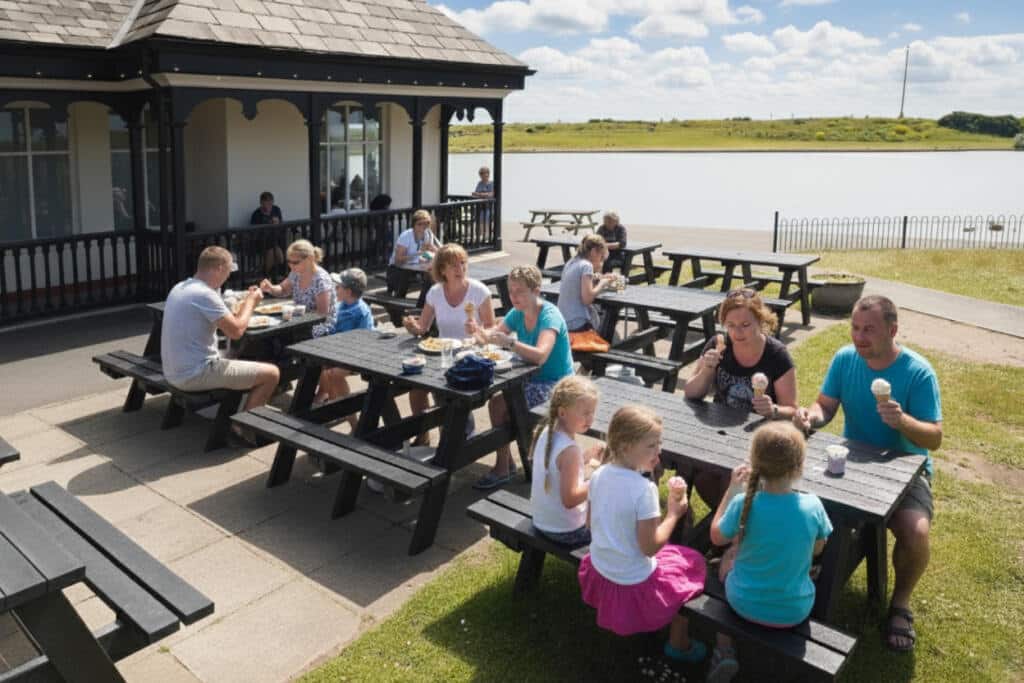
While our recycled plastic picnic tables are perfect for at-home use, they’re also incredibly durable for commercial use. Our tables are used in schools, playgrounds and public spaces as well as beer gardens, healthcare facilities nad even workplace breakout areas.
Their durability, safety, and low maintenance requirements make them ideal for organisations seeking reliable long-term outdoor seating.
Ready To Make The Right Choice?
While composite picnic tables offer some improvements over wood, they still deteriorate over time and often require replacement. Recycled plastic picnic tables provide a superior long-term solution, combining exceptional durability with zero maintenance.
For organisations looking to invest in reliable, sustainable outdoor furniture, recycled plastic picnic tables offer the best performance, lowest lifetime cost, and greatest long-term value.
You can find out more information over on our Picnic Tables catalogue, or speak to our friendly customer team on info@britishrecycledplastic.co.uk or 01422 419 555.
Written by the British Recycled Plastic team.
Updated May 2026
Keeping your British Recycled Plastic picnic tables in top condition is simple and requires minimal effort. You can give them a wipe down with a damp cloth every now and then. Some owners give their picnic benches an annual blast with a jet wash, particularly if they are under trees where sap can get on them.
Building a plastic picnic table can be an enjoyable and rewarding project, especially when using sustainable materials like British Recycled Plastic artificial lumber/ plastic wood. Our Lumber is Maintenance-free with a 25 year guarantee. It will not rot, split or splinter and can be worked like wood. We have a wide range of recycled plastic rectangular lumber, square lumber, lumber planks and decking lumber below. Please See our artificial lumber page for more information.
Painting a British Recycled plastic picnic table is not recommended or indeed needed. Unlike wooden picnic benches, recycled plastic picnic tables are designed to be low-maintenance and retain their colour without the need for painting or staining.
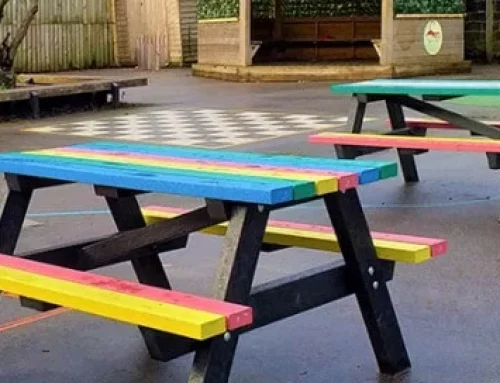
One of the many benefits of outdoor picnic benches made from recycled plastic is their long-lasting, fade-resistant colour. These tables are available in a variety of colours (even rainbow!) to suit any outdoor space, so there’s no need for additional painting. Opting for recycled plastic picnic tables ensures you get a durable, weather-resistant, and eco-friendly product that looks great for years with minimal effort.
For a vibrant, long-lasting, value added alternative to traditional options, choose recycled plastic picnic tables over painted outdoor picnic tables.
Recycled plastic lumber should always be stored laid flat on delivery, until you start work on it.
In common with all of our products, all of our recycled plastic picnic benches are sent out via the national pallet network, strapped to standard 1000mm x 1200mm pallets. Most picnic benches go on two pallets and, if they are flat-packed, can be stacked five high on the same two pallets. If they are fully assembled then they can be stacked two high.
The delivery cost is included for mainland UK addresses, other than Highlands and Islands for which our hauliers charge a slight premium.
Yes, our picnic benches come with a hole for a parasol unless specified otherwise. If you don’t require a hole, let us know.
After a number of years experimenting with blends, we have found it very difficult to produce a consistent yellow plastic without introducing what, to us, is an unacceptable amount of virgin material into the mixture. This has led us switching to a bright lime colour, similar to that used on hi-viz jackets, as our alternative. So far, this has gone down very well with our customers.
We are not in a position to comment on the amounts of virgin plastic used by other companies in the production of their yellow. Perhaps you can ask them yourselves.
British Recycled Plastic picnic tables are either fully black, fully brown or with black or brown frames and seats and tops in any combination of blue, red, forest green, lilac, pink, orange, grey and bright lime.
British Recycled Plastic can unequivocally guarantee that our picnic tables will never rot. Not ever. They are chemically inert so there is absolutely no organic matter that can decay in anyway. We even give them a 25 year guarantee.
No, British Recycled Plastic picnic tables will never split or splinter in any way.